The 1913 White Hurricane: When Two Storms Collided to Devastate the Great Lakes
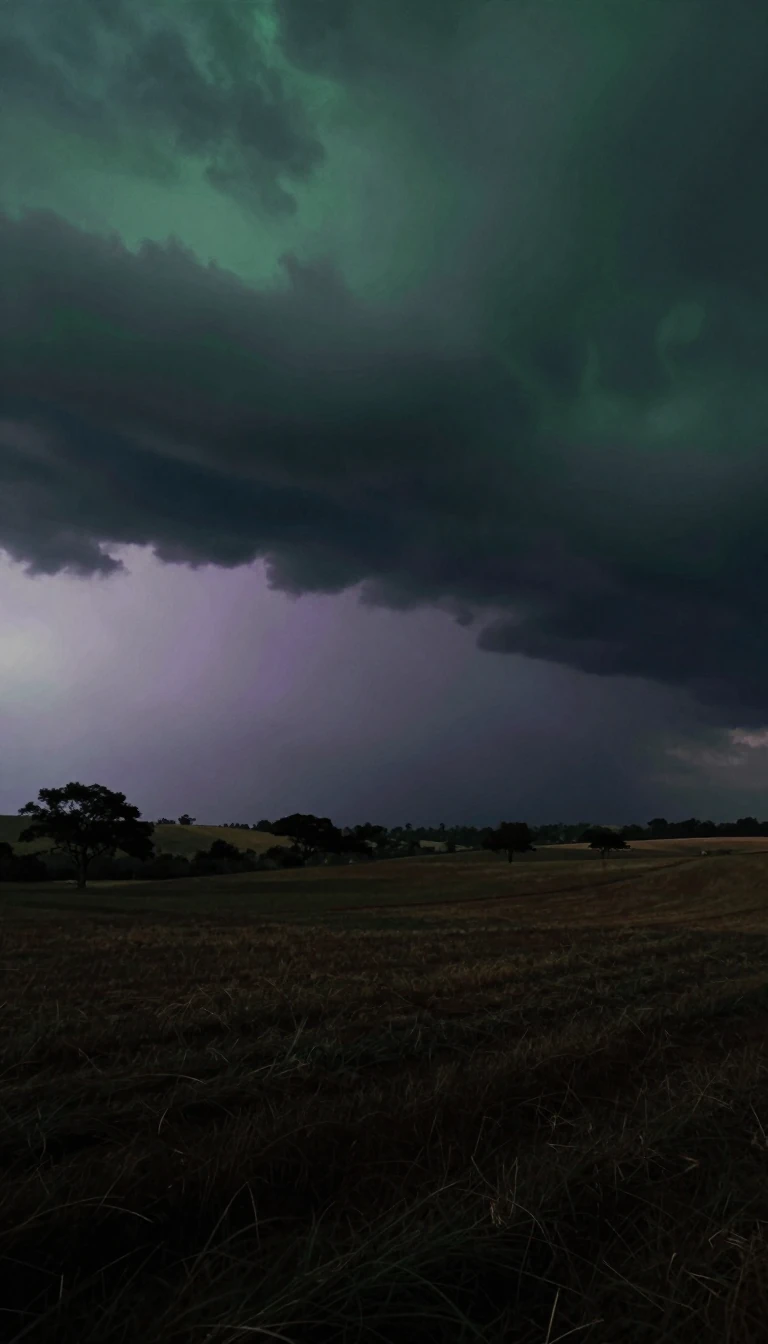
In short: In November 1913, a catastrophic weather event known as the White Hurricane paralyzed the Great Lakes region. Over four days, hurricane-force winds and massive waves destroyed 19 ships and claimed over 250 lives. It remains the deadliest and most destructive natural disaster in the history of the Great Lakes.
The disaster originated from a rare atmospheric phenomenon where two distinct storm systems converged. A cold, dry Alberta clipper from Canada met a warm, moist Colorado low from the Gulf of Mexico. As these fronts collided over the relatively warm waters of the Great Lakes, the lakes provided heat and moisture that intensified the cyclonic system. This process, often called a November gale, created a weather bomb that produced wind gusts reaching 90 mph and waves estimated at 35 to 50 feet high.
The impact was exacerbated by the limitations of the United States Weather Bureau at the time. Forecasters lacked the data, communication infrastructure, and understanding of atmospheric dynamics—specifically frontal mechanisms—to predict the storm's true intensity. Because surface observations were only collected twice daily, maps were often outdated by the time they were drawn. Consequently, many ship captains were caught unaware, and the Bureau failed to issue warnings that reflected the true severity of the conditions.
Beyond the weather, structural and operational factors contributed to the high death toll. Great Lakes vessels were designed to be slim and shallow to navigate locks, which reduced their stability. Many ships also featured straight-deck designs with vulnerable hatch covers and limited cargo compartmentalization, meaning a single flooded hold could sink a vessel. Furthermore, companies often pressured captains to sail during the dangerous November season. These systemic weaknesses, combined with the storm's ferocity, led to the loss of 19 ships and the stranding of 19 others, resulting in nearly $4.8 million in damages—equivalent to about $162 million in 2026.
Opens the Intellect+ feed with this card first. Swipe up for the next one.
Sources
- Summary by Intellect · source: Great Lakes Storm of 1913
- Also: Wikidata — Great Lakes Storm of 1913 · CC0
To cite this card, link to https://intellectplus.co.uk/app/places-great-lakes-storm-of-1913.
How we source, check and correct cards: Editorial standards.
General information, not professional advice. Spotted an error? Flag the card or see corrections and complaints.
Intellect Plus is a visual educational discovery platform for exploring fascinating facts and ideas. Brain Food, Not Brain Rot. What is Intellect Plus?
Related
More in Bodies of water · More in Countries & Cities · Latest · A–Z · All topics
