How a tropical hurricane transformed from a Caribbean disaster into a Canadian tragedy
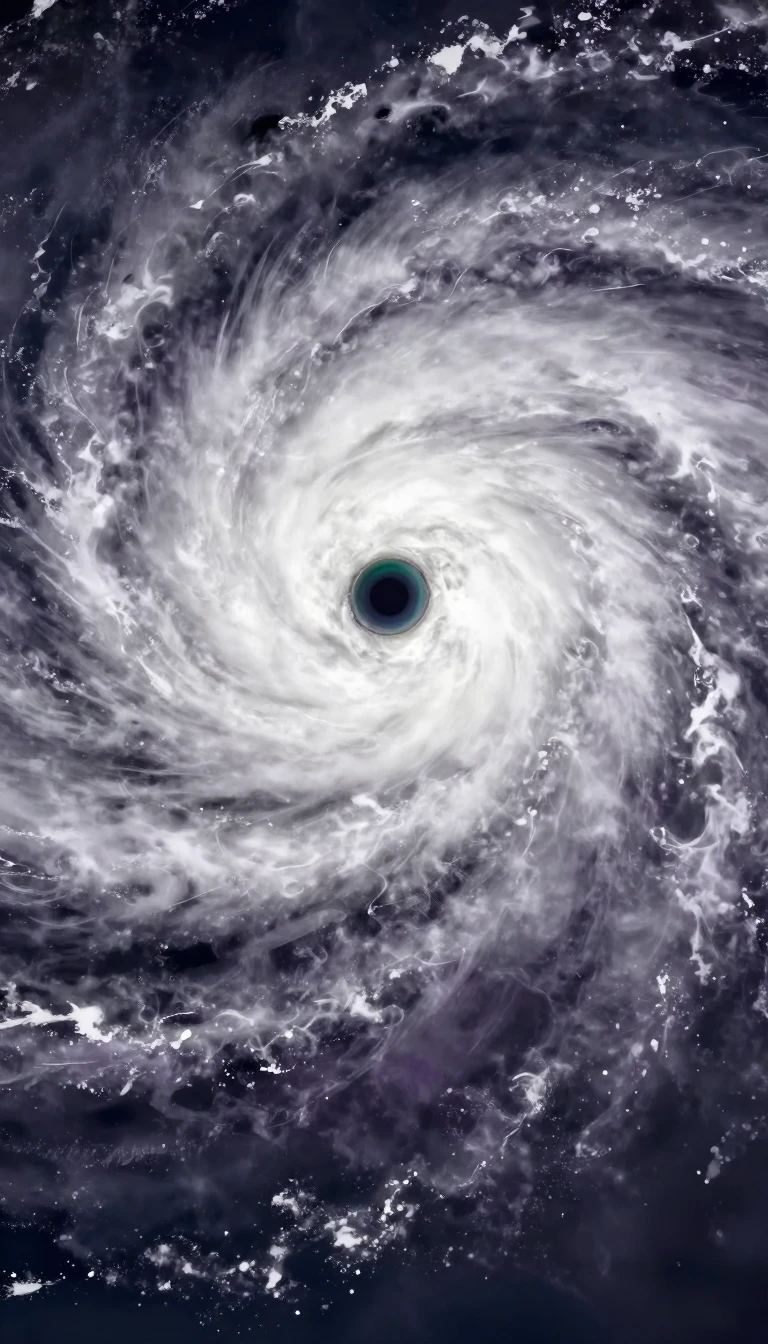
In short: Hurricane Hazel remains a singular event in meteorological history. After devastating Haiti and the Carolinas, the storm defied expectations by retaining hurricane-force power while traveling over 1,000 kilometers inland. It struck Toronto as an extratropical system, causing unprecedented flooding that permanently reshaped the city's landscape and emergency management policies.
Hurricane Hazel began as a tropical wave near Grenada on October 5, 1954. It intensified into a major hurricane, striking Haiti as a Category 3 storm on October 12. The impact was catastrophic; deforestation exacerbated flash flooding that swept entire villages into the sea. Estimates suggest up to 1,000 people died in Haiti, and 100,000 were left homeless. The storm then moved through the Bahamas and accelerated toward the United States, restrengthening over the Gulf Stream.
On October 15, Hazel made landfall near the North Carolina-South Carolina border as a Category 4 hurricane. The storm surge, coinciding with the year's highest lunar tide, annihilated waterfront infrastructure. In Long Beach, North Carolina, only five of 357 buildings remained standing. While the storm turned extratropical upon merging with a cold front, it maintained hurricane-strength winds as it tracked north through the eastern United States, causing widespread power outages and significant damage in states including Virginia, Pennsylvania, and New York.
The storm's final act in Toronto was arguably its most shocking. Because the region had experienced heavy rainfall in the preceding weeks, the ground was saturated. When Hazel stalled over the area, rivers like the Humber overflowed, rising by as much as 8 meters. The disaster claimed 81 lives in Canada—the highest death toll from a natural disaster in the country's history. The event was so transformative that it led to the creation of the Toronto and Region Conservation Authority and the conversion of vulnerable floodplains into public parkland, ensuring that residential areas like the former Raymore Drive would never again face such a catastrophe.
The legacy of Hazel persists in both policy and nomenclature. The storm's name was retired permanently in 1969, ensuring it would never be reused for an Atlantic hurricane. Its ability to retain power over land and its unusual track continue to serve as a case study for meteorologists analyzing how extratropical systems can maintain intensity through complex baroclinic interactions.
Opens the Intellect+ feed with this card first. Swipe up for the next one.
Sources
- Summary by Intellect · source: Hurricane Hazel
To cite this card, link to https://intellectplus.co.uk/app/nature-hurricane-hazel.
How we source, check and correct cards: Editorial standards.
General information, not professional advice. Spotted an error? Flag the card or see corrections and complaints.
Intellect Plus is a visual educational discovery platform for exploring fascinating facts and ideas. Brain Food, Not Brain Rot. What is Intellect Plus?
Related
More in Earth science · More in Nature · Latest · A–Z · All topics
