Why Australia's famous Blue Mountains are not actually mountains at all
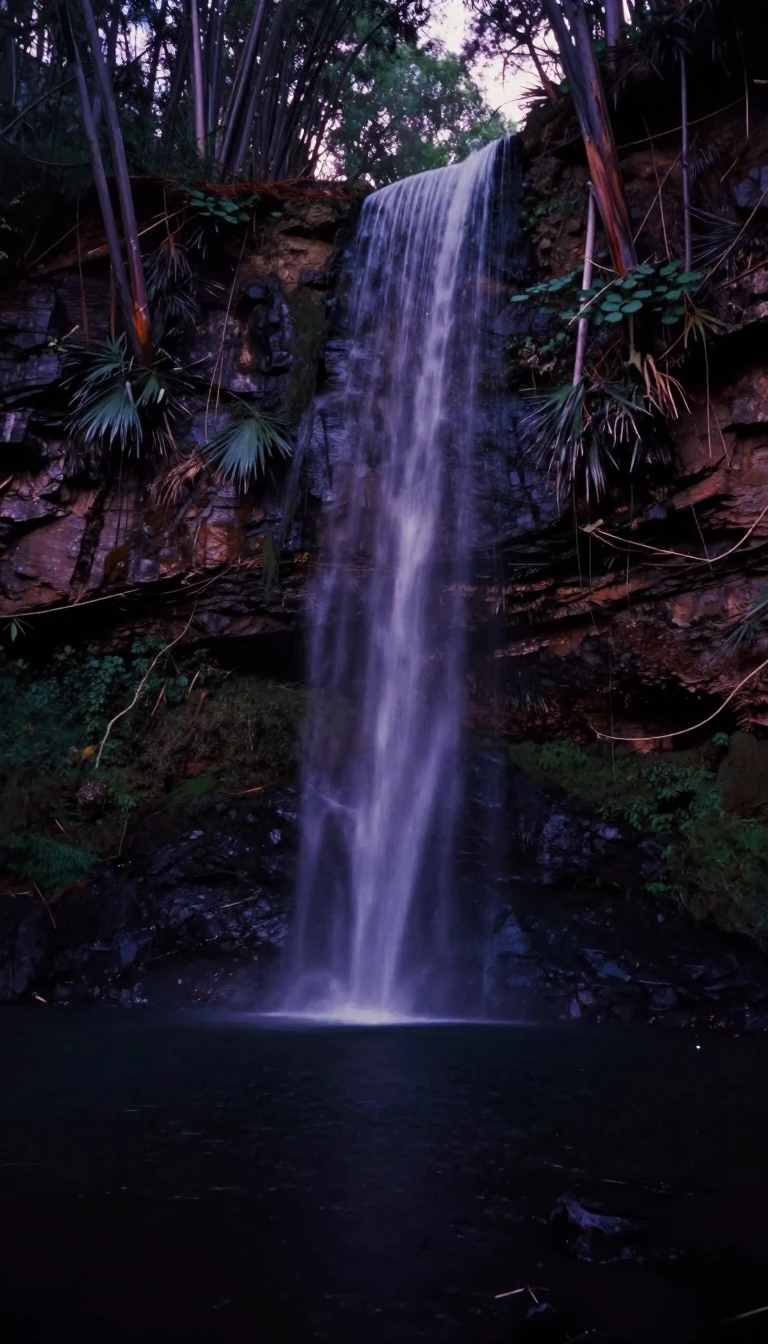
In short: The Greater Blue Mountains Area is a vast, rugged sandstone plateau that earns its name from a trick of the light. When eucalyptus oil vaporizes into the atmosphere, it scatters sunlight to create a signature blue haze. This World Heritage site is a sanctuary for ancient life and rare species.
Spanning over 10,000 square kilometres, this region in New South Wales is not a mountain range in the traditional sense. Instead, it is a deeply incised sandstone plateau that rises from near sea level to peaks of 1,300 metres. The area serves as a critical refuge for biodiversity, having protected various plant and animal lineages from significant climatic shifts throughout recent geological history. It is a mosaic of diverse habitats, ranging from lush rainforests in deep, hidden valleys to stunted shrublands on exposed tablelands.
The region is globally significant for its role as a natural laboratory for the evolution of eucalypts. It hosts 96 distinct species of eucalyptus, representing 13 percent of the global total. Among these, 41 species are restricted to specific environments, highlighting the area's role in supporting specialized flora. Beyond the eucalypts, the landscape shelters the Wollemi pine, a rare species once thought to have vanished millions of years ago. Discovered in 1994, these ancient trees persist in only three remote, inaccessible gorges, serving as a living link to the era of the dinosaurs.
Wildlife thrives across the plateau's rugged terrain, with more than 400 animal species calling it home. The ecosystem supports threatened creatures like the tiger quoll, the koala, and the yellow-bellied glider, alongside rare reptiles such as the Blue Mountain water skink. Predators like the dingo roam the landscape, hunting prey like grey kangaroos. BirdLife International has also designated the region as an Important Bird Area, recognizing it as a vital habitat for range-restricted species like the rockwarbler and a crucial migration bottleneck for yellow-faced honeyeaters. Listed as a World Heritage site in 2000, the area remains a protected bastion of natural history.
Opens the Intellect+ feed with this card first. Swipe up for the next one.
Sources
- Summary by Intellect · source: Greater Blue Mountains Area
- Also: Wikidata — Greater Blue Mountains Area · CC0
To cite this card, link to https://intellectplus.co.uk/app/places-greater-blue-mountains-area.
How we source, check and correct cards: Editorial standards.
General information, not professional advice. Spotted an error? Flag the card or see corrections and complaints.
Intellect Plus is a visual educational discovery platform for exploring fascinating facts and ideas. Brain Food, Not Brain Rot. What is Intellect Plus?
Related
More in World Heritage Sites · More in Countries & Cities · Latest · A–Z · All topics
