Are these ancient Indian stone monuments actually the legendary Seven Pagodas of the sea?
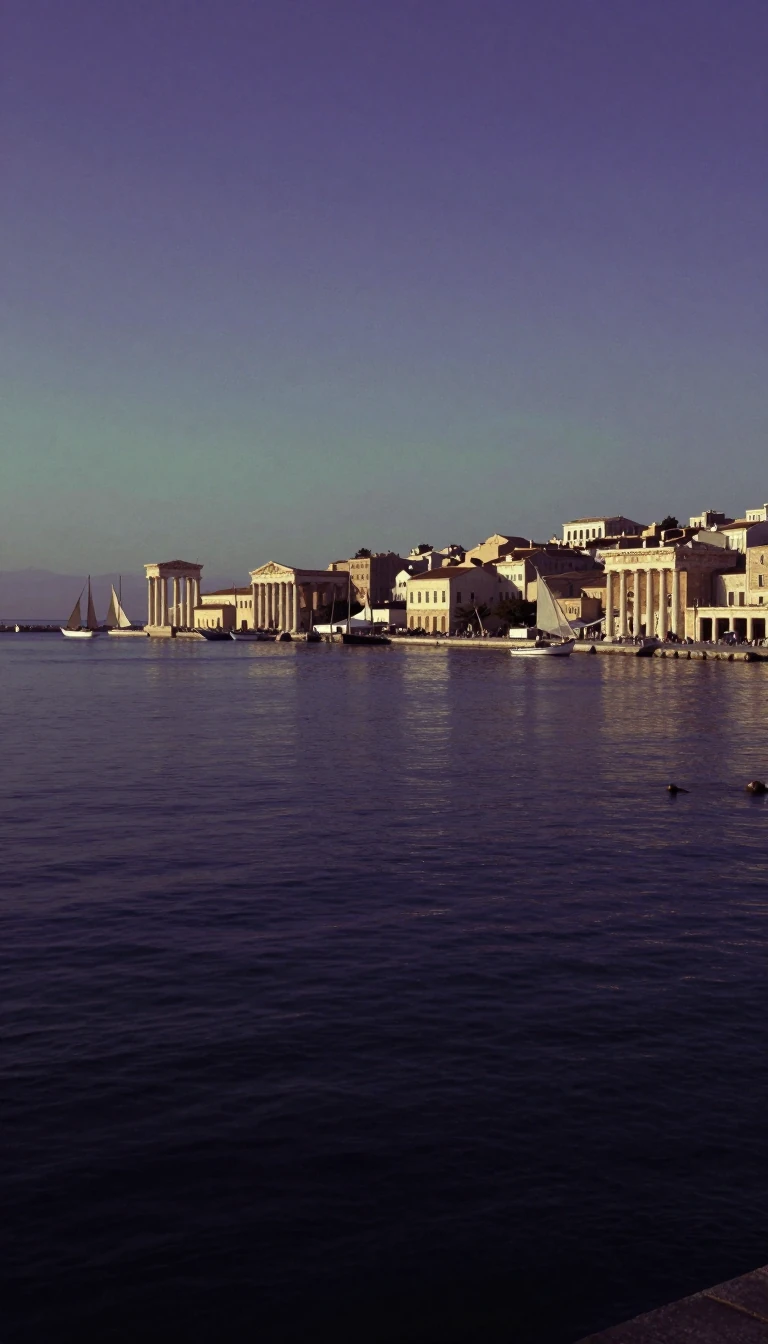
In short: For centuries, European sailors spoke of the Seven Pagodas visible from the Coromandel Coast. Today, the UNESCO-listed monuments at Mahabalipuram reveal a complex history of 7th-century Pallava artistry. While the sea may have claimed some structures, the surviving rock-cut temples offer a masterclass in ancient architectural evolution and Hindu mythology.
The Group of Monuments at Mahabalipuram, located about 60 kilometres south of Chennai, serves as a profound record of 7th- and 8th-century Pallava dynasty craftsmanship. This collection of 40 ancient sites includes monolithic ratha temples carved like chariots, intricate cave temples known as mandapas, and massive rock reliefs. These structures were not merely decorative; they were functional religious centers that integrated Shaivism, Vaishnavism, and Shaktism into the very landscape of the Coromandel Coast.
The site’s moniker, the Seven Pagodas, stems from colonial-era observations by sailors who claimed to see seven towers from the sea. This name gained traction through accounts by travelers like Marco Polo and Gasparo Balbi, though it remains a subject of intense speculation. The 2004 tsunami provided a startling glimpse into this mystery, briefly exposing submerged structures and ancient iconography on the seabed, which led archaeologists to wonder if a larger, ancient city lies hidden just offshore.
Construction at Mahabalipuram reflects a sophisticated transition from timber and brick to permanent stone. The Mandagapattu inscription of Mahendravarman I famously celebrates the creation of a temple without using traditional perishable materials. This architectural shift, spanning the reigns of kings like Narasimha Varman I and Rajasimha, showcases a progression of styles—from the early Mahendra period to the ornate Rajasimha era. By analyzing the Somaskanda panels and the specific iconography of the Varaha cave, scholars continue to debate the precise chronology of these monuments.
Today, the site is managed by the Archaeological Survey of India and was designated a UNESCO World Heritage Site in 1984. Beyond the aesthetic beauty of the Five Rathas or the narrative depth of the Descent of the Ganges relief, Mahabalipuram remains a vital link to the Bhakti movement and the economic history of South India. It stands as a testament to a time when artisans transformed granite boulders into enduring expressions of divine legend.
Opens the Intellect+ feed with this card first. Swipe up for the next one.
Sources
- Summary by Intellect · source: Group of Monuments at Mahabalipuram
To cite this card, link to https://intellectplus.co.uk/app/places-group-of-monuments-at-mahabalipuram.
How we source, check and correct cards: Editorial standards.
General information, not professional advice. Spotted an error? Flag the card or see corrections and complaints.
Intellect Plus is a visual educational discovery platform for exploring fascinating facts and ideas. Brain Food, Not Brain Rot. What is Intellect Plus?
Related
More in World Heritage Sites · More in Countries & Cities · Latest · A–Z · All topics
