Greater Poland: The historic heartland that became a modern industrial and transport powerhouse
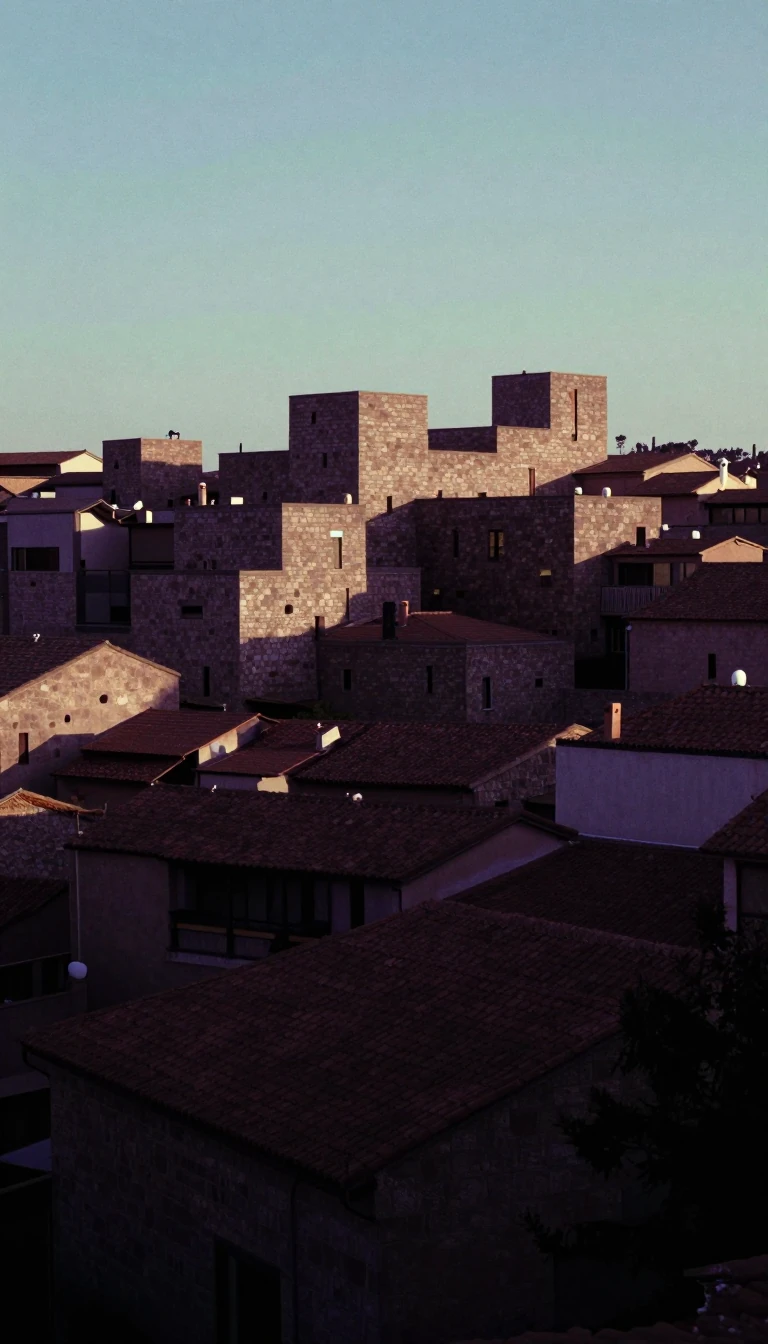
In short: Known as the cradle of the Polish state, Greater Poland has evolved from a 10th-century royal center into a vital economic engine. Today, this west-central province balances its deep historical roots with modern infrastructure, serving as a critical transit hub between Eastern Europe and the European Union.
Greater Poland, or Wielkopolska, served as the foundation of the early Polish state in the 10th century. Cities like Poznań and Gniezno were pivotal centers of royal power and the Christianization of the nation, housing the oldest diocese and archdiocese in Poland. However, the region's prominence faced severe challenges, including a pagan rebellion in the 1030s and a 1038 invasion by Bretislaus I of Bohemia, which forced the capital to move to Kraków.
The region's political status shifted frequently over the centuries. Following the fragmentation of Poland in 1138, it was divided into duchies before being reunited under Władysław I the Elbow-High in 1314. Later, the area endured partitions by Prussia and Russia, and was incorporated into Nazi Germany during World War II, where it suffered immense oppression and the establishment of notorious sites like the Fort VII concentration camp. It was not until the 1999 administrative reforms that the modern Greater Poland Voivodeship was established in its current form.
Today, the province is a major economic and logistical hub. It generates over 8% of Poland's total economic output, supported by a diverse industrial base that includes lignite mining, natural gas production, and salt extraction. Its strategic location makes it a primary transit corridor for international traffic moving between Russia, Belarus, and Western Europe, facilitated by the A2 motorway and the high-speed rail connections that link it to Berlin and Warsaw.
The landscape itself is a product of ancient geological forces, shaped by two distinct glaciations. While the northern and central areas are defined by numerous lakes, the southern plains are flatter and agriculturally fertile. Despite facing threats of steppization due to low rainfall in the east, the region maintains a robust agricultural sector alongside its industrial activities, reflecting a unique blend of historical legacy and contemporary development.
Opens the Intellect+ feed with this card first. Swipe up for the next one.
Sources
- Summary by Intellect · source: Greater Poland Voivodeship
- Also: Wikidata — Greater Poland Voivodeship · CC0
- Also: Wikidata — flag of Greater Poland Voivodeship · CC0
To cite this card, link to https://intellectplus.co.uk/app/places-greater-poland-voivodeship.
How we source, check and correct cards: Editorial standards.
General information, not professional advice. Spotted an error? Flag the card or see corrections and complaints.
Intellect Plus is a visual educational discovery platform for exploring fascinating facts and ideas. Brain Food, Not Brain Rot. What is Intellect Plus?
Related
More in Regions and country subdivisions · More in Countries & Cities · Latest · A–Z · All topics
