A Polish province defined by ancient Prussian roots and a complex, layered history
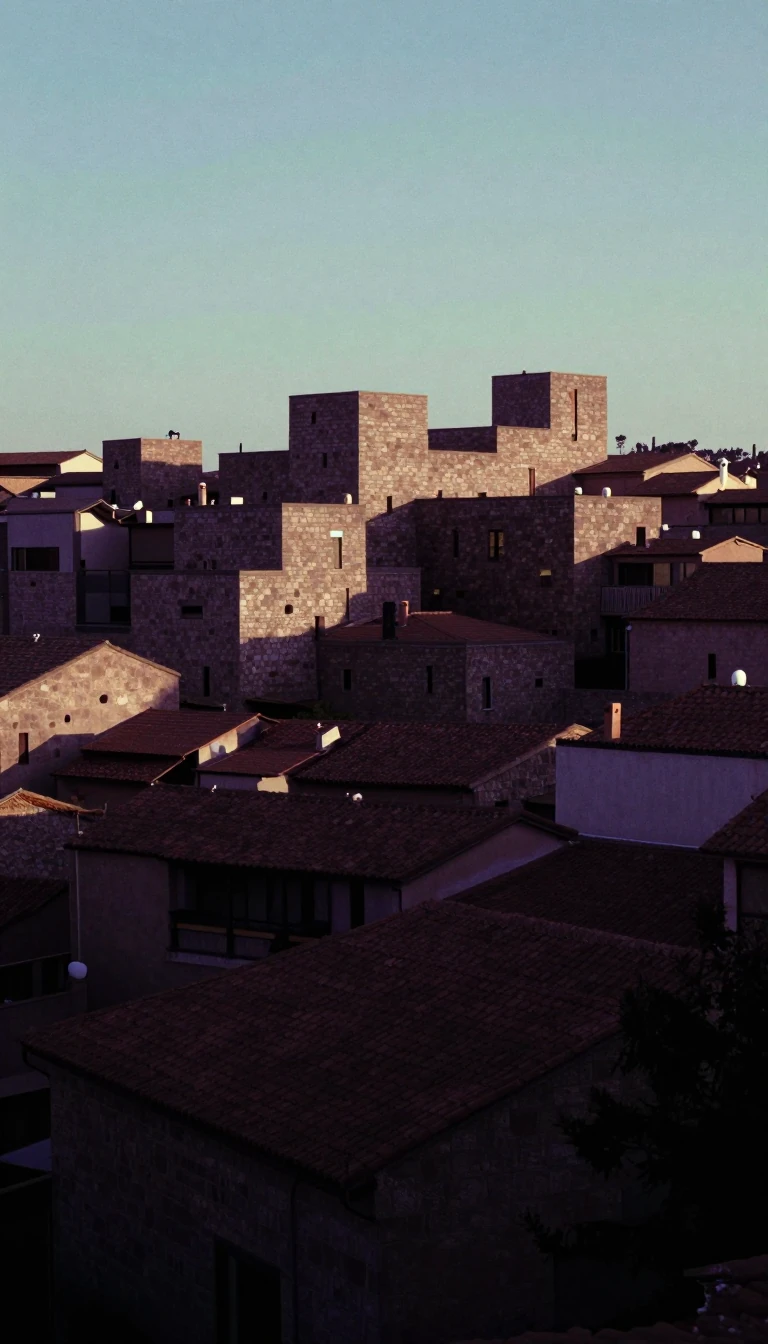
In short: Warmian–Masurian Voivodeship is a northeastern Polish province born from the remnants of Old Prussian clans and the Teutonic Order. Today, it is a landscape of over 2,000 lakes, Gothic castles, and the site of Wolf's Lair, blending deep medieval heritage with a modern, tranquil pace of life.
The region’s identity is rooted in the history of pagan Old Prussian clans like the Warmians and Bartians, who were conquered during the Northern Crusade by the Teutonic Order. This theocratic state transformed the area through urbanization and Hanseatic expansion, though it eventually faced conflict with Poland. Following the Battle of Grunwald and the Thirteen Years' War, the territory was divided, with parts incorporated into Poland and others remaining as fiefs. By 1525, the Order’s state was secularized into the Duchy of Prussia, which later entered a personal union with Brandenburg, eventually becoming part of the German Empire.
The 20th century brought profound upheaval to the region. It served as a battlefield during World War I, notably at the Battle of Tannenberg, and later endured the Nazi occupation of Poland during World War II. The area hosted the Wolf's Lair, Hitler's first Eastern Front headquarters, and several concentration camps, including Soldau. Post-1945, the demographic landscape shifted entirely as the German population was expelled under the Potsdam Agreement, and the region became part of Poland. Today, it holds the largest number of ethnic Ukrainians in Poland, a legacy of forced relocations like Operation Vistula.
Modern Warmian–Masurian Voivodeship is defined by its geography and cultural preservation. It contains the Masurian Lake District, home to Poland's largest lakes, Śniardwy and Mamry. The region is also a hub for historical tourism, featuring the Cathedral Hill in Frombork—where Nicolaus Copernicus lived and is buried—and numerous Gothic castles. Beyond its history, the province is notable for its commitment to slow living; it hosts 28 towns that are members of the international Cittaslow network, the highest concentration in any Polish province, reflecting a deliberate shift toward preserving quality of life and local tradition.
Opens the Intellect+ feed with this card first. Swipe up for the next one.
Sources
- Summary by Intellect · source: Warmian–Masurian Voivodeship
To cite this card, link to https://intellectplus.co.uk/app/places-warmian-masurian-voivodeship.
How we source, check and correct cards: Editorial standards.
General information, not professional advice. Spotted an error? Flag the card or see corrections and complaints.
Intellect Plus is a visual educational discovery platform for exploring fascinating facts and ideas. Brain Food, Not Brain Rot. What is Intellect Plus?
Related
More in Regions and country subdivisions · More in Countries & Cities · Latest · A–Z · All topics
