Austria's highest peak was once feared as a dangerous, icy, and unreachable monolith.
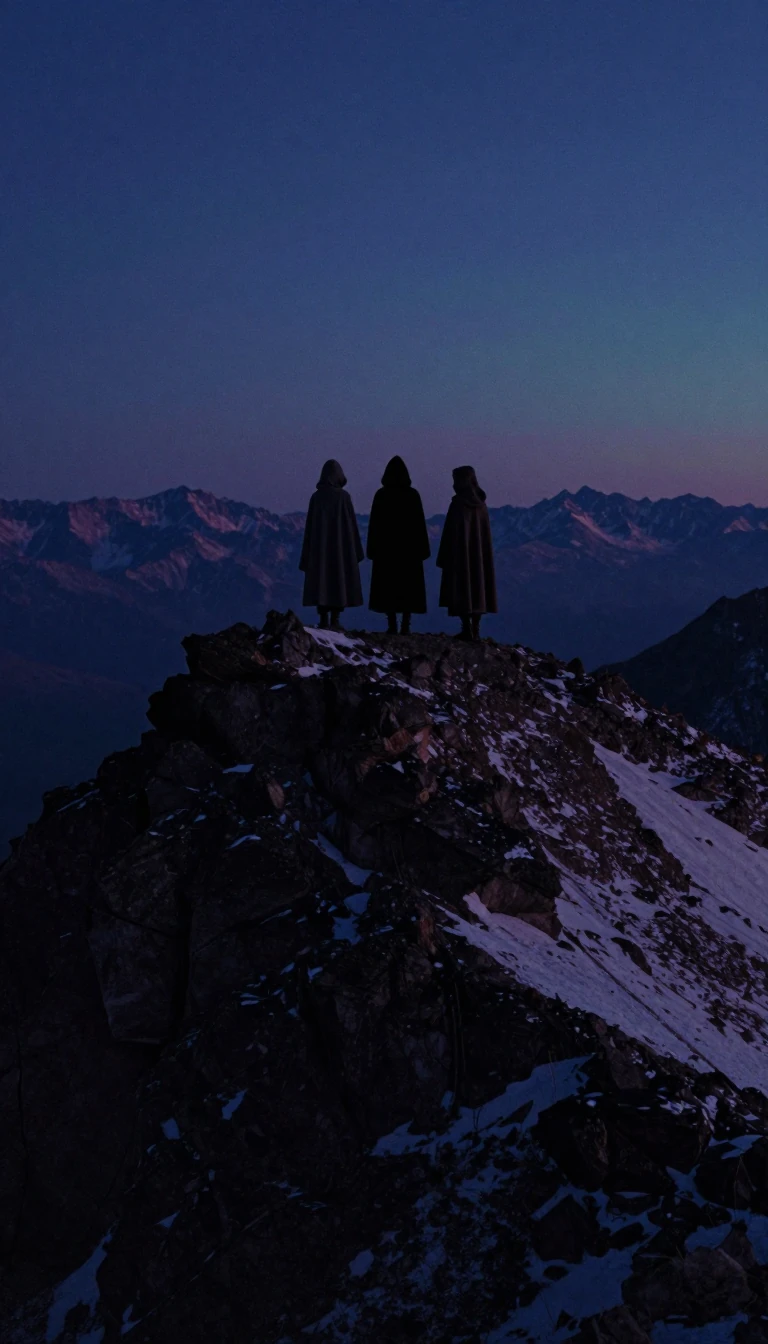
In short: Rising 3,798 meters, the Grossglockner is a double-peaked giant that defines the Austrian Alps. Long avoided by locals who feared its glaciers, this mountain transitioned from a mysterious, unclimbed barrier to a symbol of national pride, scientific curiosity, and eventually, one of the most visited tourist destinations in the country.
The Grossglockner, situated on the border of Carinthia and Tyrol, is a pyramid-shaped massif consisting of two distinct pinnacles: the Grossglockner and the Kleinglockner. Separated by the Obere Glocknerscharte, the highest col in Austria, these peaks have long challenged mountaineers. Its name, likely derived from the German word for bell or the Slavic term for mountain, reflects its imposing presence. Since 1986, the surrounding region has been protected within the High Tauern National Park, preserving the Pasterze, the most extended glacier in Austria.
The mountain's climbing history began with scientific ambition rather than sport. In the late 18th century, figures like Belsazar Hacquet and Prince-Bishop Count Franz Xaver of Salm organized expeditions to conquer the summit. Initial attempts in 1799 reached only the Kleinglockner. It was not until July 28, 1800, that a massive expedition of 62 people succeeded. Four local guides and a parish priest, Mathias Hautzendorfer, were the first to cross the dangerous col and stand on the true summit, marking a milestone in Alpine exploration.
By the mid-19th century, the mountain became a focal point for Alpinists and infrastructure development. Johann Stüdl pioneered routes on the southwestern ridge, while Count Pallavicini famously conquered the steep Northeast Face in 1876 by chopping 2,500 steps into the ice. Following the 1919 Treaty of Saint-Germain, the Grossglockner gained status as Austria's highest peak. Today, the mountain is accessible to millions via the High Alpine Road, an engineering feat completed in 1935 that draws nearly a million visitors annually, cementing the peak's role as a cornerstone of Austrian tourism.
Opens the Intellect+ feed with this card first. Swipe up for the next one.
Sources
- Summary by Intellect · source: Grossglockner
- Also: Wikidata — Grossglockner · CC0
To cite this card, link to https://intellectplus.co.uk/app/places-grossglockner.
How we source, check and correct cards: Editorial standards.
General information, not professional advice. Spotted an error? Flag the card or see corrections and complaints.
Intellect Plus is a visual educational discovery platform for exploring fascinating facts and ideas. Brain Food, Not Brain Rot. What is Intellect Plus?
Related
More in Mountain peaks and volcanos · More in Countries & Cities · Latest · A–Z · All topics
