How a city of survivors transformed from an ancient settlement into a cultural powerhouse
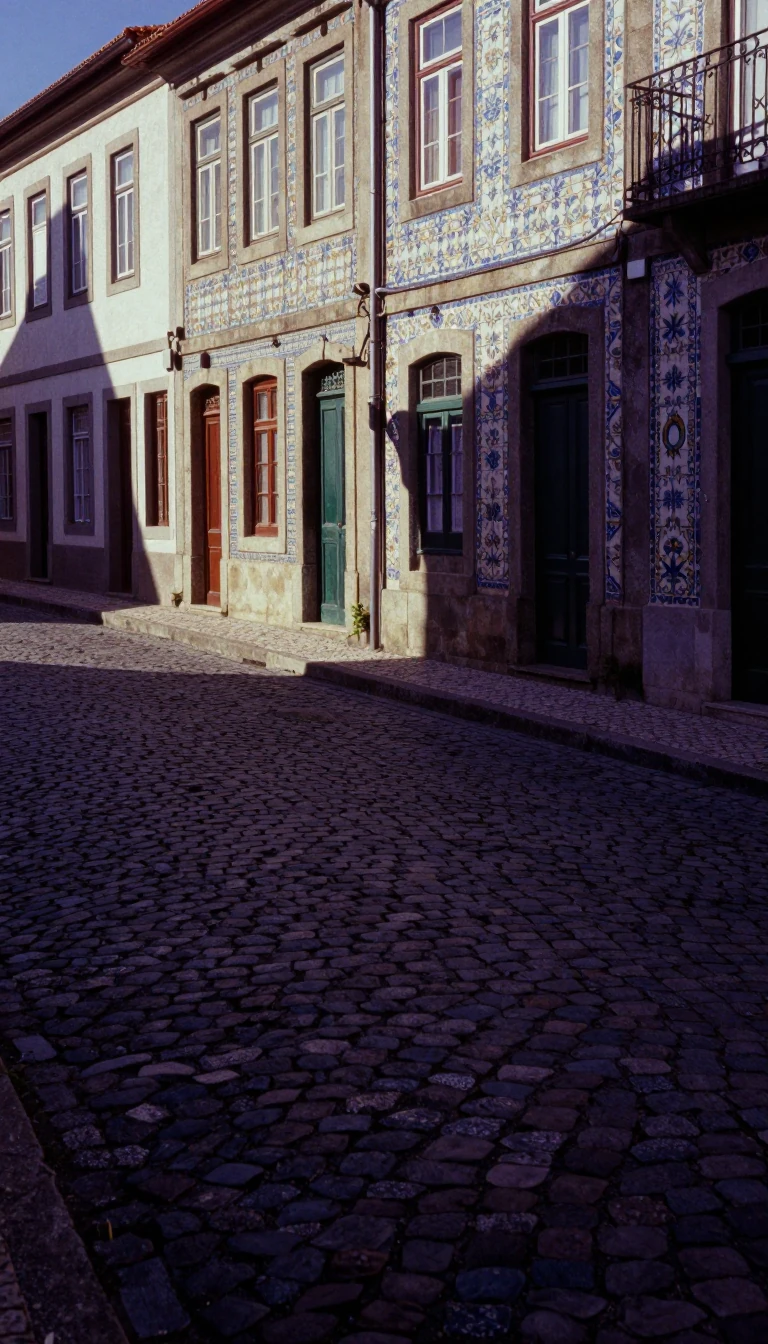
In short: Gyumri, Armenia’s second-largest city, has endured centuries of geopolitical upheaval, devastating earthquakes, and shifting empires. From its origins as an ancient Urartian settlement to its role as a Russian military outpost and Soviet industrial hub, this resilient city remains a vital center of Armenian culture, architecture, and craftsmanship.
The history of Gyumri is a layered chronicle of survival. Originally known as Kumayri, the site has been inhabited since at least the third millennium BC. By the 8th century BC, it was documented in Urartian inscriptions, and it later served as a strategic crossroads for the Achaemenid, Sasanian, and Byzantine empires. Following the 1813 Treaty of Gulistan, the city fell under Russian control, eventually becoming Alexandropol in 1837. This era brought rapid expansion, as the city transformed into a major military garrison and a thriving commercial hub, home to hundreds of businesses and cultural institutions by the end of the 19th century.
The 20th century brought profound instability. During World War I, the city became a sanctuary for thousands of refugees fleeing the Armenian genocide, including 22,000 orphans. Renamed Leninakan during the Soviet period, it grew into a major industrial center before the catastrophic 1988 Spitak earthquake. The disaster, which occurred along a 60-kilometer thrust fault, devastated the city’s infrastructure and population. Despite the destruction, the historic Kumayri district largely survived, preserving rare 19th-century urban architecture that distinguishes the city today.
Modern Gyumri continues to navigate the legacy of its past. While reconstruction efforts persist, the city maintains its identity as a cultural capital, hosting significant religious and artistic events, such as Pope Francis’s 2016 visit. It remains a unique intersection of influences, housing the Russian 102nd Military Base while serving as the seat of the Diocese of Shirak for the Armenian Apostolic Church. Today, the city’s resilience is reflected in its ongoing efforts to balance its complex history with its role as a contemporary center for Armenian heritage and craftsmanship.
Opens the Intellect+ feed with this card first. Swipe up for the next one.
Sources
- Summary by Intellect · source: Gyumri
- Also: Gyumri
- Also: Wikidata — Gyumri · CC0
To cite this card, link to https://intellectplus.co.uk/app/places-gyumri.
How we source, check and correct cards: Editorial standards.
General information, not professional advice. Spotted an error? Flag the card or see corrections and complaints.
Intellect Plus is a visual educational discovery platform for exploring fascinating facts and ideas. Brain Food, Not Brain Rot. What is Intellect Plus?
Related
More in Asia · More in Countries & Cities · Latest · A–Z · All topics
