Gyeongju: The Ancient Korean Capital Often Called a Museum Without Walls
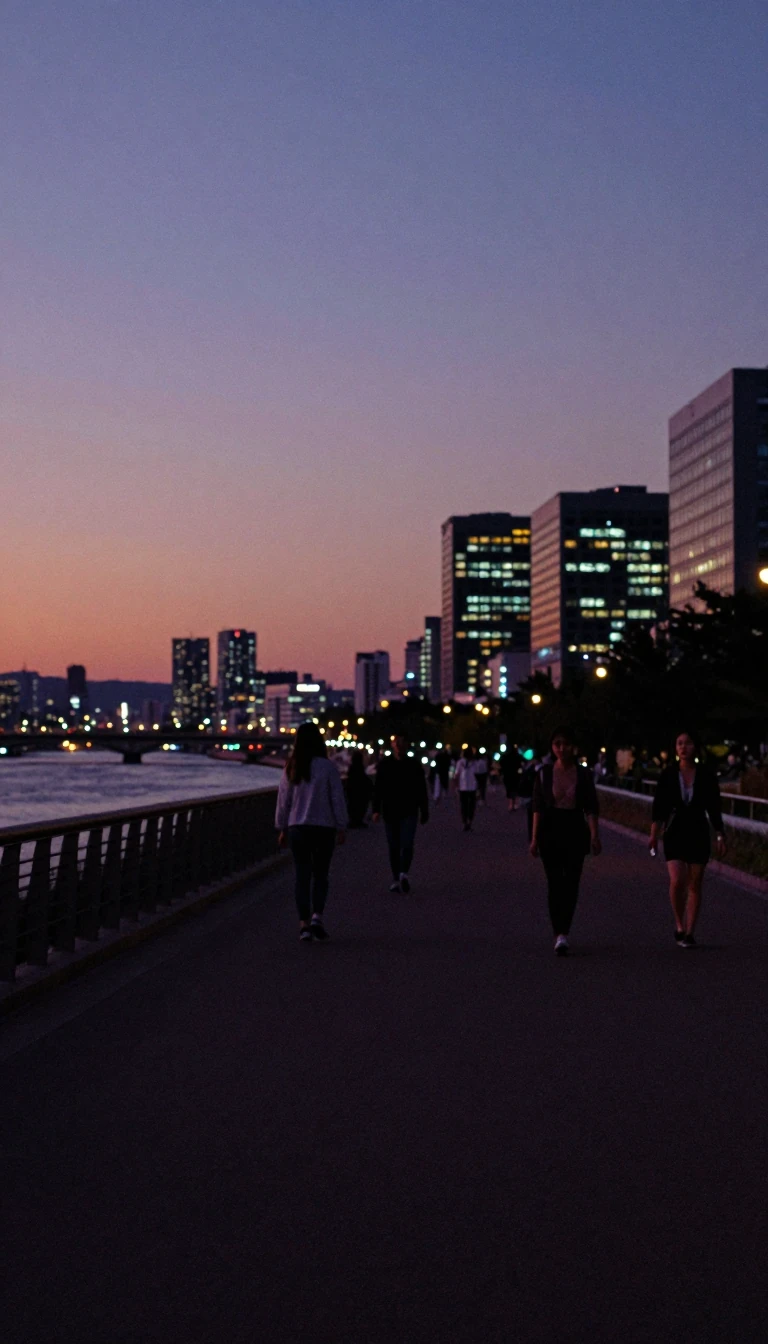
In short: Once the seat of the powerful Silla kingdom, Gyeongju was a global metropolis of nearly one million people. Today, this South Korean city remains a living archive of history, where royal burial mounds and Buddhist treasures sit alongside modern life, earning it the evocative title of a museum without walls.
For nearly a millennium, from 57 BC to 935 AD, Gyeongju served as the capital of the Silla kingdom. At its height between the 7th and 9th centuries, Silla controlled approximately two-thirds of the Korean peninsula. During this golden age, the city—then known as Sŏrabŏl—was a center of immense prosperity, reportedly ranking as the fourth-largest city in the world. Its influence was so far-reaching that its wealth was documented as far away as Persia in 9th-century texts.
The city’s landscape is defined by its deep historical roots, featuring hundreds of tumuli—ancient burial mounds—that dot the urban area. These sites, along with architectural marvels like the Bulguksa temple and the Seokguram grotto, have earned Gyeongju UNESCO World Heritage status. While the city faced periods of destruction, including Mongol invasions and Neo-Confucian efforts to dismantle Buddhist statuary in the early Joseon period, it has preserved a vast collection of artifacts, with over 16,000 items housed in the Gyeongju National Museum.
Modern Gyeongju is an urban-rural complex formed by the 1995 merger of the city and its surrounding county. While tourism remains a primary economic pillar, the city has integrated into South Korea's industrial landscape, benefiting from its proximity to manufacturing hubs like Ulsan and Pohang. Despite facing contemporary demographic challenges, such as an aging population and migration to larger urban centers, Gyeongju maintains a unique cultural identity, evidenced by its distinct local dialect and its status as the birthplace of the indigenous religion Cheondoism.
The city's geography, characterized by the Taebaek Mountains and the Hyeongsan River, has shaped both its development and its vulnerabilities. Historically prone to flooding, Gyeongju has seen significant infrastructure improvements in the late 20th century to mitigate these risks. Today, it stands as a bridge between Korea's ancient past and its industrial present, serving as a repository for the heritage of the Silla elite and the enduring traditions of the Gyeongsang region.
Opens the Intellect+ feed with this card first. Swipe up for the next one.
Sources
- Summary by Intellect · source: Gyeongju
- Also: Wikidata — Gyeongju · CC0
- Also: Wikidata — Gyeongju · CC0
To cite this card, link to https://intellectplus.co.uk/app/places-gyeongju.
How we source, check and correct cards: Editorial standards.
General information, not professional advice. Spotted an error? Flag the card or see corrections and complaints.
Intellect Plus is a visual educational discovery platform for exploring fascinating facts and ideas. Brain Food, Not Brain Rot. What is Intellect Plus?
Related
More in Asia · More in Countries & Cities · Latest · A–Z · All topics
