How economic stagnation accidentally saved one of Southeast Asia's most important historic trading ports
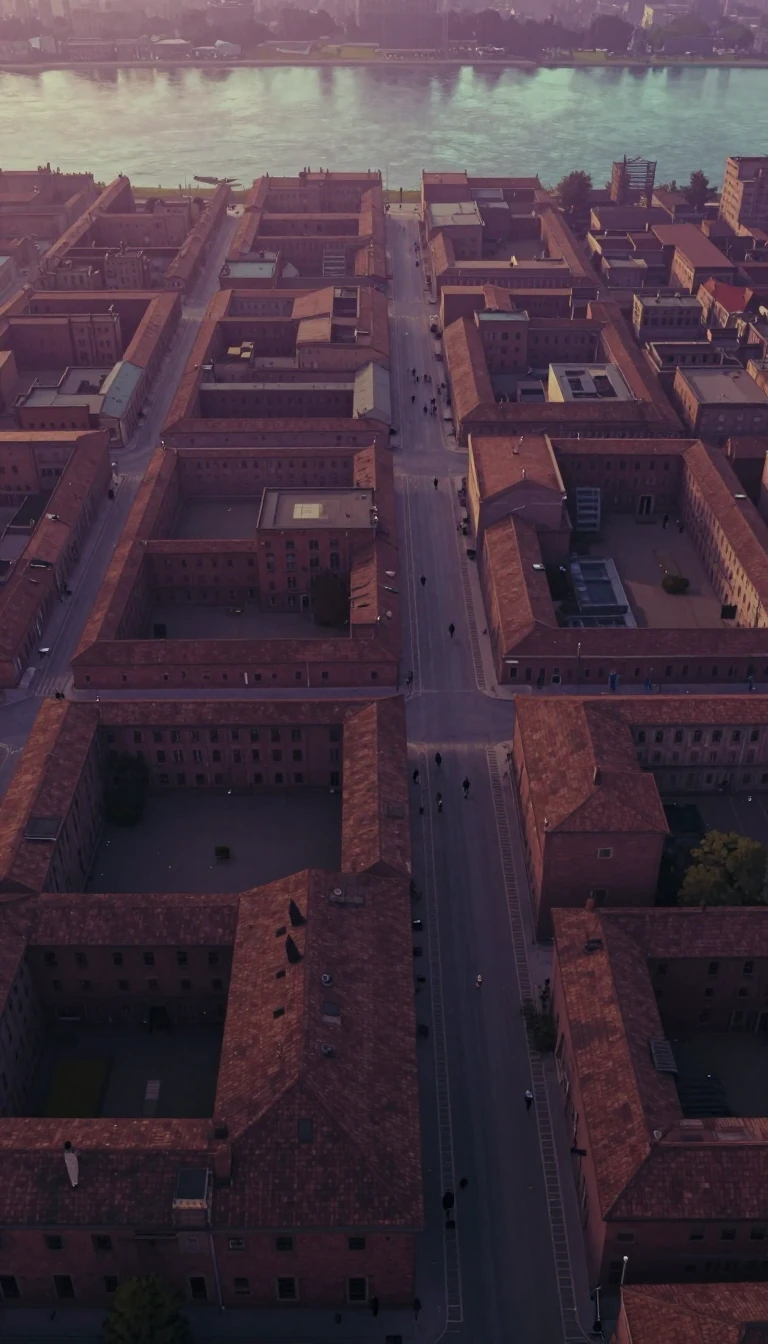
In short: Hội An was once a bustling hub on the maritime Silk Road, drawing merchants from across the globe. When its trade dominance faded in the 19th century, the town was left behind by modern development. This neglect became its greatest protection, preserving a rare, intact architectural time capsule today.
Located downstream of the Thu Bồn River, Hội An began as a site within the Sa Huỳnh culture before falling under the control of the Kingdom of Champa in the 2nd century. Under Cham rule, the region became a vital maritime trading port. By the late 15th century, the area saw an influx of Vietnamese residents under the Nguyễn clan, followed by a significant wave of Chinese and Japanese immigrants in the 17th century. This diversity fueled extreme economic growth, establishing Hội An as one of the busiest trading posts in Southeast Asia for two centuries.
The town’s architecture reflects this layered history. The Champa left behind wells and structures like the Trảng Sỏi 1 archaeological site, while Chinese settlers constructed five assembly halls designed with traditional aesthetics of harmony and balance. Japanese influence is best exemplified by the 10-metre long wooden bridge built in the early 17th century. Later, French colonization in the 19th century introduced distinct townhouse styles. Remarkably, the original street plan from the town's peak as a trading hub remains largely unchanged.
The transition from a thriving port to a preserved heritage site was driven by decline. During the 19th century, trade shifted toward the emerging city of Da Nang, located about 28 km to the north. Because Hội An lacked the economic incentives for modernization, its historic buildings were not replaced or demolished. This stagnation allowed the town to maintain an intact 17th- and 18th-century townscape. Recognizing this value, the Vietnamese government declared it a National Cultural Heritage Site in 1985, followed by a Special National Cultural Heritage designation in 2009. UNESCO officially listed the site on December 12, 1999, and the government now manages a 280-hectare buffer zone to protect the area's 1,360 ancient monuments, including 1,068 preserved houses.
Opens the Intellect+ feed with this card first. Swipe up for the next one.
Sources
- Summary by Intellect · source: Hội An Old Town
- Also: Wikidata — Hoi An Ancient Town · CC0
To cite this card, link to https://intellectplus.co.uk/app/places-h-i-an-old-town.
How we source, check and correct cards: Editorial standards.
General information, not professional advice. Spotted an error? Flag the card or see corrections and complaints.
Intellect Plus is a visual educational discovery platform for exploring fascinating facts and ideas. Brain Food, Not Brain Rot. What is Intellect Plus?
Related
More in World Heritage Sites · More in Countries & Cities · Latest · A–Z · All topics
