Beneath the rainforest of Borneo lies the world's most studied tropical karst system.
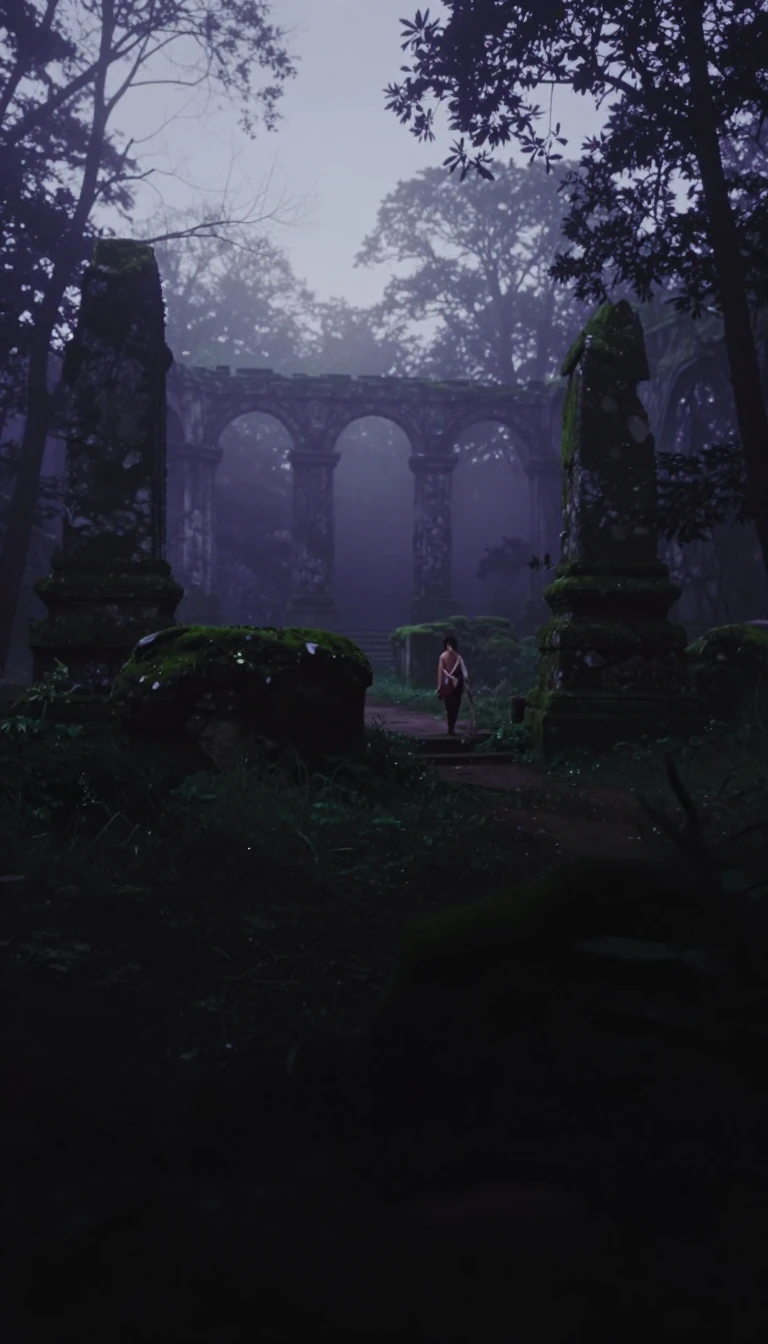
In short: Gunung Mulu National Park is a massive, protected wilderness in Sarawak, Malaysia, defined by its jagged limestone pinnacles and an extraordinary network of subterranean passages. Home to millions of bats and rare endemic plants, this UNESCO World Heritage Site remains a frontier for explorers and a sanctuary for indigenous tribes.
Gazetted in 1974, Gunung Mulu National Park spans 52,864 hectares of equatorial rainforest. The landscape is dominated by three distinct mountains: the sandstone Mount Mulu and the limestone-rich Mount Api and Mount Benarat. These peaks, formed by tectonic uplift between 2 and 5 million years ago, create a dramatic topography of gorges, cliffs, and karst towers. The park's unique geology supports 17 distinct vegetation zones, ranging from lowland dipterocarp forests to stunted summit moss forests, housing thousands of species including 1,500 types of flowering plants and 8,000 types of fungi.
The park is globally renowned for its extensive cave systems, which have been the focus of over 20 expeditions since the 1977–1978 Royal Geographical Society project. Explorers have mapped 295 km of passages, including the Sarawak Chamber—one of the world's largest underground chambers—and the Clearwater Cave system, which stretches over 227 km. These caves are not merely geological curiosities; they are active ecosystems. Deer Cave, for instance, hosts approximately three million wrinkle-lipped free-tailed bats that perform a spectacular daily exodus, while the surrounding forests provide habitat for hornbills, sun bears, and rare amphibians like the Gunung Mulu stream toad.
Human history in the area is equally deep, with archaeological evidence in the Cave of Winds dating back 3,000 years. Today, the park is managed by the Sarawak Forestry Corporation, which restricts public access to 10% of the land to preserve its ecological integrity. Local indigenous communities, including the Penan and Berawan, maintain traditional ties to the land, though they have faced recent conflicts regarding encroaching logging and plantation activities. As the most studied tropical karst area on Earth, Mulu serves as a critical site for scientific research and a testament to the complex interplay between ancient geology and modern conservation efforts.
Opens the Intellect+ feed with this card first. Swipe up for the next one.
Sources
- Summary by Intellect · source: Gunung Mulu National Park
- Also: Wikidata — Gunung Mulu National Park · CC0
To cite this card, link to https://intellectplus.co.uk/app/places-gunung-mulu-national-park.
How we source, check and correct cards: Editorial standards.
General information, not professional advice. Spotted an error? Flag the card or see corrections and complaints.
Intellect Plus is a visual educational discovery platform for exploring fascinating facts and ideas. Brain Food, Not Brain Rot. What is Intellect Plus?
Related
More in World Heritage Sites · More in Countries & Cities · Latest · A–Z · All topics
