How ancient Okinawan stone fortresses became a bridge between two great Asian empires
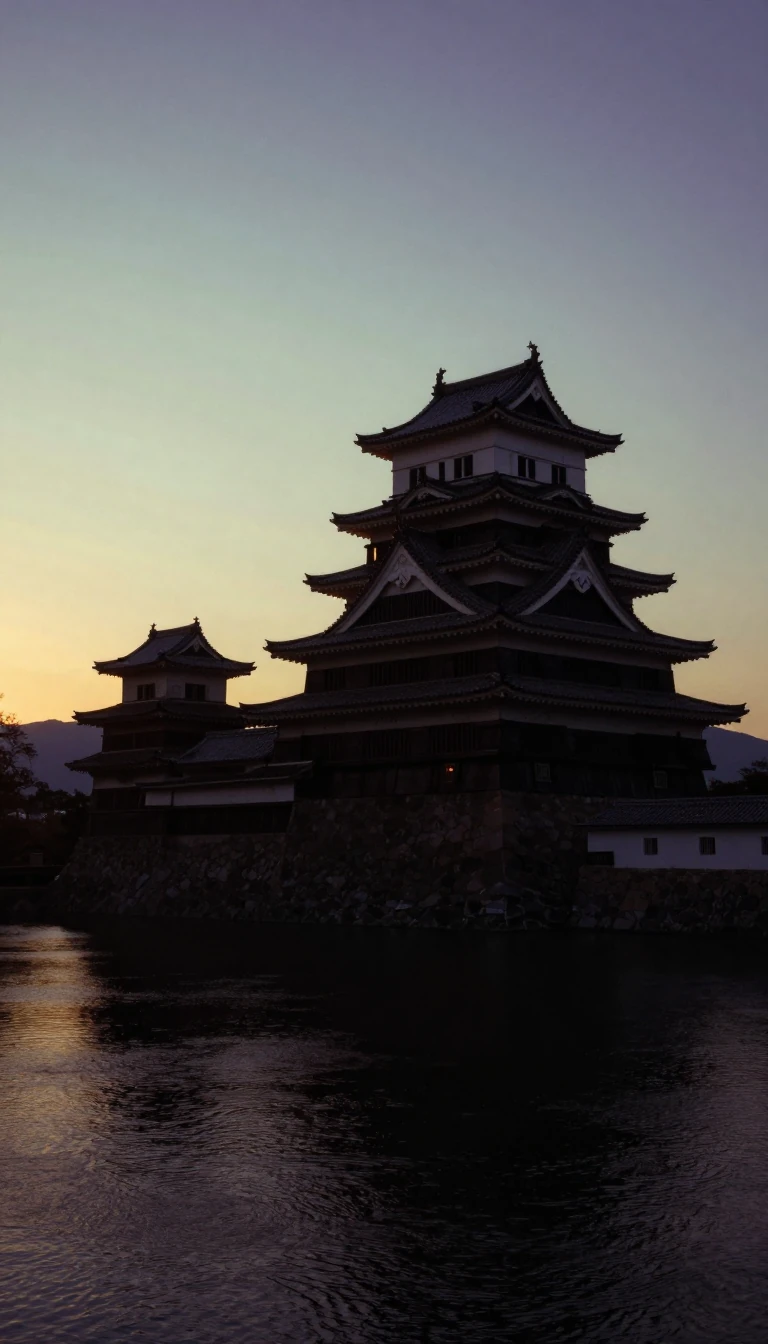
In short: The Ryukyu Kingdom once thrived as a vital economic junction, blending Japanese and Chinese influences through its unique gusuku architecture. These stone fortifications, built by feudal lords between the 12th and 17th centuries, represent a vanished civilization that mastered trade and diplomacy before being caught in the crossfire of history.
The gusuku sites are a collection of nine distinct locations in Okinawa Prefecture, Japan, designated as a UNESCO World Heritage Site in 2000. These properties include five castle ruins, one reconstructed castle, a mausoleum, a garden, and two sacred utaki sites. They stand as physical evidence of the Ryukyu Kingdom, a state that functioned as a crucial cultural and economic intermediary between neighboring powers for over five centuries.
Construction of these fortresses began during the Gusuku Period, spanning 1187 to 1314, as local chieftains known as Aji moved inland to higher ground. These leaders managed taxes and religious rites alongside Noro priestesses, while securing control over strategic harbors. By the 14th century, the island was split into three competing kingdoms: Hokuzan, Chūzan, and Nanzan. This division ended in 1429 when King Shō Hashi unified the region, establishing the capital at Shuri Castle and expanding influence to the Amami and Sakishima Islands.
The kingdom's autonomy shifted dramatically in 1609 when the Satsuma Domain of Japan invaded, destroying key structures like Urasoe and Nakijin Castles. Following this, the construction of new gusuku ceased. The sites suffered further damage during the Battle of Okinawa in World War II, particularly Shuri Castle, which was later reconstructed in the 1990s. Today, these sites are recognized for their role in preserving the history of a unique civilization that linked artistic traditions, spiritual beliefs, and political ideals across a span of 500 years.
Opens the Intellect+ feed with this card first. Swipe up for the next one.
Sources
- Summary by Intellect · source: Gusuku Sites and Related Properties of the Kingdom of Ryukyu
To cite this card, link to https://intellectplus.co.uk/app/places-gusuku-sites-and-related-properties-of-the-kingdom-of-ryukyu.
How we source, check and correct cards: Editorial standards.
General information, not professional advice. Spotted an error? Flag the card or see corrections and complaints.
Intellect Plus is a visual educational discovery platform for exploring fascinating facts and ideas. Brain Food, Not Brain Rot. What is Intellect Plus?
Related
More in World Heritage Sites · More in Countries & Cities · Latest · A–Z · All topics
