The Harz mountains were once the final stronghold of paganism in medieval Germany.
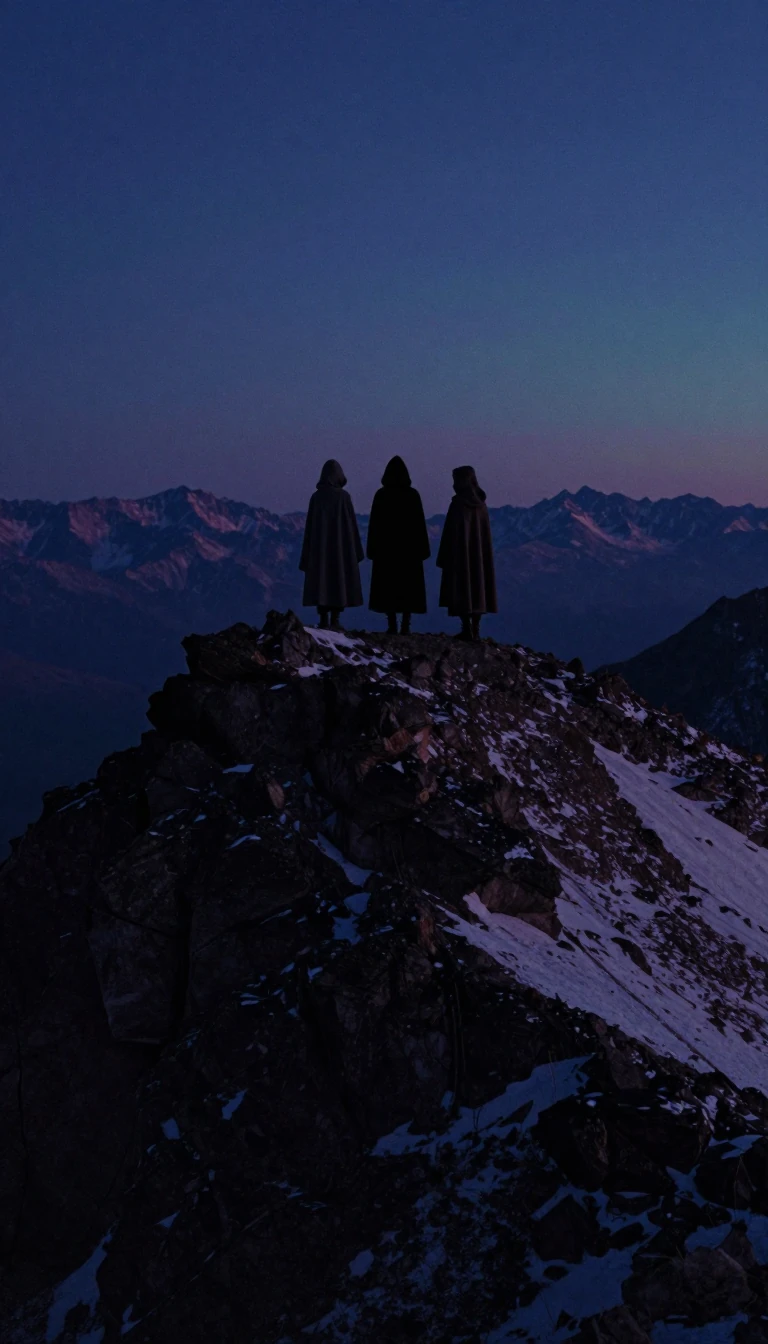
In short: Rising from the North German Plain, the Harz range is a landscape of extremes. It is a place where damp, raw plateaus meet dense spruce forests, and where ancient folklore and legends still cling to the granite peaks. This rugged highland has shaped German history, industry, and even its linguistic borders.
The Harz is Germany's northernmost mountain range, stretching 60 miles between the Weser and Elbe rivers. Geologically, it is a series of terraced plateaus composed of slate, sandstone, and limestone, punctuated by granite summits like the Brocken, which reaches 3,747 feet. The range is split into two distinct zones: the higher, northwestern Oberharz and the lower, southeastern Unterharz. This division is more than just geographical; it creates a sharp climatic contrast. The Oberharz, being the first barrier to northerly winds, experiences a damp, raw climate, while the Unterharz enjoys milder conditions suitable for agriculture.
Human activity in the Harz has been defined by its natural resources for centuries. Between the 10th and 16th centuries, the region became a powerhouse of mining and metallurgy, extracting silver, lead, iron, copper, and zinc. This intensive development was made possible by the region's abundant water, which was harnessed through an extensive network of dams. Today, these structures serve a dual purpose: they protect against flooding and provide drinking water and electricity to towns as far as 125 miles away. Beyond industry, the Harz is a cultural crossroads where the boundary between High and Low German dialects persists.
The mountains are also a repository of history and myth. The region's fanciful names and legends are attributed to its status as the last bastion of paganism in Germany. While large predators like bears, wolves, and lynx have been hunted to extinction, the area remains a sanctuary for deer, foxes, and wildcats. Today, the Harz is primarily driven by tourism, drawing visitors to its historic towns, health spas, and the Harz National Park. It remains a site of scientific interest, with researchers even analyzing DNA from Bronze Age skeletons discovered in the local Lichtenstein Cave.
Opens the Intellect+ feed with this card first. Swipe up for the next one.
Sources
- Summary by Intellect · source: Harz | Germany, Map, & Facts | Britannica
- Also: Harz
To cite this card, link to https://intellectplus.co.uk/app/places-harz.
How we source, check and correct cards: Editorial standards.
General information, not professional advice. Spotted an error? Flag the card or see corrections and complaints.
Intellect Plus is a visual educational discovery platform for exploring fascinating facts and ideas. Brain Food, Not Brain Rot. What is Intellect Plus?
Related
More in Land relief · More in Countries & Cities · Latest · A–Z · All topics
