Hatra: The fortified desert city that defied two empires for centuries
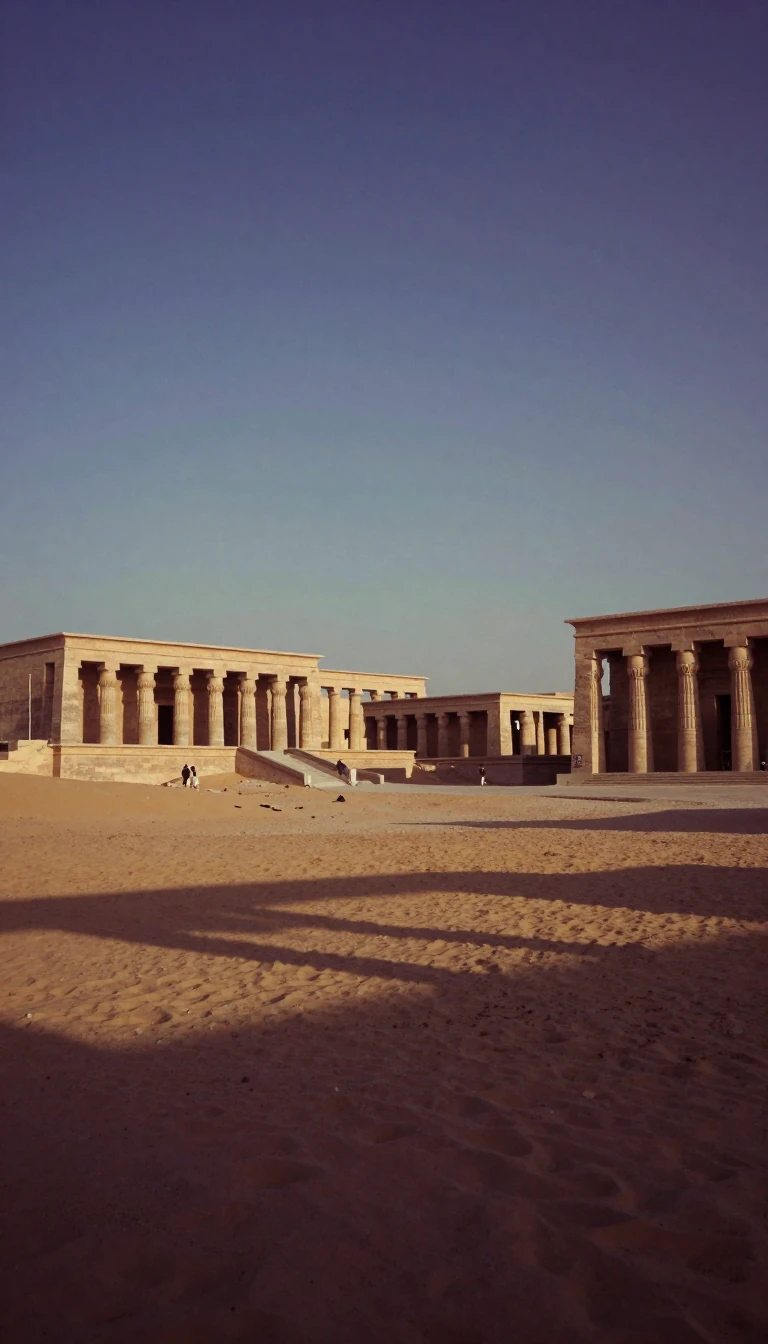
In short: Located in northern Iraq, Hatra served as a vital, heavily defended caravan hub between the Roman and Parthian Empires. This ancient city, famous for its circular walls and fusion of diverse religious traditions, survived repeated sieges before its eventual fall in the third century AD. Its legacy remains remarkably complex.
Hatra, known in its own Aramaic inscriptions as Ḥaṭrāʾ, was a formidable caravan city situated in Upper Mesopotamia. Flourishing during the second century AD, it acted as a semi-autonomous buffer state within the Parthian Empire, governed by Arabian princes. Its strategic importance was underscored by its ability to repel major Roman sieges, including those led by Trajan in 116/117 and Septimius Severus in 198/199. The city’s architecture, characterized by a circular plan protected by over 160 towers, reflected a unique synthesis of Greek, Assyrian, Canaanite, Aramean, and Arabian cultural influences.
The city’s religious life centered on the Great Temple, a massive structure dedicated to the sun god Shamash, which reached heights of 30 metres. This site served as a melting pot for various pantheons, honoring deities ranging from the Akkadian Nergal to the Greek Hermes. Inscriptions reveal that Hatra’s leadership evolved from local lords, titled māryā, to kings of the Arabs, or malkā d-ʿrb. This cultural richness was further evidenced by its statuary, which scholars like John M. Rosenfield link to the broader Parthian artistic sphere, noting stylistic parallels with the Kushan Empire.
In modern times, Hatra became a symbol of both national pride and tragic destruction. Saddam Hussein sought to link his regime to the city’s Mesopotamian history, even inscribing his name onto restored temple structures. Following the rise of ISIL in 2014, the site faced severe threats, with militants bulldozing artifacts they deemed polytheistic. While reports from 2017 suggested the damage was less extensive than initially feared, the site remains a poignant reminder of the fragility of human heritage. Since 1985, Hatra has been recognized as a UNESCO World Heritage Site, preserving the memory of a civilization that once stood at the crossroads of the ancient world.
Opens the Intellect+ feed with this card first. Swipe up for the next one.
Sources
- Summary by Intellect · source: Hatra
- Also: Wikidata — Hatra · CC0
- Also: Wikidata — Hatra · CC0
To cite this card, link to https://intellectplus.co.uk/app/places-hatra.
How we source, check and correct cards: Editorial standards.
General information, not professional advice. Spotted an error? Flag the card or see corrections and complaints.
Intellect Plus is a visual educational discovery platform for exploring fascinating facts and ideas. Brain Food, Not Brain Rot. What is Intellect Plus?
Related
More in World Heritage Sites · More in Countries & Cities · Latest · A–Z · All topics
