India is the primary global anchor for the world's oldest living religious tradition
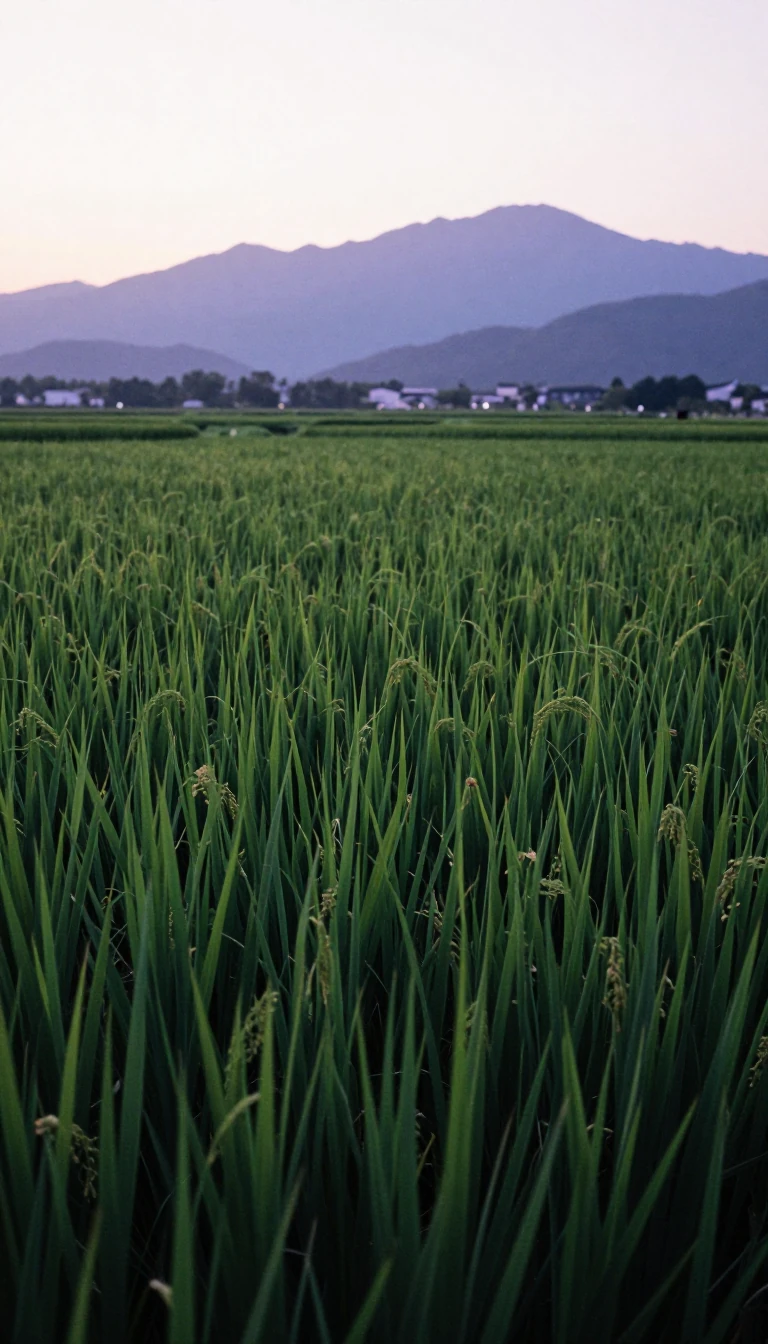
In short: With nearly 80 percent of its citizens identifying as Hindu, India serves as the central homeland for the vast majority of the world's Hindu population. While the faith is ancient, its modern identity is a complex blend of deep-rooted sacred geography, evolving demographic shifts, and ongoing debates over national character.
Hinduism is often described as the oldest living religion, with roots tracing back to the Indus Valley Civilization of the 3rd to 2nd millennium BCE. While the term itself was popularized by 19th-century British writers, the tradition encompasses a vast, fluid corpus of Sanskrit and vernacular texts, rituals, and philosophies. For practitioners, the Indian landscape is not merely physical terrain but a sacred, storied environment where rivers like the Ganga and mountains like the Himalayas are worshipped as divine manifestations.
The demographic landscape of the faith has been shaped by centuries of history, including the 1947 Partition, which triggered massive migrations and altered the religious composition of the subcontinent. Today, India remains the primary home for roughly 94 percent of all Hindus worldwide. However, current trends indicate a shift toward smaller family sizes; the Total Fertility Rate among Hindus has fallen to 1.9, dipping below the replacement level of 2.1. Projections suggest that while the absolute number of Hindus in India will grow to nearly 1.3 billion by 2050, their proportional share of the national population is expected to decline slightly.
The intersection of faith and statehood remains a subject of intense discussion. Although the Indian Constitution establishes a secular framework, critics and supporters alike point to constitutional elements—such as the protection of cows under Article 48 or the inclusion of mythological figures in the original constitutional text—as evidence of a unique relationship between the state and the religion. While some organizations advocate for declaring India a Hindu nation, public opinion remains divided; only about 35 percent of Indian Hindus favor such a move, even as a majority believe that being Hindu is central to their national identity.
Opens the Intellect+ feed with this card first. Swipe up for the next one.
Sources
- Summary by Intellect · source: Hinduism in India
- Also: Wikidata — Hinduism in India · CC0
To cite this card, link to https://intellectplus.co.uk/app/places-hinduism-in-india.
How we source, check and correct cards: Editorial standards.
General information, not professional advice. Spotted an error? Flag the card or see corrections and complaints.
Intellect Plus is a visual educational discovery platform for exploring fascinating facts and ideas. Brain Food, Not Brain Rot. What is Intellect Plus?
Related
More in Countries and other regions · More in Countries & Cities · Latest · A–Z · All topics
