The longest earthen dam in the world hides a submerged history of lost temples.
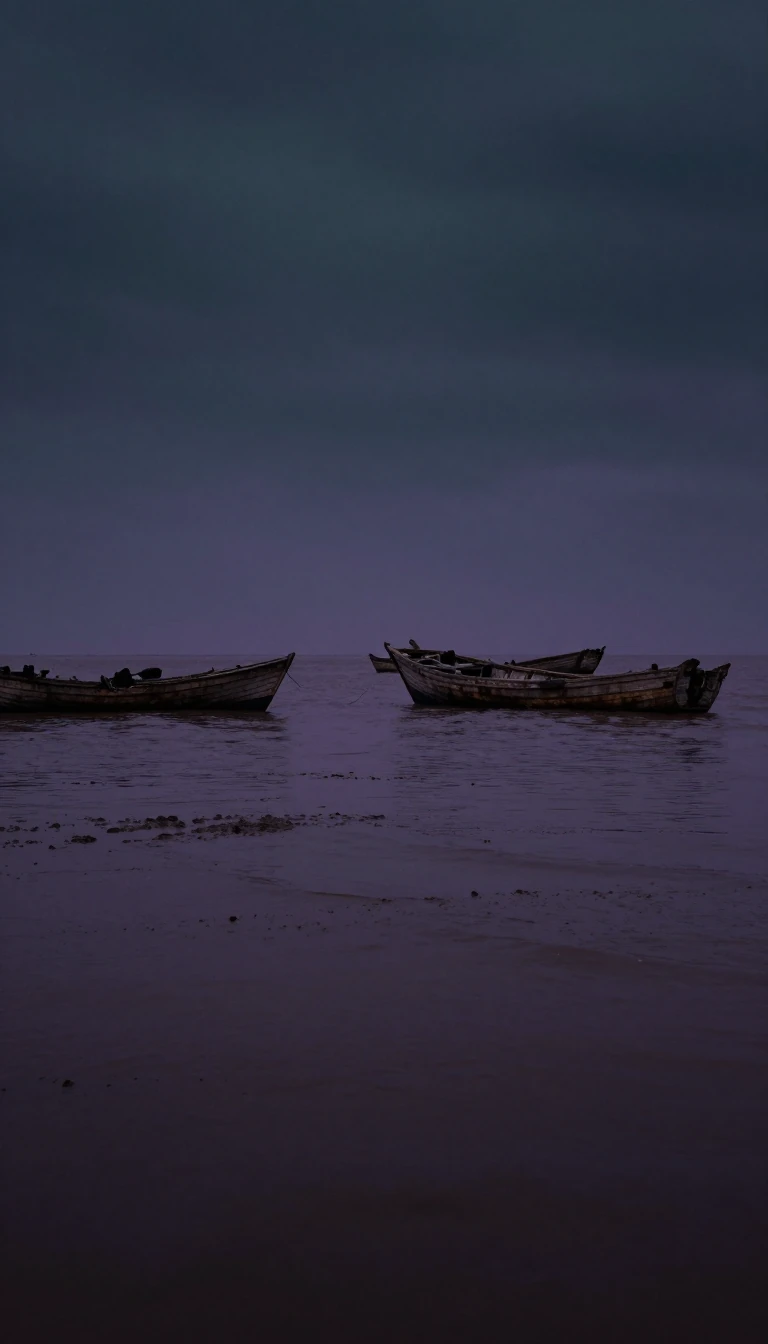
In short: Spanning over 25 kilometers, the Hirakud Dam in Odisha, India, is a monumental feat of engineering designed to tame the Mahanadi River. Yet, beneath its vast reservoir lie the remnants of over 200 temples and the stories of thousands of displaced families, resurfacing only when the summer heat recedes.
Completed in 1957, the Hirakud Dam was one of India's first major multipurpose river valley projects following independence. Spanning 25.8 kilometers including its earthen dykes, it serves as a critical tool for flood control in the Mahanadi delta and provides irrigation for vast agricultural tracts. The project also functions as a significant hydroelectric hub, with plants at Burla and Chiplima generating power to support regional industrialization.
The human and cultural cost of this infrastructure was immense. Construction displaced nearly 22,000 families, with approximately 150,000 people affected by the project. Compensation proved contentious; while initial estimates allocated ₹120 million for those displaced, the final amount paid was only ₹33.2 million. Many families were evacuated from their homes without any compensation starting in 1956, a legacy that continues to influence local perspectives on water allocation and industrial usage.
Beyond the human impact, the reservoir serves as a unique ecological and historical site. When water levels drop during the summer, the ruins of submerged temples from the former village of Padmapur emerge, offering a glimpse into a lost landscape. The reservoir also hosts the unusual Cattle Island, where descendants of livestock left behind during the dam's construction have reverted to a wild, elusive state, thriving in the dense forest of a former hilltop.
Today, the dam faces modern challenges, including a 24% reduction in water holding capacity due to siltation. Conflicts over water rights have intensified, with farmers protesting the diversion of resources to industries at the expense of irrigation. Despite these tensions, the dam remains a landmark of post-independence development, even appearing on a 1960 hundred-rupee note as a symbol of the nation's industrial ambition.
Opens the Intellect+ feed with this card first. Swipe up for the next one.
Sources
- Summary by Intellect · source: Hirakud Dam
- Also: Wikidata — Hirakud Dam · CC0
To cite this card, link to https://intellectplus.co.uk/app/places-hirakud-dam.
How we source, check and correct cards: Editorial standards.
General information, not professional advice. Spotted an error? Flag the card or see corrections and complaints.
Intellect Plus is a visual educational discovery platform for exploring fascinating facts and ideas. Brain Food, Not Brain Rot. What is Intellect Plus?
Related
More in Countries and other regions · More in Countries & Cities · Latest · A–Z · All topics
