How a Welsh Privateer Became a Caribbean Legend and Jamaica's Lieutenant Governor
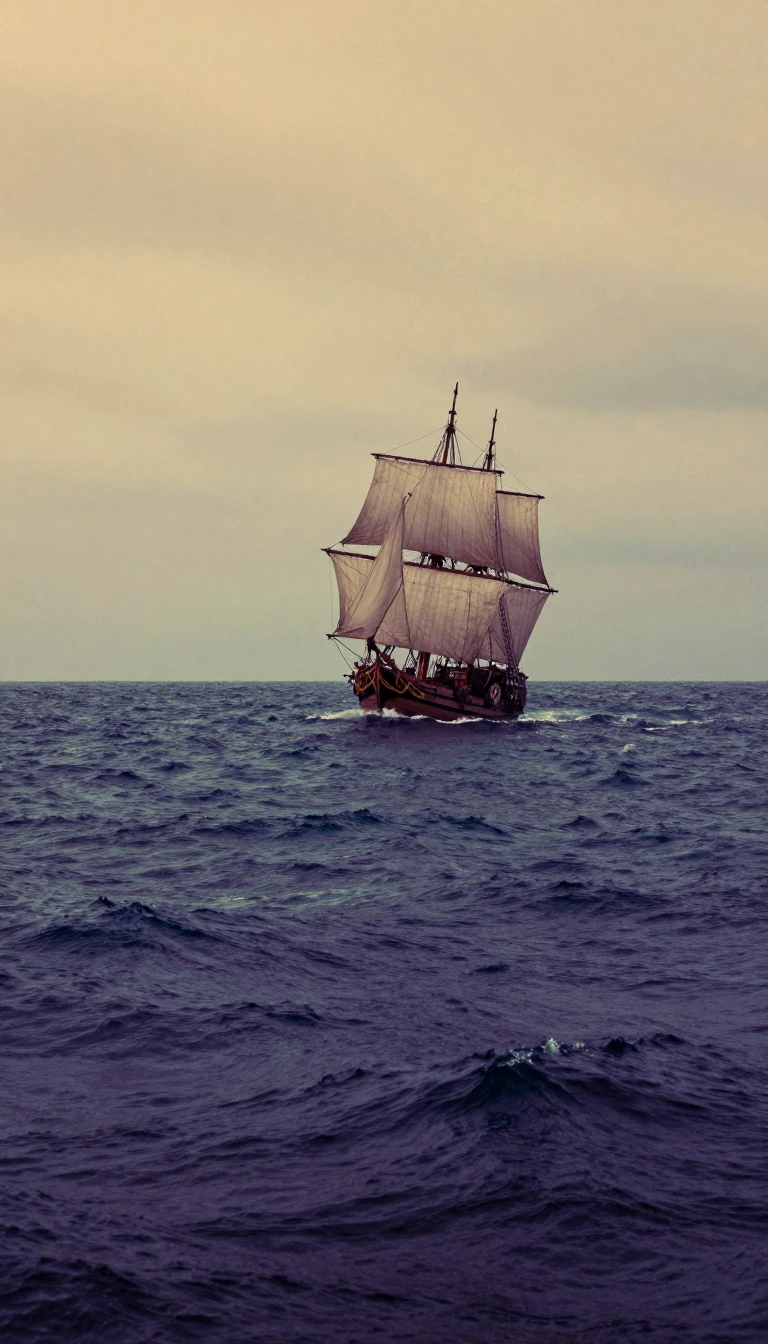
In short: Sir Henry Morgan was a master of maritime warfare who turned state-sanctioned piracy into a path to political power. From his base in Port Royal, he led daring raids against the Spanish Empire, amassing a fortune that transformed him from an obscure immigrant into a colonial leader and national hero.
Born around 1635 in Wales, Henry Morgan’s early life remains largely a mystery. Whether he arrived in the Caribbean as a soldier, an indentured servant, or a captive is debated by historians. By the 1660s, however, he had established himself as a formidable privateer. Operating under letters of marque issued by Jamaican Governor Sir Thomas Modyford, Morgan was legally empowered to attack Spanish vessels. While these commissions technically prohibited land assaults, Morgan frequently exploited loopholes, arguing that his raids were necessary preemptive strikes against Spanish threats to English territory.
Morgan’s military career was defined by audacity and tactical ingenuity. In 1668, he captured the heavily fortified city of Porto Bello by landing troops in canoes and scaling walls. A year later, during his campaign on Lake Maracaibo, he outmaneuvered a superior Spanish squadron by using a fire ship to destroy their flagship. His most ambitious operation occurred in 1671, when he led an expedition across the Panamanian isthmus to sack Panama City. Despite the operation occurring after a peace treaty had been signed, Morgan’s subsequent arrest and summons to London resulted in a favorable reception by King Charles II, who eventually knighted him in 1674.
The legacy of Morgan is complicated by the accounts of his former shipmate, Alexandre Exquemelin, whose memoir accused him of brutal torture and the use of human shields. Although Morgan successfully sued for libel in England, these claims colored his historical reputation. Despite the controversy, Morgan’s influence was undeniable; he served as lieutenant governor of Jamaica and became a wealthy plantation owner. After his death in 1688, he transitioned from a historical figure into an enduring archetype of pirate fiction, leaving behind a life that bridged the gap between state-sanctioned violence and colonial governance.
Opens the Intellect+ feed with this card first. Swipe up for the next one.
Sources
- Summary by Intellect · source: Henry Morgan
- Also: Wikidata — Henry Morgan · CC0
To cite this card, link to https://intellectplus.co.uk/app/places-henry-morgan.
How we source, check and correct cards: Editorial standards.
General information, not professional advice. Spotted an error? Flag the card or see corrections and complaints.
Intellect Plus is a visual educational discovery platform for exploring fascinating facts and ideas. Brain Food, Not Brain Rot. What is Intellect Plus?
Related
More in Countries and other regions · More in Countries & Cities · Latest · A–Z · All topics
