Why these two Albanian cities are rare architectural treasures of the Ottoman era
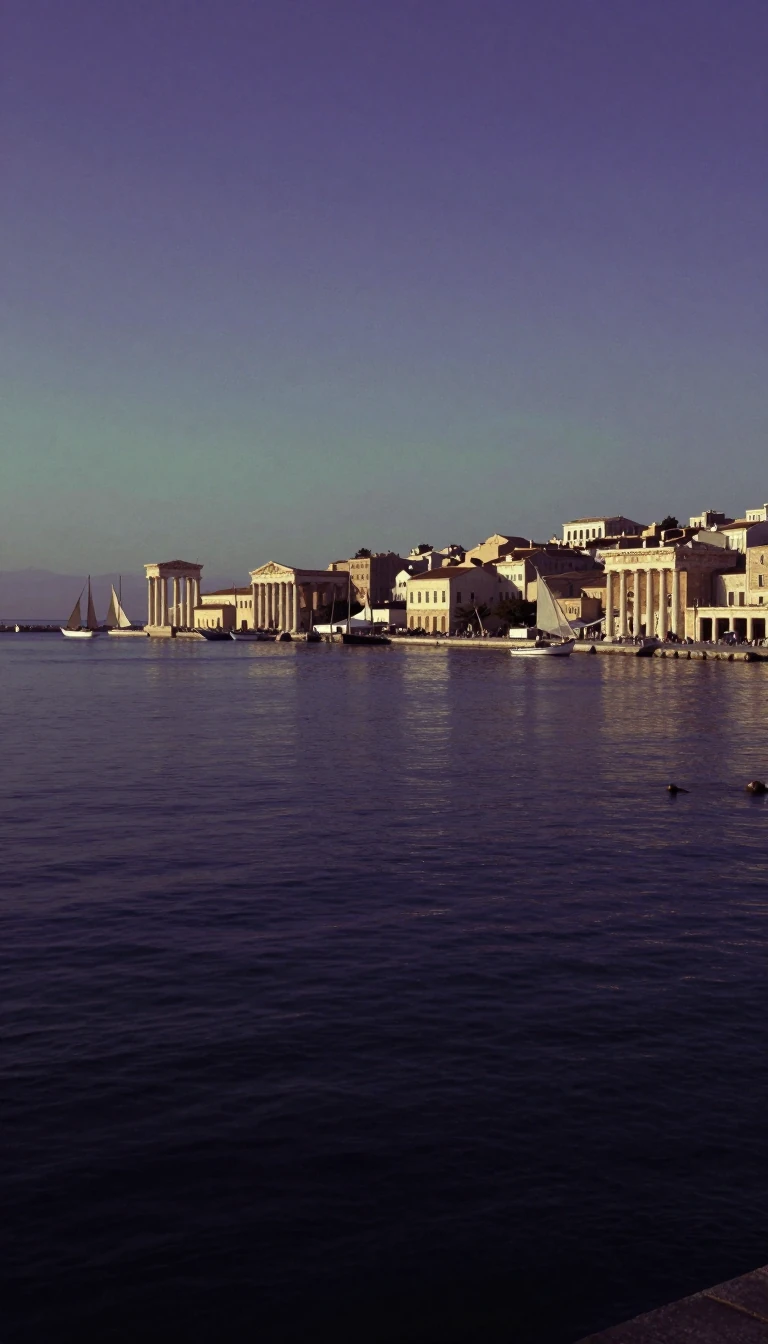
In short: In southern Albania, the historic cities of Berat and Gjirokastër stand as preserved monuments to a bygone age. Known for their distinct Ottoman-era architecture, these urban centers offer a rare glimpse into centuries of cultural layering, where diverse civilizations have left their mark on the landscape, stone, and spirit of the region.
Berat and Gjirokastër were inscribed as a UNESCO World Heritage site to recognize their exceptional architectural character, which remains a hallmark of the Ottoman period. Gjirokastër entered the list in 2005, followed by Berat in 2008 as an extension. Together, they represent a unique preservation of urban history that has survived the shifting tides of empires and regional conquests.
Berat, frequently called the city of a thousand windows, serves as a testament to Albania's architectural heritage. Its landscape is defined by a deep history of coexistence, where traces of Illyrian, Greek, Roman, and Byzantine influences sit alongside Ottoman structures. Visitors can find well-preserved castles, historic mansions, and religious sites featuring intricate wall paintings, icons, and murals. This city is celebrated not just for its physical beauty, but for its long-standing tradition of peaceful coexistence between different religions and communities throughout the centuries.
In contrast, Gjirokastër is known as the city of stone. It is situated on the steep slopes of the Drino River valley, framed by mountains that provide a dramatic backdrop to its picturesque stone architecture. Like Berat, Gjirokastër acts as a repository for the architectural treasures of the various civilizations that once dominated the region. The city’s layout and construction reflect a deep integration with the rugged terrain, creating a historic landscape that remains a significant point of interest for those studying the evolution of Balkan urbanism under Ottoman influence.
The importance of these sites lies in their ability to maintain a tangible connection to the past. While many cities have lost their historic cores to modernization, Berat and Gjirokastër have retained the structural essence of their diverse cultural heritage. By protecting these urban centers, Albania preserves a rare record of how different societies, religions, and architectural styles converged to create the unique character of the southern region, offering a window into the complex history of the Mediterranean.
Opens the Intellect+ feed with this card first. Swipe up for the next one.
Sources
- Summary by Intellect · source: Historic Centres of Berat and Gjirokastër
To cite this card, link to https://intellectplus.co.uk/app/places-historic-centres-of-berat-and-gjirokast-r.
How we source, check and correct cards: Editorial standards.
General information, not professional advice. Spotted an error? Flag the card or see corrections and complaints.
Intellect Plus is a visual educational discovery platform for exploring fascinating facts and ideas. Brain Food, Not Brain Rot. What is Intellect Plus?
Related
More in World Heritage Sites · More in Countries & Cities · Latest · A–Z · All topics
