Why this Brazilian city is considered the most Portuguese place in South America
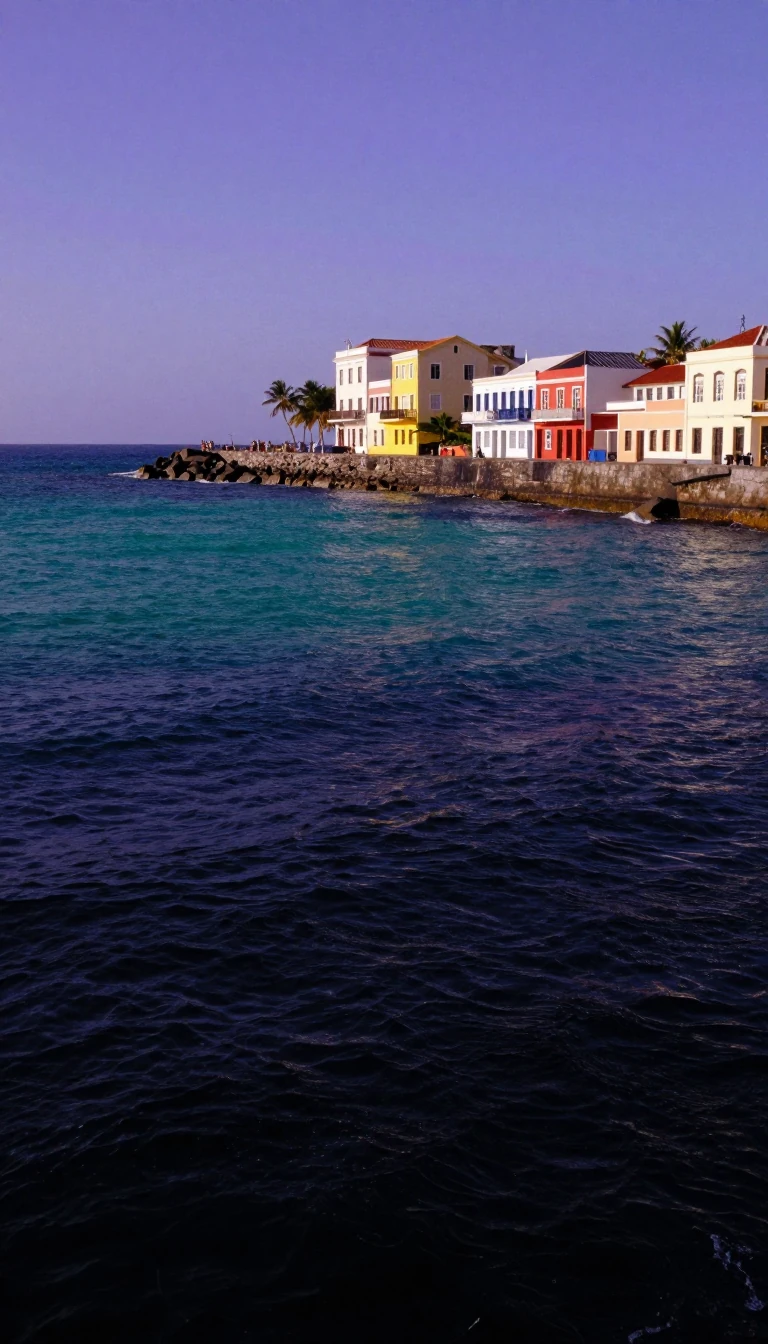
In short: São Luís, the capital of Maranhão, preserves a rare, harmonious urban fabric from the 18th and 19th centuries. Unlike other colonial cities, its streets are defined by thousands of residential townhouses rather than church squares, creating a unique, climate-adapted architectural landscape that earned it UNESCO World Heritage status in 1997.
The city of São Luís occupies a strategic position on the Island of São Luís within the Bay of São Marcos. Its origins are complex, beginning with a small Portuguese-Spanish settlement in 1531 before falling under French control in 1612. Although the French occupation was short-lived, the Portuguese regained authority in 1615 and tasked engineer Francisco Frias de Mesquita with a grid-based city plan. This layout proved remarkably resilient, guiding urban expansion even during the 18th and 19th-century cotton booms.
The architecture of the Historic Centre is defined by the 'sobrado', a Portuguese-style townhouse designed to mitigate the hot, humid equatorial climate. To protect adobe facades from the elements, builders covered them in 'azulejos'—decorative, waterproof tiles—which now form the largest collection of their kind in Brazil. These structures are built flush with the street, often featuring 'L' or 'U' shapes with large roofs and shutters to encourage airflow. Unlike other Brazilian colonial centers, the city’s churches are integrated directly into this dense residential fabric rather than dominating the skyline from open plazas.
The area spans 220 hectares and contains approximately 4,000 protected properties. While the city saw periods of Dutch occupation in the 17th century, the lasting character of the center remains a testament to Portuguese colonial influence. Today, the site serves as a preserved portrait of that era, housing significant landmarks like the Leões Palace and the Casa das Minas. UNESCO recognized this exceptional testimony to cultural tradition in December 1997, highlighting the city's ability to maintain its historic integrity while serving as a living, functional capital.
Opens the Intellect+ feed with this card first. Swipe up for the next one.
Sources
- Summary by Intellect · source: Historic Centre of São Luís
- Also: Wikidata — Historic Centre of São Luís · CC0
To cite this card, link to https://intellectplus.co.uk/app/places-historic-centre-of-s-o-lu-s.
How we source, check and correct cards: Editorial standards.
General information, not professional advice. Spotted an error? Flag the card or see corrections and complaints.
Intellect Plus is a visual educational discovery platform for exploring fascinating facts and ideas. Brain Food, Not Brain Rot. What is Intellect Plus?
Related
More in World Heritage Sites · More in Countries & Cities · Latest · A–Z · All topics
