Shkodër: The ancient Balkan fortress that survived empires, sieges, and communist demolition
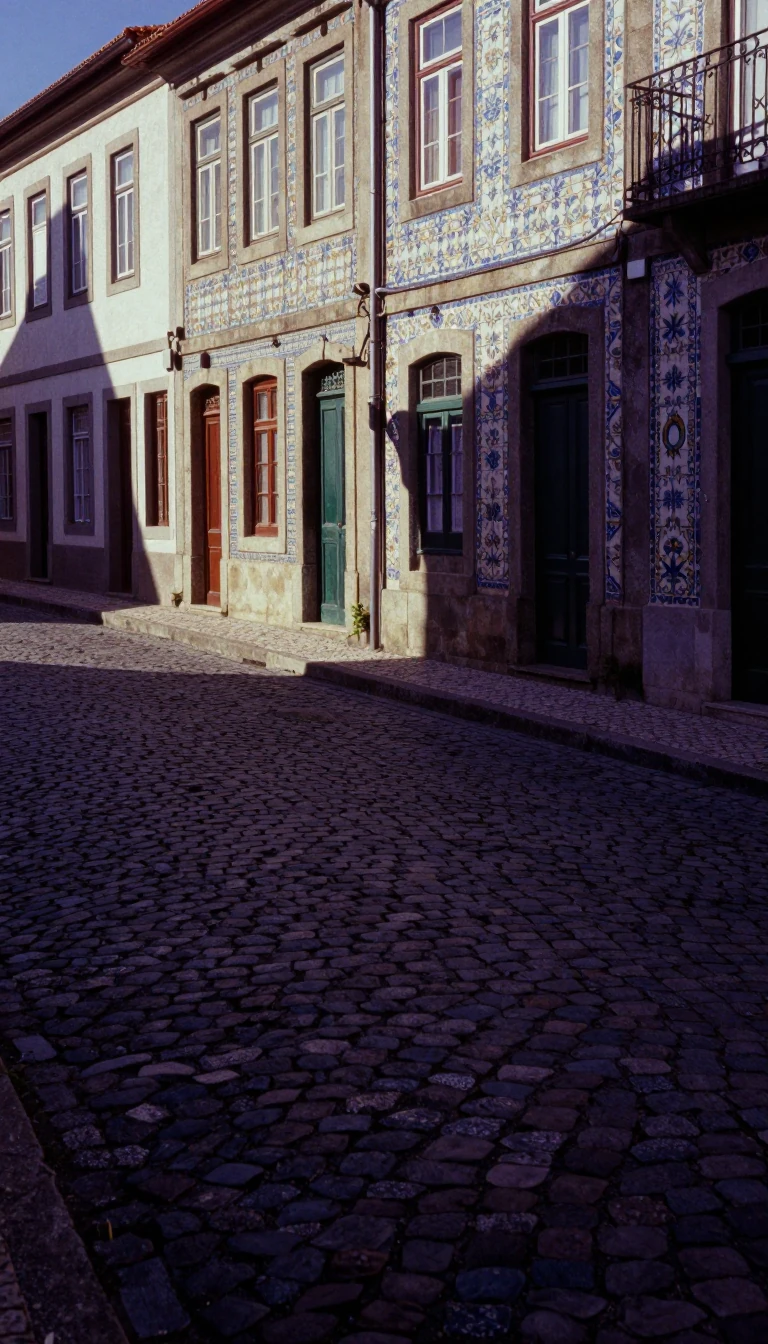
In short: Perched between the Albanian Alps and the largest lake in Southern Europe, Shkodër has endured for over 2,200 years. From its origins as an Illyrian capital to its role as a cultural beacon and a target of relentless sieges, this city remains a resilient symbol of northern Albania's complex history.
Founded in the 4th century BCE by the Illyrian tribe of Labeatae, Shkodër has served as a strategic crossroads for millennia. Its location on a 130-meter hill overlooking the confluence of the Buna, Drin, and Kir rivers made it a coveted prize for Romans, Byzantines, and Ottomans. After the Romans annexed the city in 168 BC, it evolved into a vital administrative center, eventually becoming the capital of the Roman province of Praevalitana. By the medieval period, it shifted through the hands of Serbian rulers and the Republic of Venice, which left behind the enduring Rozafa Castle.
Under Ottoman rule, which began in 1479 after a brutal siege, Shkodër transformed into a thriving economic hub. By the 18th and 19th centuries, it was a center of trade, craftsmanship, and intellectual life, producing influential figures who shaped the Albanian Renaissance. The city’s religious diversity—characterized by a long-standing tolerance between its Muslim, Catholic, and Orthodox populations—became a defining feature of its identity. During this era, it was a bustling marketplace with thousands of shops, serving as a vital link between the Adriatic coast and the Balkan interior.
The 20th century brought profound turbulence. Shkodër was a focal point of the Balkan Wars and subsequent occupations by Montenegrin, Austro-Hungarian, and French forces. Following the establishment of the communist regime under Enver Hoxha, the city suffered significant cultural and economic loss, including the systematic demolition of its historic bazaar and port. Despite this, Shkodër remained a center of resistance, eventually becoming a major site for the democratic movements of the early 1990s that ended communist rule. Today, it is recognized as a key cultural capital, balancing its ancient heritage with modern efforts to reclaim its status as a vibrant regional center.
Opens the Intellect+ feed with this card first. Swipe up for the next one.
Sources
- Summary by Intellect · source: Shkodër
- Also: Wikidata — Shkodër · CC0
To cite this card, link to https://intellectplus.co.uk/app/places-shkod-r.
How we source, check and correct cards: Editorial standards.
General information, not professional advice. Spotted an error? Flag the card or see corrections and complaints.
Intellect Plus is a visual educational discovery platform for exploring fascinating facts and ideas. Brain Food, Not Brain Rot. What is Intellect Plus?
Related
More in Cities · More in Countries & Cities · Latest · A–Z · All topics
