How a medieval Russian republic escaped Mongol destruction to preserve its unique architectural heritage
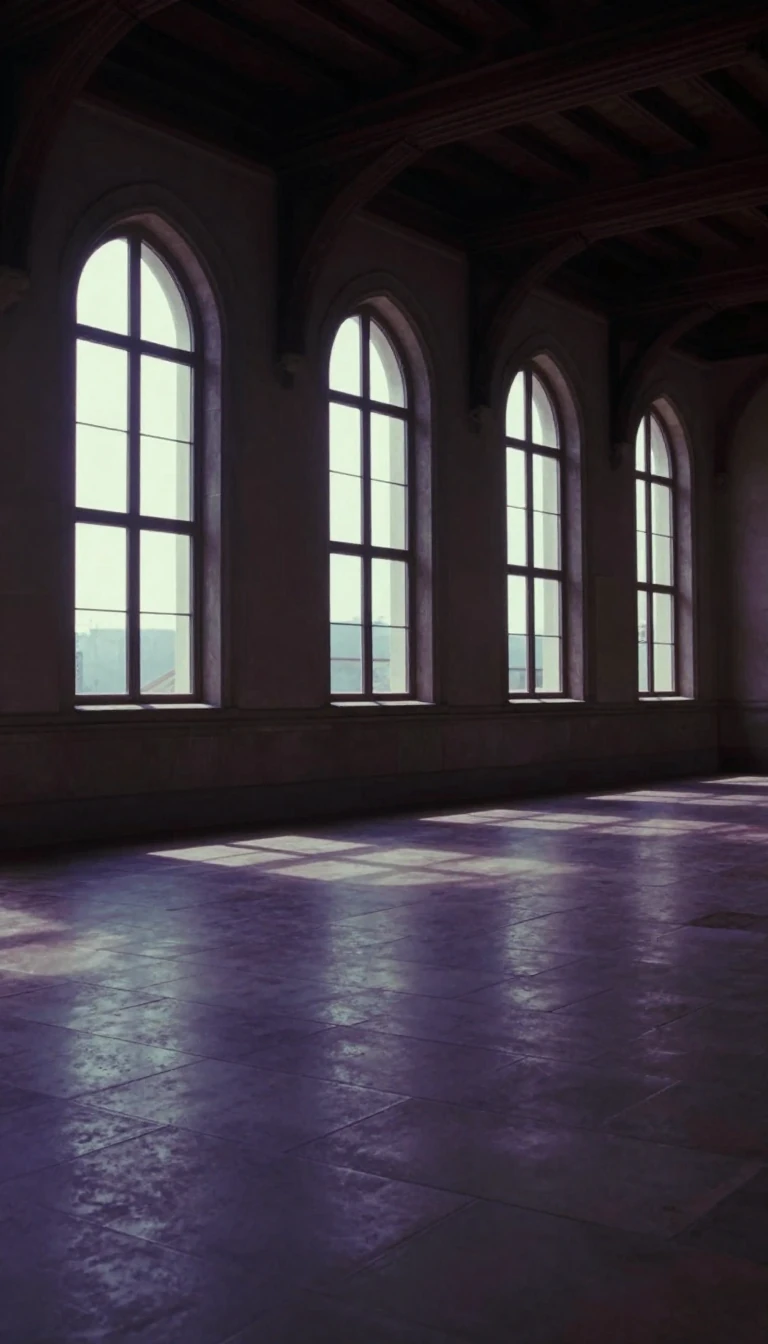
In short: While much of medieval Rus fell to Mongol invasions, Novgorod remained largely untouched. This isolation allowed the city to flourish as a cultural powerhouse, fostering the birth of Russian whitestone architecture and painting. Today, its surviving medieval monuments offer a rare, preserved glimpse into a sophisticated, self-governing republic.
Between the 9th and 15th centuries, Novgorod stood as one of the most significant cities in medieval Rus. Positioned strategically on the trade route connecting the Varangians to the Greeks, it served as the heart of the Novgorod Republic. Unlike other regions, Novgorod maintained a unique political structure starting in the 12th century, functioning as a republic where the city population made decisions through the veche, a public assembly, and elected their own prince. Only Pskov shared a similar organizational model during this era.
Because Novgorod was spared from the Mongol invasions that devastated other parts of Rus, it became a sanctuary for artistic and architectural continuity. While construction stalled elsewhere, Novgorod saw an explosion of ecclesiastical building projects throughout the 14th century. This period saw the origins of distinct Russian whitestone architecture and painting styles. The city was also a major intellectual hub, producing the earliest known Russian manuscripts in the 11th century and hosting influential figures like the painter Theophanes the Greek.
The Historic Monuments of Novgorod and Surroundings, inscribed as a World Heritage Site in 1992, encompasses a vast array of these structures. The collection includes diverse sites ranging from the 12th-century ruins of the Annunciation Church in Gorodishche to the 16th-century Alexios Tower. Many of these monuments, such as the 1433 Chamber of Facets and the 1374 Church of the Transfiguration on Ilyina Street, are now managed by the Novgorod Museum Reserve. These sites collectively illustrate the city's long-standing role as a seat of the archbishop and a center of Russian cultural development.
Opens the Intellect+ feed with this card first. Swipe up for the next one.
Sources
- Summary by Intellect · source: Historic Monuments of Novgorod and Surroundings
To cite this card, link to https://intellectplus.co.uk/app/places-historic-monuments-of-novgorod-and-surroundings.
How we source, check and correct cards: Editorial standards.
General information, not professional advice. Spotted an error? Flag the card or see corrections and complaints.
Intellect Plus is a visual educational discovery platform for exploring fascinating facts and ideas. Brain Food, Not Brain Rot. What is Intellect Plus?
Related
More in World Heritage Sites · More in Countries & Cities · Latest · A–Z · All topics
