How Japanese mountain villages survived isolation by building houses that look like praying hands.
In short: Deep in the Shogawa river valley, three remote villages developed a unique architectural tradition to survive heavy snow and limited space. The gasshō-zukuri farmhouses, named for their resemblance to hands joined in prayer, are multi-story marvels that once powered a thriving silkworm industry and sustained entire extended families.
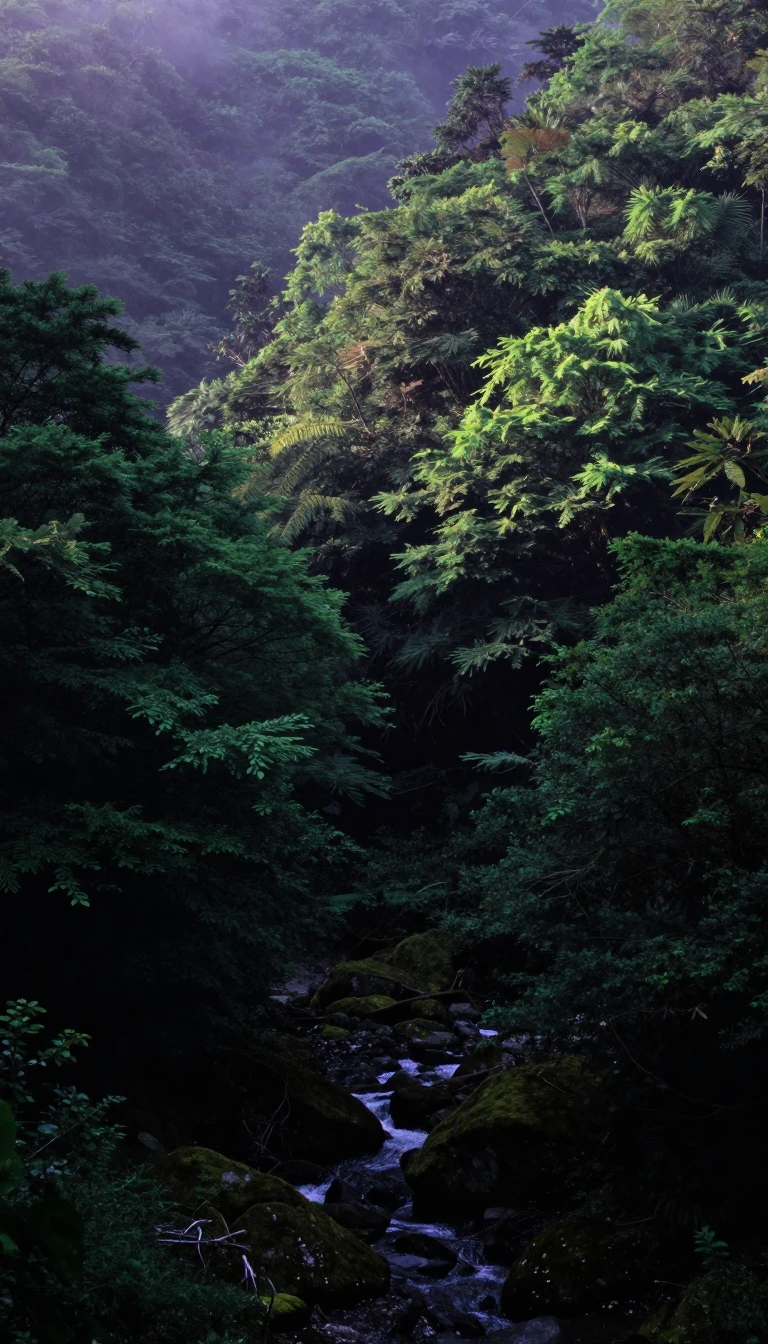
The Historic Villages of Shirakawa-gō and Gokayama, located in central Japan, were long considered the last unexplored region of the country. Isolated by rugged mountains reaching 1,500 metres, these communities remained largely cut off from the outside world until the 1950s. This seclusion fostered a distinct culture, including the development of gasshō-zukuri architecture, a style designed to shed heavy winter snow from steeply slanting thatched roofs.
These massive houses were built to maximize limited space in a valley where 96% of the land is forested. The multi-level interiors were essential for subsistence, with upper stories dedicated to sericulture—a side industry that thrived from the late 17th century until the 1970s—and lower levels used for producing nitre for gunpowder. The construction of these homes is a testament to communal resilience, maintained through 'yui,' a traditional system of unpaid, collective labor used for re-thatching roofs every 30 to 40 years.
Today, the villages of Ogimachi, Ainokura, and Suganuma are UNESCO World Heritage Sites, recognized for their perfect adaptation to a harsh environment. Preservation is a constant, collaborative effort between the Japanese government and local residents. Because the thatched structures are highly flammable, the villages are equipped with sophisticated fire-extinguishing systems, and residents maintain organized fire-fighting squads to protect these rare, historic buildings for future generations.
The survival of these villages highlights a delicate balance between tradition and modernization. While the original economic drivers like sericulture have vanished, the communities continue to adapt. The site is protected by strict regulations within a massive 545.38 square kilometre buffer zone, ensuring that the landscape remains as it was when these villages served as centers for mountain worship and ascetic religious practices dating back to the 8th century.
Opens the Intellect+ feed with this card first. Swipe up for the next one.
Sources
- Summary by Intellect · source: Historic Villages of Shirakawa-gō and Gokayama
To cite this card, link to https://intellectplus.co.uk/app/places-historic-villages-of-shirakawa-g-and-gokayama.
How we source, check and correct cards: Editorial standards.
General information, not professional advice. Spotted an error? Flag the card or see corrections and complaints.
Intellect Plus is a visual educational discovery platform for exploring fascinating facts and ideas. Brain Food, Not Brain Rot. What is Intellect Plus?
Related
More in World Heritage Sites · More in Countries & Cities · Latest · A–Z · All topics
