Why the rugged peaks of Machu Picchu act as a sanctuary for ancient life
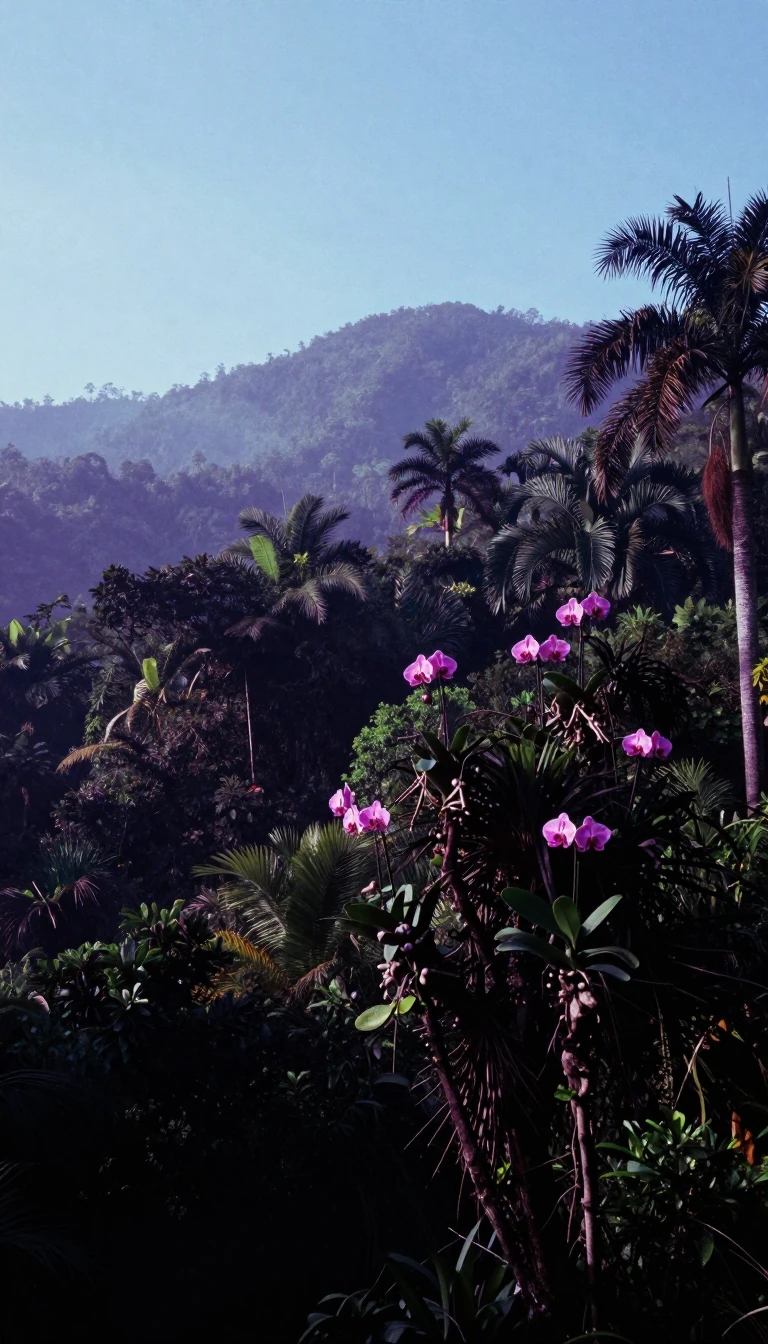
In short: Machu Picchu is more than an iconic Inca citadel; it is a sprawling 35,000-hectare sanctuary of extreme biodiversity. By shielding rare species from harsh climatic shifts, these dramatic Andean ridges have served as a vital refuge for life, preserving unique ecosystems that span from snow-capped peaks to tropical rainforests.
The Historic Sanctuary of Machu Picchu encompasses a remarkable altitudinal range, stretching from tropical rainforests at 1,700 meters to eternal snows above 4,000 meters. This vertical diversity creates a complex mosaic of 24 distinct ecosystems. The region is defined by its rugged topography, where mountain ridges fan out from the Urubamba Valley, framed by the towering Vilcanota and Vilcabamba ranges. These peaks, including the 6,271-meter Salkantay, act as a physical barrier against cold polar winds known as friajes. By providing stable microclimates, these ridges have allowed endemic species to persist through periods of global climatic instability.
This geographic protection supports an extraordinary density of life. The sanctuary is home to 444 bird species, 75 types of mammals, and hundreds of varieties of orchids and trees. Among the protected inhabitants are the Andean bear, the highland quetzal, and the cock-of-the-rock. Botanical treasures include the wacanki and wiñay wayna orchids, the latter of which translates from Quechua to mean 'forever young.' The sanctuary’s boundaries were carefully drawn to encompass entire sub-basins, ensuring that the natural habitat remains intact alongside the archaeological sites linked by the famous Inca Trail.
The climate within the sanctuary is typically subtropical, characterized by warm, humid days and cool nights. While temperatures at the highest peaks can be freezing, the valley floors maintain a milder range, generally between 8 °C and 22 °C. This environmental predictability is key to the area's role as a biological reservoir. Scientists suggest that the high concentration of endemic bird species in the tropical Andes is not accidental; rather, these populations are remnants that survived past glacial periods specifically because they occupied these well-protected, stable pockets of the landscape. Today, the sanctuary serves as both a monument to human history and a critical stronghold for the natural world.
Opens the Intellect+ feed with this card first. Swipe up for the next one.
Sources
- Summary by Intellect · source: Historic Sanctuary of Machu Picchu
To cite this card, link to https://intellectplus.co.uk/app/places-historic-sanctuary-of-machu-picchu.
How we source, check and correct cards: Editorial standards.
General information, not professional advice. Spotted an error? Flag the card or see corrections and complaints.
Intellect Plus is a visual educational discovery platform for exploring fascinating facts and ideas. Brain Food, Not Brain Rot. What is Intellect Plus?
Related
More in World Heritage Sites · More in Countries & Cities · Latest · A–Z · All topics
