Beyond the North Wind: The Mythical Land of the Eternal Sun
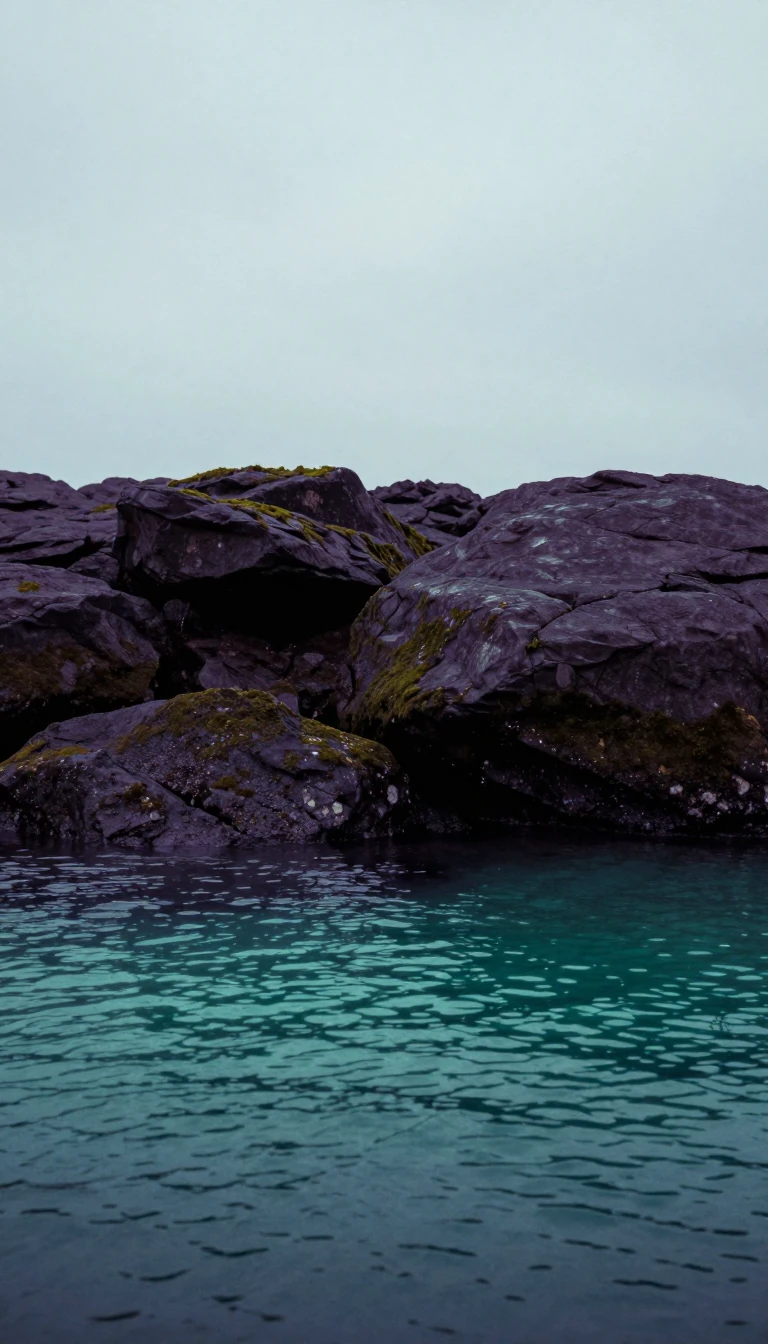
In short: To the ancient Greeks, Hyperborea was a blessed, temperate paradise hidden beyond the snowy Riphean Mountains. While some writers dismissed it as pure fantasy, others spent centuries trying to map this mysterious land, eventually equating it with real-world locations like Britain, Scandinavia, or the vast, frozen reaches of Siberia.
The Hyperboreans were a mythical people believed to live in the far north, their name derived from the Greek for 'beyond Boreas,' the god of the north wind. Despite the frigid reputation of the region, their home was described as a sunny, divinely favored utopia. Ancient legends claimed they were the favorites of Apollo, who supposedly spent his winters among them. These people were said to live for a thousand years in complete happiness, and their land was often associated with the 'midnight sun,' suggesting a location within or near the Arctic Circle.
The search for Hyperborea occupied many ancient minds, with geographers and poets constantly shifting its location. Herodotus, writing around 450 BC, placed it in Northeast Asia, while others identified the Riphean Mountains—the barrier shielding the land—with the Alps, the Urals, or the Caucasus. By the 4th century BC, Hecataeus of Abdera famously identified Hyperborea with Britain, speculating that a spherical temple found there, which some modern scholars link to Stonehenge, was dedicated to Apollo. Later, in the 17th century, Swedish thinkers used the myth to bolster 'Gothicism,' claiming Scandinavia was the true Hyperborean land.
The myth was also populated by extraordinary figures. Legends spoke of the Boreades, giant kings standing about 10 feet tall, who ruled the land as priests. Other tales featured the healer Abaris or the maidens Hyperoche and Laodice, who were said to have delivered sacred offerings to Delos. While some accounts, such as Theopompus's story of a failed invasion by soldiers from Meropis, were likely satirical, the concept of Hyperborea remained a powerful symbol of remoteness and exoticism. It served as a blank canvas for ancient writers to project their ideals of a golden age, effectively transforming the unknown northern wilderness into a mirror of their own cultural aspirations.
Opens the Intellect+ feed with this card first. Swipe up for the next one.
Sources
- Summary by Intellect · source: Hyperborea
- Also: Wikidata — Hyperborea · CC0
- Also: Wikidata — Hyperborea · CC0
To cite this card, link to https://intellectplus.co.uk/app/places-hyperborea.
How we source, check and correct cards: Editorial standards.
General information, not professional advice. Spotted an error? Flag the card or see corrections and complaints.
Intellect Plus is a visual educational discovery platform for exploring fascinating facts and ideas. Brain Food, Not Brain Rot. What is Intellect Plus?
Related
More in Basics · More in Countries & Cities · Latest · A–Z · All topics
