The 'Red Ascent' where sewage was used as a tool of displacement
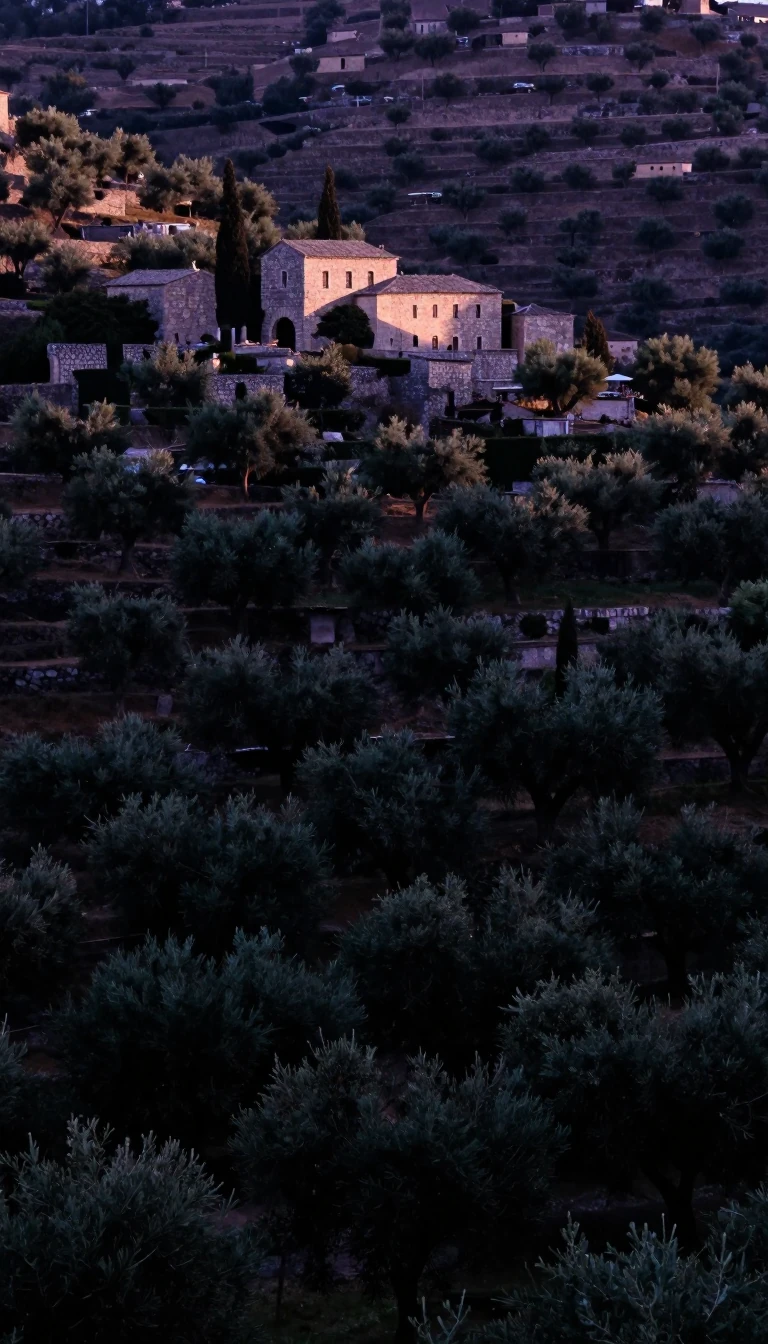
In short: Ma'ale Adumim is often framed as a pragmatic suburb for Jerusalem residents seeking affordable housing. Yet, its history reveals a more calculated strategy: a government-sanctioned effort to create "facts on the ground" through industrial ruses, strategic bypasses, and even the deliberate flooding of neighboring lands with waste.
The establishment of Ma'ale Adumim in the 1970s was characterized by political maneuvering. While it was officially pitched as an industrial zone for Jerusalem to house workers, critics like Gershom Gorenberg argued this was a 'ruse' to establish a permanent civilian settlement. The project received a green light in November 1975 as a response to the Rabat Summit, which recognized the PLO. To avoid diplomatic friction with Henry Kissinger during his shuttle diplomacy, officials even timed the construction of camps on the site to coincide with his transit movements.
The expansion of the settlement has had profound consequences for local populations. Roughly 1,050 Jahalin Bedouins lost their territory during the late 1990s after it became part of the city's annexed area. The Israeli Civil Administration used a specific tactic: disconnecting sewage pipes from the hilltop settlement to flood the lower slopes with polluted matter, forcing the tribe to relocate. This resulted in the end of their traditional pastoral way of life and forced them to sell most of their livestock.
Today, Ma'ale Adumim serves as a strategic hub between northern and southern West Bank regions. While Palestinians view it as a threat to territorial continuity, many residents—who moved there primarily for lower-cost housing rather than ideology—view it as an economic necessity. The city maintains a low unemployment rate of 2.1% and houses over 220 businesses in its industrial park, all while remaining at the center of a deep international legal dispute regarding the legality of settlements in the West Bank.
The town's name itself evokes ancient boundaries, derived from the Book of Joshua to describe the 'Red Ascent.' This refers to the iron oxide-tinted limestone rocks that line the path from the Dead Sea toward Jerusalem. Despite its modern urban layout, every hectare added to the city’s 4,350-hectare boundary remains a point of contention over land rights and regional geography.
Opens the Intellect+ feed with this card first. Swipe up for the next one.
Sources
- Summary by Intellect · source: Ma'ale Adumim
- Also: Wikidata — Ma'ale Adumim · CC0
To cite this card, link to https://intellectplus.co.uk/app/places-ma-ale-adumim.
How we source, check and correct cards: Editorial standards.
General information, not professional advice. Spotted an error? Flag the card or see corrections and complaints.
Intellect Plus is a visual educational discovery platform for exploring fascinating facts and ideas. Brain Food, Not Brain Rot. What is Intellect Plus?
Related
More in Land relief · More in Countries & Cities · Latest · A–Z · All topics
