The lost echoes of the Hurrian language and the Bronze Age collapse
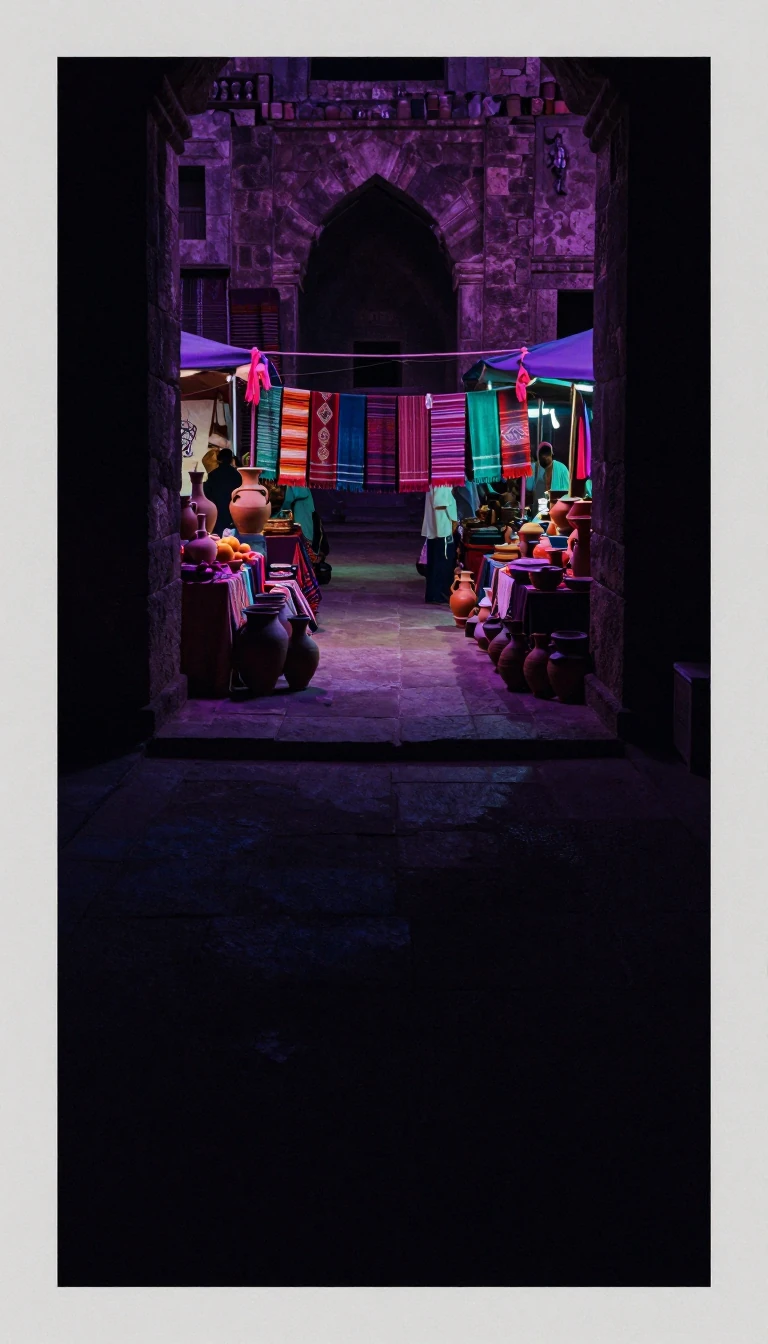
In short: Spoken across northern Mesopotamia and Syria, Hurrian was the tongue of the Mitanni kingdom. Despite its complex grammar and deep history, it vanished during the Bronze Age collapse, leaving behind only fragments of spells, letters, and names for modern scholars to piece together.
Hurrian was an extinct Hurro-Urartian language, closely related to the language of the ancient kingdom of Urartu. While its exact origins remain a subject of scholarly debate, some researchers have proposed links to Indo-European, Kartvelian, or even 'Sino-Caucasian' language families, though none of these connections are universally accepted. The speakers likely entered northern Mesopotamia around 2300 BC and were a significant presence in regions like Yamhad by 1725 BC.
The language is characterized by a complex system of 13 cases and a phenomenon known as Suffixaufnahme, where dependent modifiers share the case suffixes of the noun they modify. It is an ergative language, meaning the subject of an intransitive verb and the object of a transitive verb share the same case—the absolutive. Interestingly, the language lacked a voiced-voiceless distinction, though certain consonants might have had voiced allophones in specific phonetic environments.
The demise of the Hurrian language was a gradual process. In the 13th century BC, the Mitanni empire faced invasions from the Hittites to the west and the Assyrians to the south. Ultimately, the arrival of the Sea Peoples in the following century brought a swift end to the remaining vestiges of the language, a period of upheaval known as the Bronze Age collapse. Today, our understanding of Hurrian relies on texts found in sites like Hattusha, Mari, and Ugarit, as well as the famous Mitanni letter found at Amarna.
Opens the Intellect+ feed with this card first. Swipe up for the next one.
Sources
- Summary by Intellect · source: Hurrian language
- Also: Wikidata — Hurrian · CC0
- Also: www.britannica.com — Hurrian language | Hurrian language | Ancient, Anatolia, Cuneiform | Britannica
To cite this card, link to https://intellectplus.co.uk/app/places-hurrian-language.
How we source, check and correct cards: Editorial standards.
General information, not professional advice. Spotted an error? Flag the card or see corrections and complaints.
Intellect Plus is a visual educational discovery platform for exploring fascinating facts and ideas. Brain Food, Not Brain Rot. What is Intellect Plus?
Related
More in Cities · More in Countries & Cities · Latest · A–Z · All topics
