Why a massive, record-breaking hurricane failed to destroy North Carolina's vital shrimp industry
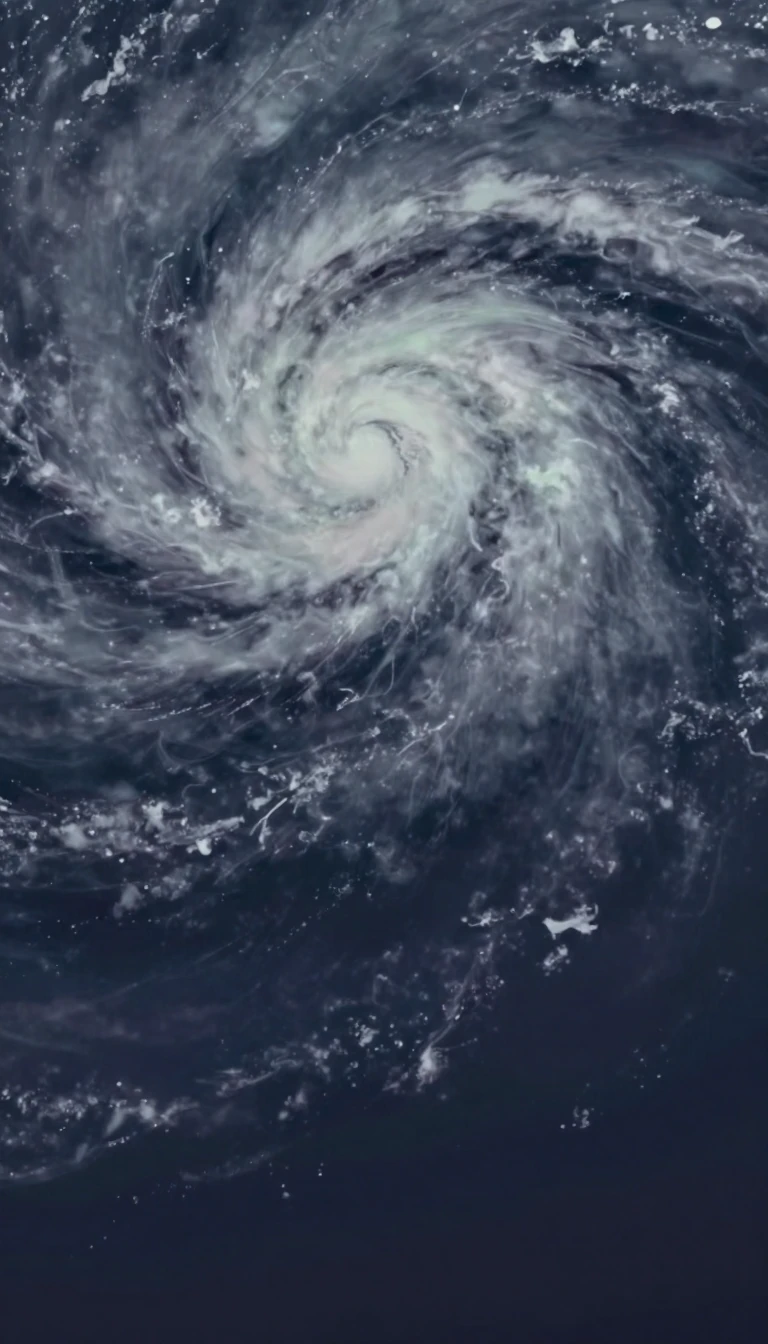
In short: When Hurricane Floyd struck in 1999, experts predicted a total collapse of North Carolina's coastal fisheries due to massive sewage and sediment runoff. Yet, the industry defied these grim forecasts, recording its most productive year in decades. The storm remains a masterclass in how nature often defies our worst expectations.
Hurricane Floyd made landfall in North Carolina on September 15, 1999, following a saturated period caused by Hurricane Dennis just ten days earlier. Spanning 580 miles, the storm was nearly twice the size of typical Atlantic hurricanes. While its winds reached 130 miles per hour, the true catastrophe unfolded after the storm passed. As the winds subsided, the Tar, Neuse, Roanoke, and Pamlico Rivers surged, rising at rates of 6 to 8 inches per hour and overwhelming urban centers.
The flooding was classified as a 500-year event, meaning it had only a 0.2 percent chance of occurring in any given year. The deluge submerged entire towns, such as Princeville, and caused widespread contamination as sewage plants were inundated. Initial damage estimates were approximately $1.3 billion, but as the scale of the destruction became clear, that figure climbed to about $6 billion. The disaster claimed 51 lives in the state, with many victims caught off guard by the rapidly rising waters after the storm's winds had already ceased.
Despite the dire predictions of massive fish kills and the total loss of the shrimp, crab, and fish industries, the coastal ecosystem proved remarkably resilient. Officials had anticipated a $19 million loss in the 1999 shrimp harvest, prompting the General Assembly to appropriate $11.4 million in aid. However, the anticipated ecological collapse never materialized. Instead, the shrimp fishery experienced its most successful year since record-keeping began in 1972, leaving scientists to grapple with the complex, long-term effects of such massive runoff on marine life.
Opens the Intellect+ feed with this card first. Swipe up for the next one.
Sources
- Summary by Intellect · source: Hurricane Floyd's Lasting Legacy - NASA Science
- Also: Hurricane Floyd
To cite this card, link to https://intellectplus.co.uk/app/places-hurricane-floyd.
How we source, check and correct cards: Editorial standards.
General information, not professional advice. Spotted an error? Flag the card or see corrections and complaints.
Intellect Plus is a visual educational discovery platform for exploring fascinating facts and ideas. Brain Food, Not Brain Rot. What is Intellect Plus?
Related
More in Cities · More in Countries & Cities · Latest · A–Z · All topics
