Why your local airport might call itself international without ever hosting a single flight
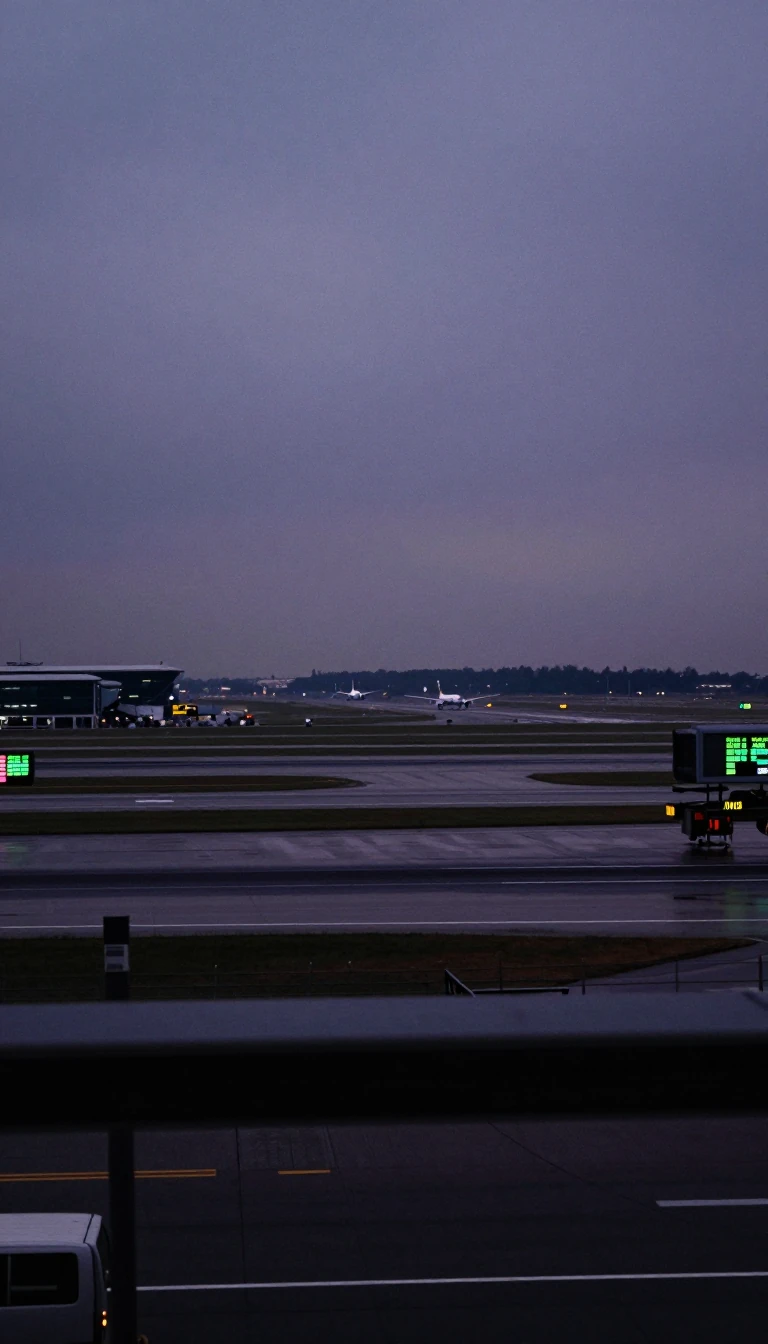
In short: An international airport is often defined by its infrastructure, not its schedule. While these hubs serve billions of passengers annually, the title can be a marketing term or a designation based on the presence of customs facilities, even if no international flights currently land or depart from the tarmac.
The evolution of international airports reflects a century of rapid technological and geopolitical change. The first scheduled international commercial service began in August 1919 at Hounslow Heath Aerodrome in London. By the second decade of the 21st century, the global network had expanded to over 1,200 international airports, facilitating the movement of approximately 3.8 billion international passengers as of January 2023. These facilities are among the most complex structures on Earth, requiring intricate coordination between engineers, architects, and government bodies to manage massive flows of people, cargo, and aircraft.
Naming conventions for these hubs often reveal deep cultural priorities. A study indicates that 44 percent of international airports are named after their geographic location, while 30 percent honor politicians. The remainder pay tribute to aviators, religious figures, scientists, and public figures. This toponymy can be highly symbolic, reflecting national pride or historical memory. For instance, some airports have been named after monarchs or revolutionary leaders, while others, like the Ninoy Aquino International Airport, serve as somber reminders of political history, named for a senator assassinated on the site in 1983.
Beyond the terminal, the modern international airport is a feat of logistical engineering. Managing these spaces involves balancing security, passenger efficiency, and environmental impact. Innovations like the 'sterile lounge' allow for centralized security, while some airports have integrated high-speed rail and complex bridge systems to connect to urban centers. Despite these advancements, the fundamental definition remains tied to regulatory capacity. Because customs and border control facilities can be established by law regardless of current flight volume, a facility like Bozeman Yellowstone International Airport can hold the title for over a decade without hosting a single scheduled international flight.
Opens the Intellect+ feed with this card first. Swipe up for the next one.
Sources
- Summary by Intellect · source: International airport
- Also: Wikidata — international airport · CC0
- Also: Wikidata — International Airport · CC0
To cite this card, link to https://intellectplus.co.uk/app/places-international-airport.
How we source, check and correct cards: Editorial standards.
General information, not professional advice. Spotted an error? Flag the card or see corrections and complaints.
Intellect Plus is a visual educational discovery platform for exploring fascinating facts and ideas. Brain Food, Not Brain Rot. What is Intellect Plus?
Related
More in Cities · More in Countries & Cities · Latest · A–Z · All topics
