For millennia, empires tried to slice through this narrow strip of Greek land.
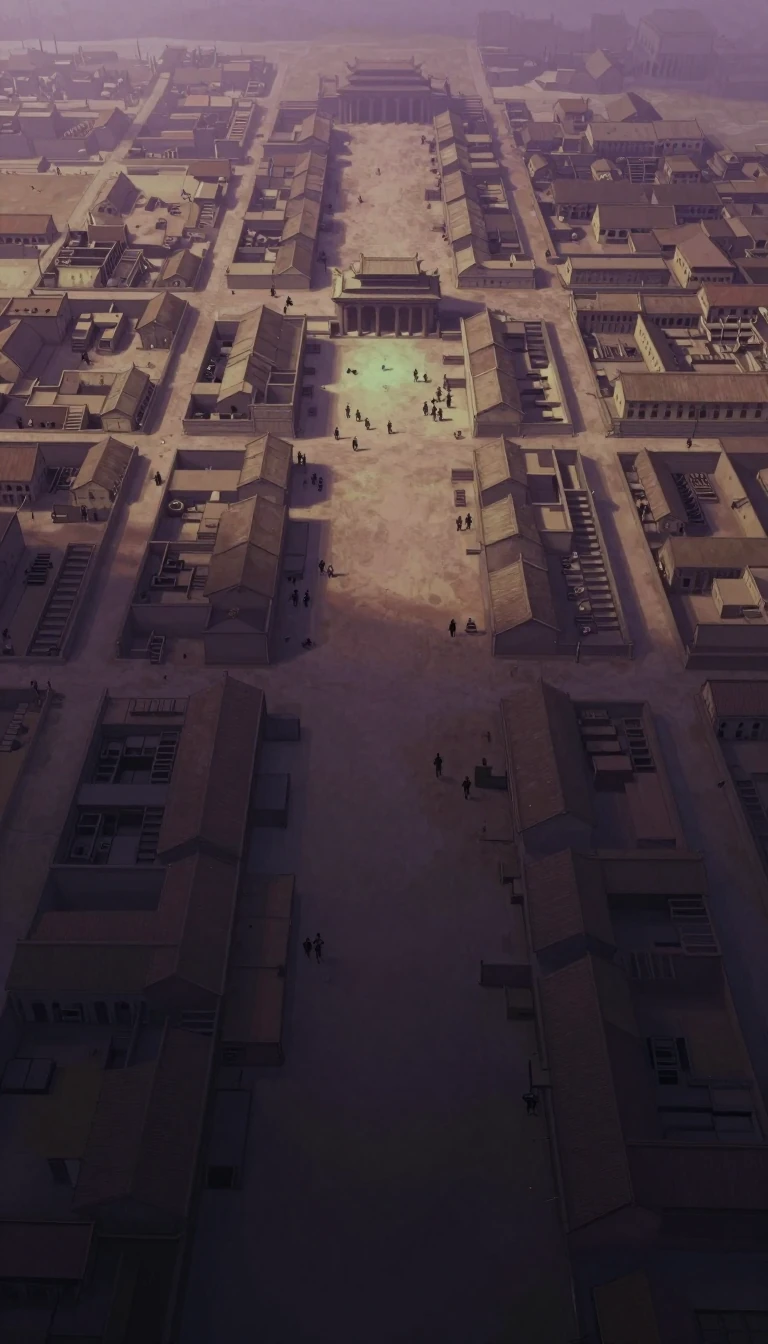
In short: The Isthmus of Corinth is a slender bridge of limestone connecting the Peloponnese to mainland Greece. For centuries, sailors dreaded the long journey around the peninsula, leading ancient rulers to attempt the impossible: cutting a canal through the rock. Today, the modern waterway finally separates the land into two.
Measuring 6.3 kilometers across, the Isthmus of Corinth has long served as a vital geographic marker. In antiquity, a stone stele famously stood here, inscribed with conflicting claims about whether one was standing in the Peloponnese or Ionia. This narrow neck of land was not merely a boundary but a strategic bottleneck, guarded by the Hexamilion wall, which remains the largest single archaeological structure in all of Greece.
The dream of a shortcut to bypass the dangerous voyage around the peninsula dates back to the 7th century BC. The tyrant Periander first attempted a canal but settled for the Diolkos, a stone trackway used to drag ships overland. Later, Roman leaders including Julius Caesar and Tiberius explored canal construction, though they lacked the technology to succeed. By AD 32, engineers were rolling boats across the isthmus on logs, mimicking techniques used to move granite for Egyptian pyramids. In AD 67, Emperor Nero famously ordered 6,000 captive Jewish pirates to dig a canal with spades, but the project was abandoned after his death.
It was not until 1893 that the Corinth Canal was finally completed, following eleven years of intensive labor. This engineering feat effectively transformed the Peloponnese into an island. The canal now spans the distance between the Gulf of Corinth and the Saronic Gulf, shortening the maritime route from the Adriatic Sea to Piraeus by over 320 kilometers. Today, the site is crossed by a network of seven bridges, including road, rail, and submersible options, while the ancient Diolkos track remains a fragile, contested archaeological site requiring urgent preservation.
Opens the Intellect+ feed with this card first. Swipe up for the next one.
Sources
- Summary by Intellect · source: Isthmus of Corinth
- Also: Isthmus of Corinth | Greece, Map, & Facts | Britannica
- Also: Wikidata — Isthmus of Corinth · CC0
- Also: Wikidata — Isthmus of Corinth from the [shore of the] Gulf of Egina · CC0
To cite this card, link to https://intellectplus.co.uk/app/places-isthmus-of-corinth.
How we source, check and correct cards: Editorial standards.
General information, not professional advice. Spotted an error? Flag the card or see corrections and complaints.
Intellect Plus is a visual educational discovery platform for exploring fascinating facts and ideas. Brain Food, Not Brain Rot. What is Intellect Plus?
Related
More in Isthmuses · More in Countries & Cities · Latest · A–Z · All topics
