Corinth is a modern industrial powerhouse built on the ruins of ancient seismic history
In short: Modern Corinth is not just a gateway to the Peloponnese; it is a city repeatedly reborn from the earth. Founded in 1858 after a devastating earthquake leveled the old settlement, this strategic hub balances its role as a major industrial center with the weight of its ancient, storied past.
The city of Corinth, located 78 kilometres west of Athens, exists as a resilient successor to its ancient namesake. The modern city was established in 1858 as New Corinth following a magnitude 6.5 earthquake that destroyed the previous settlement. This cycle of destruction and renewal continued into the 20th century, with a magnitude 6.3 earthquake in 1928 and a major fire in 1933 forcing further reconstruction. Today, the city serves as the capital of the Corinthia regional unit, housing over 30,000 residents within its city limits.
Strategically positioned at the gateway to the Peloponnesian peninsula, Corinth has long been defined by its geography. The nearby Corinth Canal, completed in 1893 after centuries of failed attempts by figures ranging from Periander to Nero, cuts through the Isthmus of Corinth. While intended to revolutionize trade, the canal’s narrow 21.3-metre base and frequent landslips have relegated it primarily to tourist use. Instead, the modern city’s economic vitality is driven by its role as a major industrial and transport hub, featuring one of Europe’s largest oil refineries and a port that serves as a vital contingency facility for cargo exports.
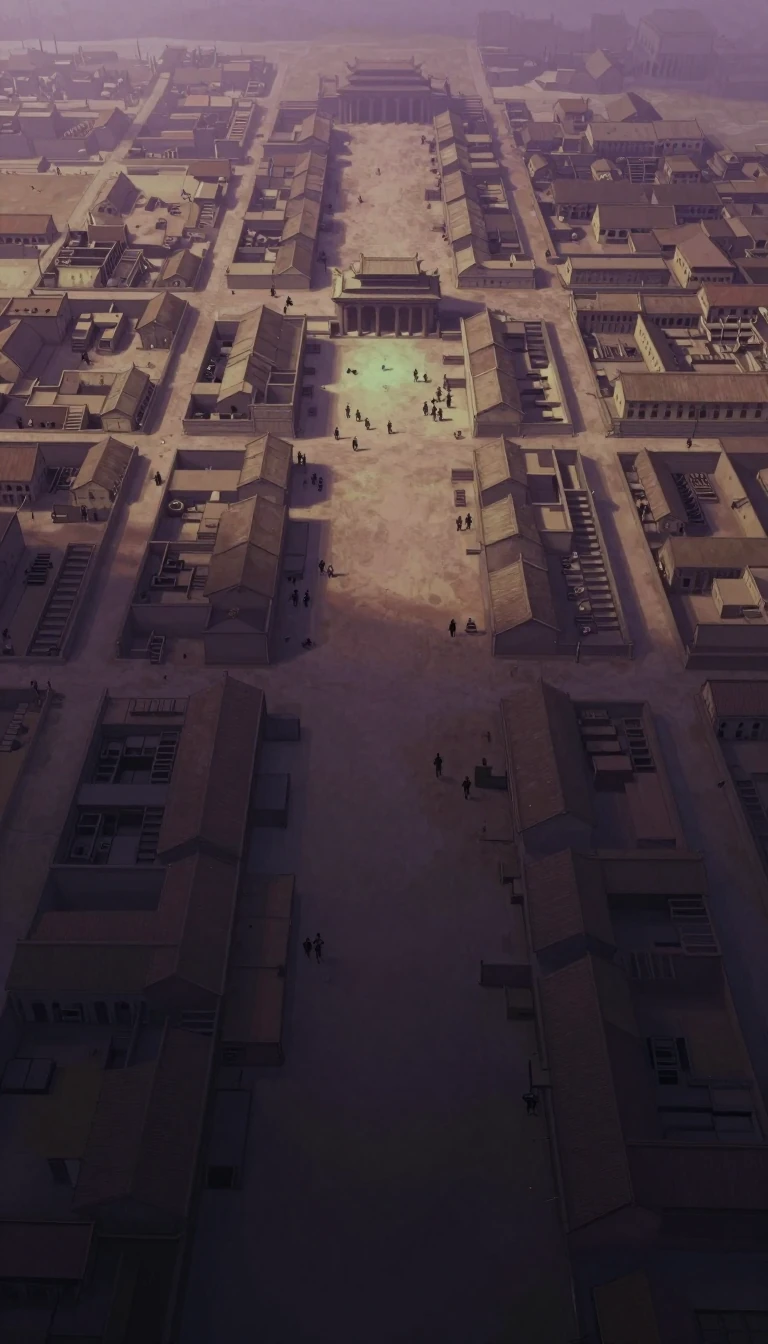
The city’s identity remains deeply intertwined with its Roman and Greek heritage. Excavations of the nearby ancient site reveal a history of Roman colonial planning, including a forum and amphitheater, which once flourished under Julius Caesar’s 44 BC reconstruction. Today, this legacy is preserved through archaeological sites and the proximity of the village of Ancient Corinth. Despite the modern industrial landscape—producing everything from copper cables to medical equipment—the city remains a nexus of history, where 1st-century inscriptions like the Erastus stone sit alongside the infrastructure of a modern Mediterranean transit point.
Opens the Intellect+ feed with this card first. Swipe up for the next one.
Sources
- Summary by Intellect · source: Corinth (modern city)
To cite this card, link to https://intellectplus.co.uk/app/places-corinth-modern-city.
How we source, check and correct cards: Editorial standards.
General information, not professional advice. Spotted an error? Flag the card or see corrections and complaints.
Intellect Plus is a visual educational discovery platform for exploring fascinating facts and ideas. Brain Food, Not Brain Rot. What is Intellect Plus?
Related
More in World Heritage Sites · More in Countries & Cities · Latest · A–Z · All topics
