Why Gabon's Ivindo National Park is a global hotspot for rapid evolutionary speciation
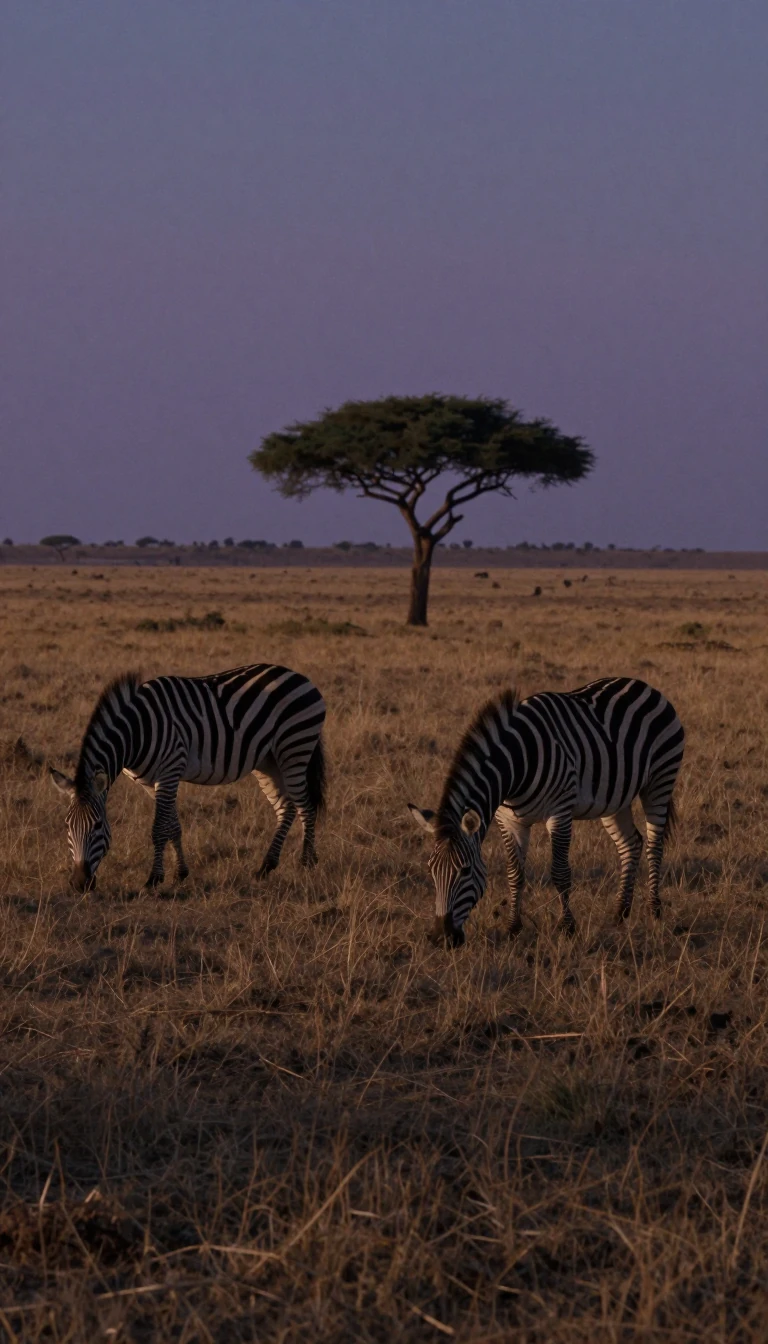
In short: Spanning 300,000 hectares of pristine rainforest, Ivindo National Park is a biological treasure trove. Beyond its famous waterfalls, the park hosts unique, ancient forests and rare aquatic ecosystems that serve as a living laboratory for evolution, housing species found nowhere else on Earth within its deep blackwater rivers.
Designated a UNESCO World Heritage Site in 2021, Ivindo National Park in east-central Gabon represents one of the most intact forest ecosystems in Central Africa. Created in 2002 by President Omar Bongo, the park protects a diverse landscape of interior plateaus, old-growth Caesalpinioideae forests, and the critical Langoué Baï clearing. This environment provides a sanctuary for threatened megafauna, including western lowland gorillas, chimpanzees, and one of the region's last relatively intact populations of forest elephants, many of which still carry the large tusks that have become increasingly rare elsewhere.
The park's true scientific marvel lies in its aquatic systems. The Ivindo River and its tributaries, characterized by deep black waters, host a globally unique phenomenon: a rapid speciation swarm of Paramormyrops fish. This is one of the world's best examples of open-water speciation, where evolutionary processes occur at an exceptionally high rate. Furthermore, the Kongou Falls support seven rare species of Podostemaceae riverweeds, representing nearly half of Gabon's known diversity for these specialized plants. The park's isolation and lack of human inhabitants have allowed these fragile, endemic species to thrive undisturbed.
Research efforts, led by the Wildlife Conservation Society and the Institut de Recherche en Écologie Tropicale, have been vital in documenting this biodiversity. Since 2001, scientists have monitored the southern regions, particularly Langoué Baï, to protect against poaching and understand the complex ecology of the forest clearings. With over 430 recorded bird species and hundreds of butterfly varieties, the park serves as a critical biogeographical entity. It remains a rare, largely uninhabited space where evolutionary processes continue to unfold, offering researchers an irreplaceable window into the natural history of the Guinean-Congolese domain.
Opens the Intellect+ feed with this card first. Swipe up for the next one.
Sources
- Summary by Intellect · source: Ivindo National Park
- Also: Ivindo National Park
- Also: Wikidata — Ivindo National Park · CC0
To cite this card, link to https://intellectplus.co.uk/app/places-ivindo-national-park.
How we source, check and correct cards: Editorial standards.
General information, not professional advice. Spotted an error? Flag the card or see corrections and complaints.
Intellect Plus is a visual educational discovery platform for exploring fascinating facts and ideas. Brain Food, Not Brain Rot. What is Intellect Plus?
Related
More in World Heritage Sites · More in Countries & Cities · Latest · A–Z · All topics
