Why Rwanda's Nyungwe Forest is the crown jewel of African montane rainforests
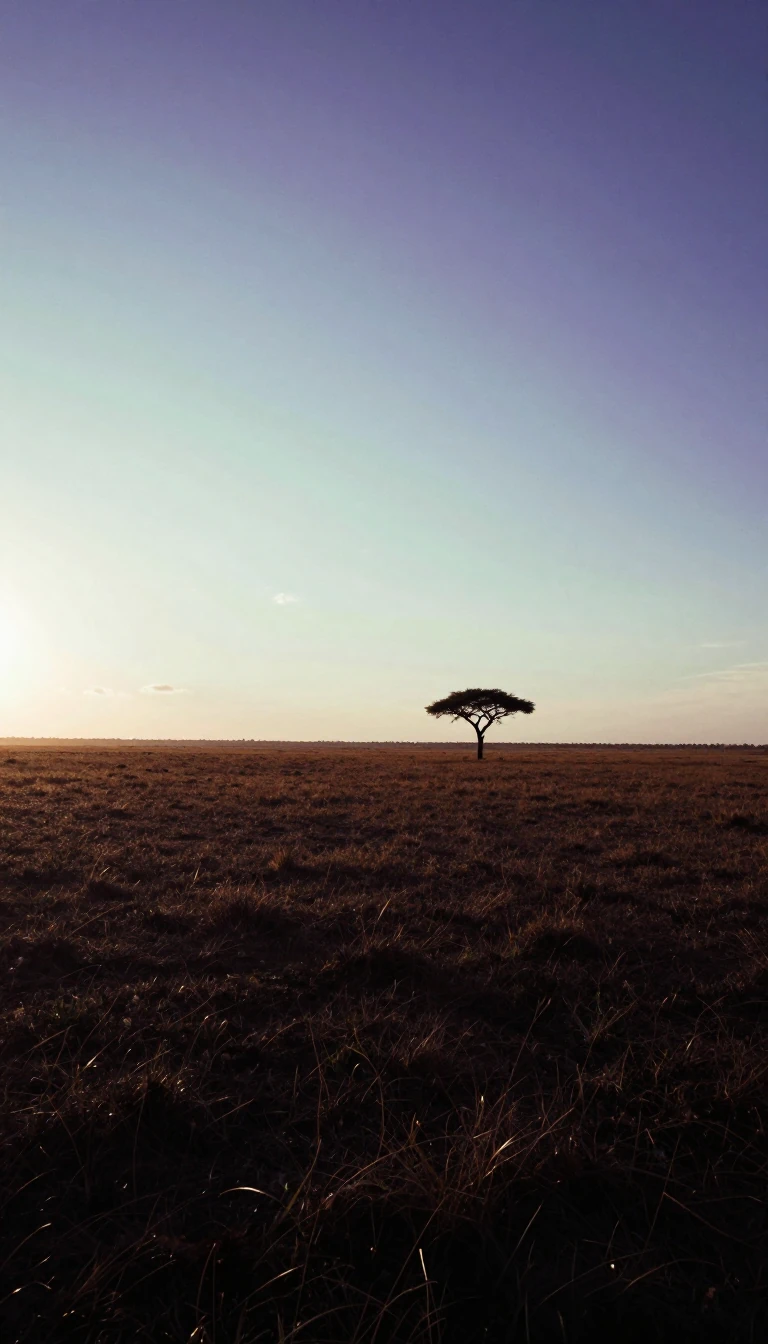
In short: Spanning over 1,000 square kilometers in southwestern Rwanda, Nyungwe Forest is widely considered the best-preserved montane rainforest in Africa. Sitting at the vital intersection of the Congo and Nile river basins, this biodiversity hotspot serves as a critical refuge for rare primates, endemic birds, and a vast array of unique plant life.
Established as a national park in 2004, Nyungwe encompasses a diverse landscape of bamboo, grassland, swamps, and bogs, reaching altitudes of up to 3,000 meters at Mount Bigugu. The forest is a biological crossroads where multiple biogeographical zones meet, creating a complex network of microhabitats. This environment supports 13 primate species—representing a quarter of Africa's total—alongside 85 mammal species and over 300 bird species. Notably, it hosts the Angola colobus, a species now extinct in its namesake country due to historical hunting, and holds more endemic species than any other surveyed forest in the Albertine Rift Mountains.
The region's history is marked by both fragility and resilience. Originally designated as a reserve in 1933, the forest faced significant degradation throughout the mid-20th century due to agricultural expansion, fires, and poaching. By 1974, the last buffalo had been killed, and by 1999, the final elephant was lost to poachers. Despite the devastation caused by the 1994 war and genocide, which destroyed key research infrastructure at Uwinka, the park has undergone a remarkable recovery. Junior staff members famously remained on-site during the conflict to protect the area, laying the groundwork for its eventual inclusion on the UNESCO World Heritage list in 2023.
Today, the park is managed by African Parks under a 20-year agreement signed in 2020. The focus has shifted toward sustainable tourism and economic integration, with projections estimating revenues of approximately FRw 4.8 billion for 2025. By balancing conservation with infrastructure development and job creation, the park aims to secure its future as a vital ecological and economic asset for Rwanda. This strategy includes initiatives to increase visitor spending and encourage longer stays, ensuring that the forest remains a protected sanctuary for its rare inhabitants while contributing to the nation's broader development goals.
Opens the Intellect+ feed with this card first. Swipe up for the next one.
Sources
- Summary by Intellect · source: Nyungwe Forest
- Also: Wikidata — Nyungwe Forest · CC0
To cite this card, link to https://intellectplus.co.uk/app/places-nyungwe-forest.
How we source, check and correct cards: Editorial standards.
General information, not professional advice. Spotted an error? Flag the card or see corrections and complaints.
Intellect Plus is a visual educational discovery platform for exploring fascinating facts and ideas. Brain Food, Not Brain Rot. What is Intellect Plus?
Related
More in World Heritage Sites · More in Countries & Cities · Latest · A–Z · All topics
