How the Japanese occupation of the Dutch East Indies fundamentally reshaped Indonesian governance
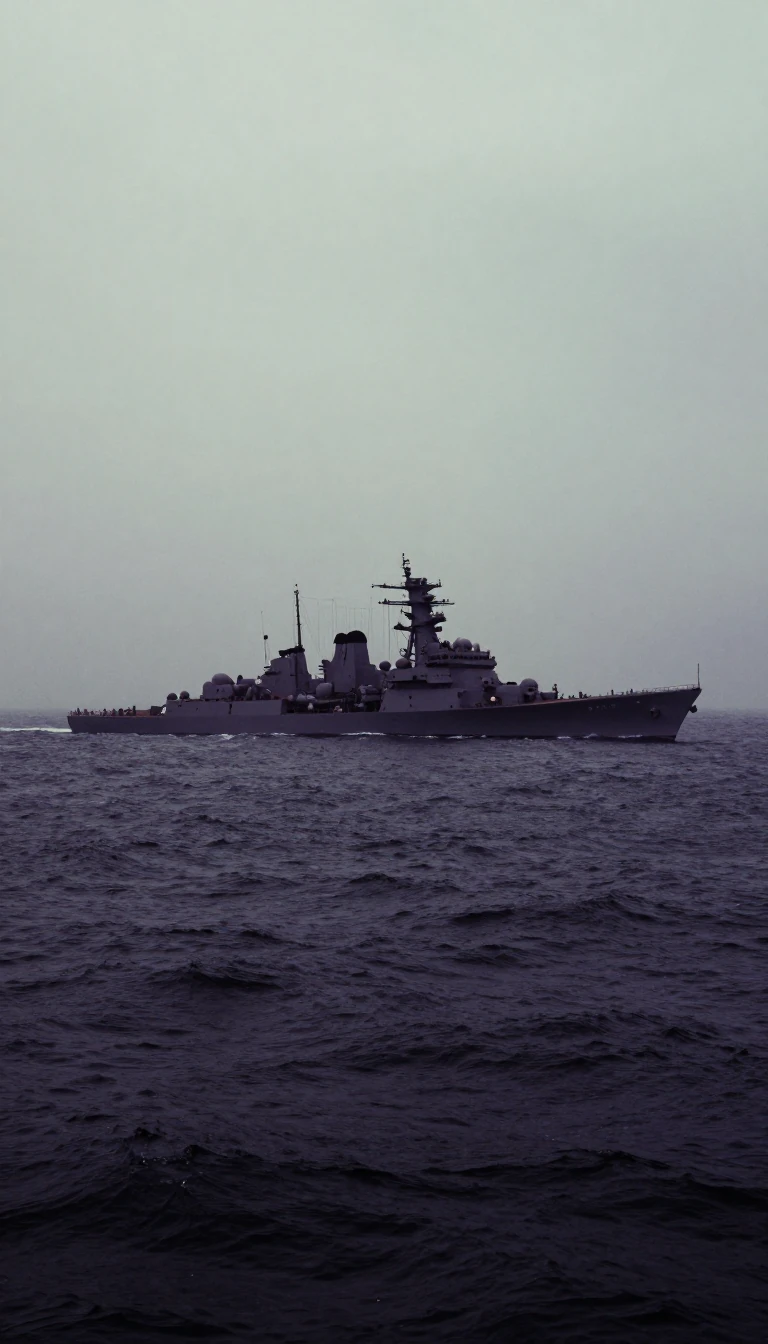
In short: When Japan invaded the Dutch East Indies in 1942, they dismantled centuries of Dutch colonial rule in under three months. Initially welcomed as liberators, the occupiers soon imposed a rigid military administration that reorganized the archipelago, leaving a lasting administrative legacy that influenced the structure of the modern Indonesian state.
The Japanese invasion, beginning on 10 January 1942, was swift and decisive. By 8 March, the Dutch had surrendered, ending a colonial presence that had lasted until the outbreak of World War II. The occupation was divided into three distinct military zones: the 16th Army controlled Java and Madura, the 25th Army governed Sumatra, and the Imperial Japanese Navy oversaw Borneo and eastern Indonesia. This fragmentation allowed the Japanese to secure vital waterways and establish defense posts against potential Allied attacks from Australia.
The administrative overhaul was profound. In Java, the Japanese replaced Dutch residencies with a system of prefectures (Shū) and introduced neighborhood associations like the Tonarigumi, which evolved into the modern rukun tetangga. While the Japanese military government relied on local political elites to maintain order and supply their forces, the human cost was staggering. Between 4 and 10 million Indonesians were forced into labor, and four million people died due to famine and the brutal conditions of the occupation.
Despite the devastation, the occupation served as a catalyst for the Indonesian National Revolution. By challenging the perceived invincibility of European colonial powers and dismantling the Dutch administrative hierarchy, the Japanese presence created a power vacuum that Indonesian nationalists, led by figures like Sukarno and Mohammad Hatta, were prepared to fill. Although the Netherlands attempted to regain control after Japan’s surrender in August 1945, the structural and social changes initiated during the occupation made a return to the pre-war status quo impossible, leading to recognized sovereignty in December 1949.
Opens the Intellect+ feed with this card first. Swipe up for the next one.
Sources
- Summary by Intellect · source: Japanese occupation of the Dutch East Indies
To cite this card, link to https://intellectplus.co.uk/app/places-japanese-occupation-of-the-dutch-east-indies.
How we source, check and correct cards: Editorial standards.
General information, not professional advice. Spotted an error? Flag the card or see corrections and complaints.
Intellect Plus is a visual educational discovery platform for exploring fascinating facts and ideas. Brain Food, Not Brain Rot. What is Intellect Plus?
Related
More in Cities · More in Countries & Cities · Latest · A–Z · All topics
