The stadium that hosted the Beatles, Led Zeppelin, and a 'Papergate' scandal
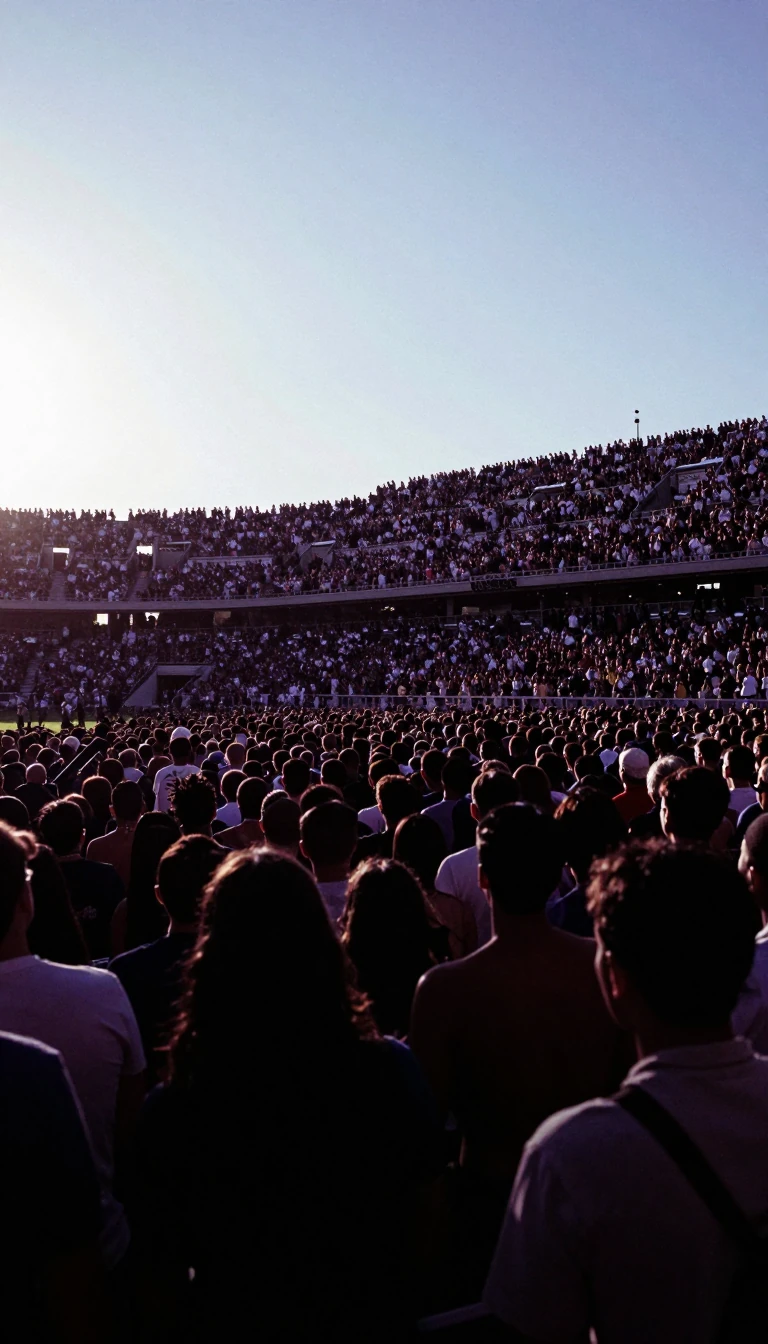
In short: Before its demolition in 1992, John F. Kennedy Stadium was Philadelphia's cultural epicenter. It wasn't just a sports venue; it was a stage for rock history, a site of record-breaking rail movements, and the setting for one of the most audacious ticket frauds in American sports.
The stadium opened on April 15, 1926, as Sesquicentennial Stadium to commemorate the 150th anniversary of the United States. Designed by Simon & Simon in a horseshoe shape inspired by Harvard Stadium, it was built on a 13.5-acre tract in South Philadelphia. While sports were its primary draw—hosting the first American Football League's Quakers and eventually the Philadelphia Eagles—it also served as a massive civic landmark. At its peak, the facility could seat over 102,000 people, making it one of the largest open-air venues of its era.
Beyond football, the stadium was a hub for diverse spectacles. It hosted NASCAR races in 1957, boxing matches where Gene Tunney and Rocky Marciano won heavyweight titles, and even served as a venue for international soccer during the 1976 Bicentennial Cup Tournament. Its cultural weight is perhaps best felt through its music legacy: it was the site of the Beatles' final Philadelphia concert in 1966, Judy Garland’s last U.S. performance in 1968, and a legendary 1985 reunion by Led Zeppelin following the death of drummer John Bonham.
However, the stadium also hosted significant logistical feats and controversies. Between 1936 and 1979, it served as the 'neutral' home for 41 Army–Navy Games. To accommodate these events, the Pennsylvania Railroad operated a temporary station at the nearby Greenwich freight yard, moving as many as 30,000 attendees via over 40 trains—the largest concentrated passenger rail movement in the country at that time. Conversely, it was also the site of 'Papergate' in 1974, where the Philadelphia Bell of the World Football League inflated attendance figures to evade taxes, leading to a public humiliation that crippled the league.
The stadium’s life ended in 1992, but its influence remains. It was even inspected by FIFA in 1988 as a potential site for the 1994 World Cup, though it was demolished two years before the tournament began. Today, it stands as a prime example of how mid-century architecture could facilitate both massive industrial logistics and intimate cultural revolutions.
Opens the Intellect+ feed with this card first. Swipe up for the next one.
Sources
- Summary by Intellect · source: John F. Kennedy Stadium
- Also: Wikidata — John F. Kennedy Stadium · CC0
- Also: Wikidata — John F. Kennedy Stadium · CC0
To cite this card, link to https://intellectplus.co.uk/app/places-john-f-kennedy-stadium.
How we source, check and correct cards: Editorial standards.
General information, not professional advice. Spotted an error? Flag the card or see corrections and complaints.
Intellect Plus is a visual educational discovery platform for exploring fascinating facts and ideas. Brain Food, Not Brain Rot. What is Intellect Plus?
Related
More in Countries and other regions · More in Countries & Cities · Latest · A–Z · All topics
