The Pompeii of the Americas: A Maya Village Frozen in Time by Volcanic Ash
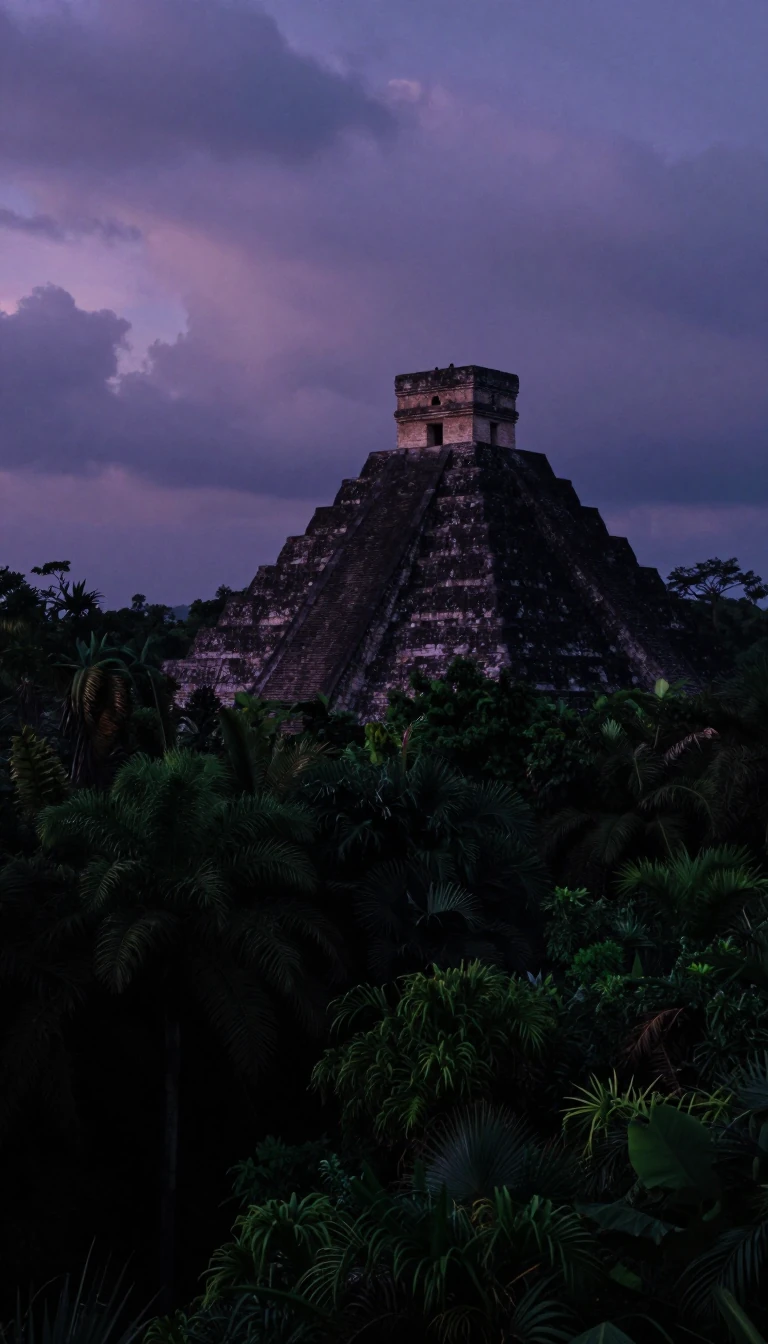
In short: Around AD 600, a sudden eruption of the Loma Caldera volcano buried a thriving Maya farming community under meters of ash. Because the burial was so rapid and the ash temperature low, the village of Joya de Cerén remains perfectly preserved, offering an unparalleled glimpse into ancient daily life.
Located in El Salvador’s Zapotitán Valley, Joya de Cerén was discovered by accident in 1976 when a bulldozer operator leveled ground for a government project. Unlike many archaeological sites that reveal only foundations, this village provides a snapshot of a moment interrupted. Archaeologists have found hearths still containing fires, agricultural tools left near workspaces, and sleeping mats that had not yet been unrolled. The lack of human remains suggests that the approximately 200 residents successfully evacuated, likely warned by a 4.0 magnitude earthquake and possible volcanic emissions.
The site’s preservation is extraordinary, with a 4 to 8-meter layer of ash blanketing the town in mere hours. This protective shroud shielded organic materials that usually decay, allowing researchers to identify specific crops like manioc, guava, and cacao. Excavations, led extensively by Payson Sheets of the University of Colorado at Boulder since 1978, have uncovered about 70 structures, including kitchens, storehouses, and communal saunas. These findings have fundamentally changed our understanding of Classic period Maya agriculture and household economies.
Beyond domestic life, the site reveals complex social and ritual structures. Archaeologists have identified buildings used for community festivals and divinatory practices, such as Structure 10 and Structure 12. These ceremonial spaces contained decorated vessels and ritual items like a red-painted deer headdress. The discovery of vessels filled with achiote seeds suggests that a ceremony may have been underway when the eruption began. Today, the site is a UNESCO World Heritage treasure, serving as a vital record of how ancient Maya communities managed resources, engaged in trade, and performed religious rites.
Opens the Intellect+ feed with this card first. Swipe up for the next one.
Sources
- Summary by Intellect · source: Joya de Cerén
- Also: Wikidata — Joya de Cerén · CC0
- Also: Wikidata — Joya de Cerén archaeological site national monument · CC0
To cite this card, link to https://intellectplus.co.uk/app/places-joya-de-cer-n.
How we source, check and correct cards: Editorial standards.
General information, not professional advice. Spotted an error? Flag the card or see corrections and complaints.
Intellect Plus is a visual educational discovery platform for exploring fascinating facts and ideas. Brain Food, Not Brain Rot. What is Intellect Plus?
Related
More in World Heritage Sites · More in Countries & Cities · Latest · A–Z · All topics
