La Venta: The Ancient Olmec City That Shaped Mesoamerican Civilization for Centuries
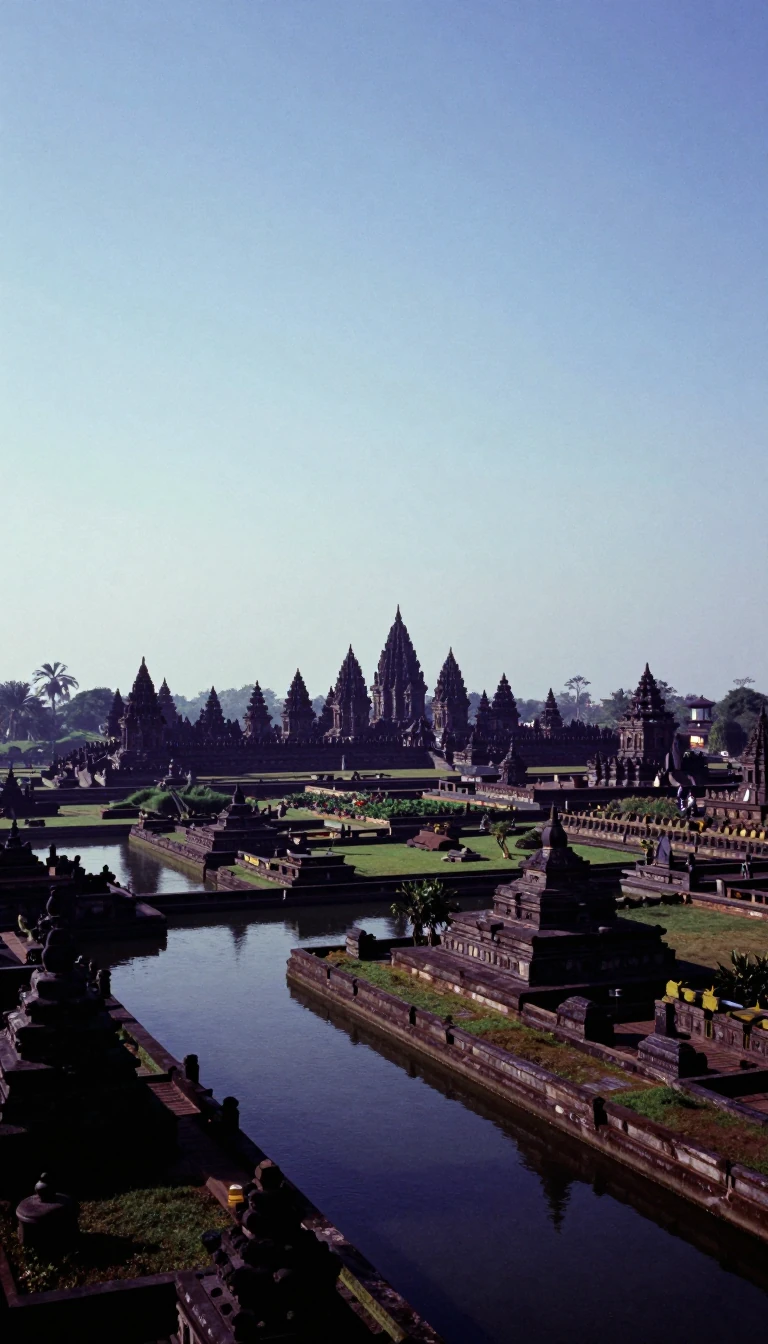
In short: Rising from the Gulf Lowlands, La Venta served as the ceremonial heart of the Olmec, the mother culture of the Americas. This sophisticated city of clay and earth, built without local stone, established architectural and ideological blueprints that would influence later societies like the Maya and the Aztec for generations.
Flourishing between 900 and 400 BCE, La Venta was a masterclass in urban planning and symbolic communication. Located on an island in a coastal swamp, the city was meticulously oriented 8 degrees west of north. Its layout featured a restricted sacred zone, Complex A, and the massive Great Pyramid, a 34-meter-high structure that once stood as a stepped, rectangular monument before 2,500 years of erosion reshaped it into a conical form.
The site functioned as a theater for elite power, where rulers used monumental art to broadcast political and religious narratives. This included four colossal basalt heads, each weighing several tons and transported from the Tuxtla Mountains over 80 kilometers away. These heads, along with elaborate thrones known as altars, suggest a complex hierarchy where kings likely held divine status. The city was not merely a residence but a stage for ritual drama, with public plazas designed to convey creation myths to the populace.
Despite its grandeur, La Venta remains an enigma due to the humid, acidic soil that destroyed most organic remains. Archaeologists have relied on chemical soil analysis and buried caches—such as massive serpentine offerings and jade artifacts—to reconstruct its history. While the site was largely abandoned by the fourth century BCE, its legacy endured. The Olmec established foundational canons for Mesoamerican architecture and iconography, including the feathered serpent motif and the quincunx symbol, which would persist in the region long after the city’s decline.
Today, the site faces modern challenges, with its southern end demolished by a petroleum refinery. However, the artifacts recovered—from iron-ore mirrors to intricate stelae—continue to reveal how this early civilization used high-status objects to cement ideological control. By integrating architecture and sculpture, La Venta created a unique language of power, marking it as one of the most significant civic-ceremonial centers in the ancient world.
Opens the Intellect+ feed with this card first. Swipe up for the next one.
Sources
- Summary by Intellect · source: La Venta
- Also: Wikidata — La Venta · CC0
- Also: Wikidata — La Venta · CC0
To cite this card, link to https://intellectplus.co.uk/app/places-la-venta.
How we source, check and correct cards: Editorial standards.
General information, not professional advice. Spotted an error? Flag the card or see corrections and complaints.
Intellect Plus is a visual educational discovery platform for exploring fascinating facts and ideas. Brain Food, Not Brain Rot. What is Intellect Plus?
Related
More in Historical cities, towns and archaeological sites · More in Countries & Cities · Latest · A–Z · All topics
