Jubaland: A volatile border territory shaped by colonial history and modern regional power struggles
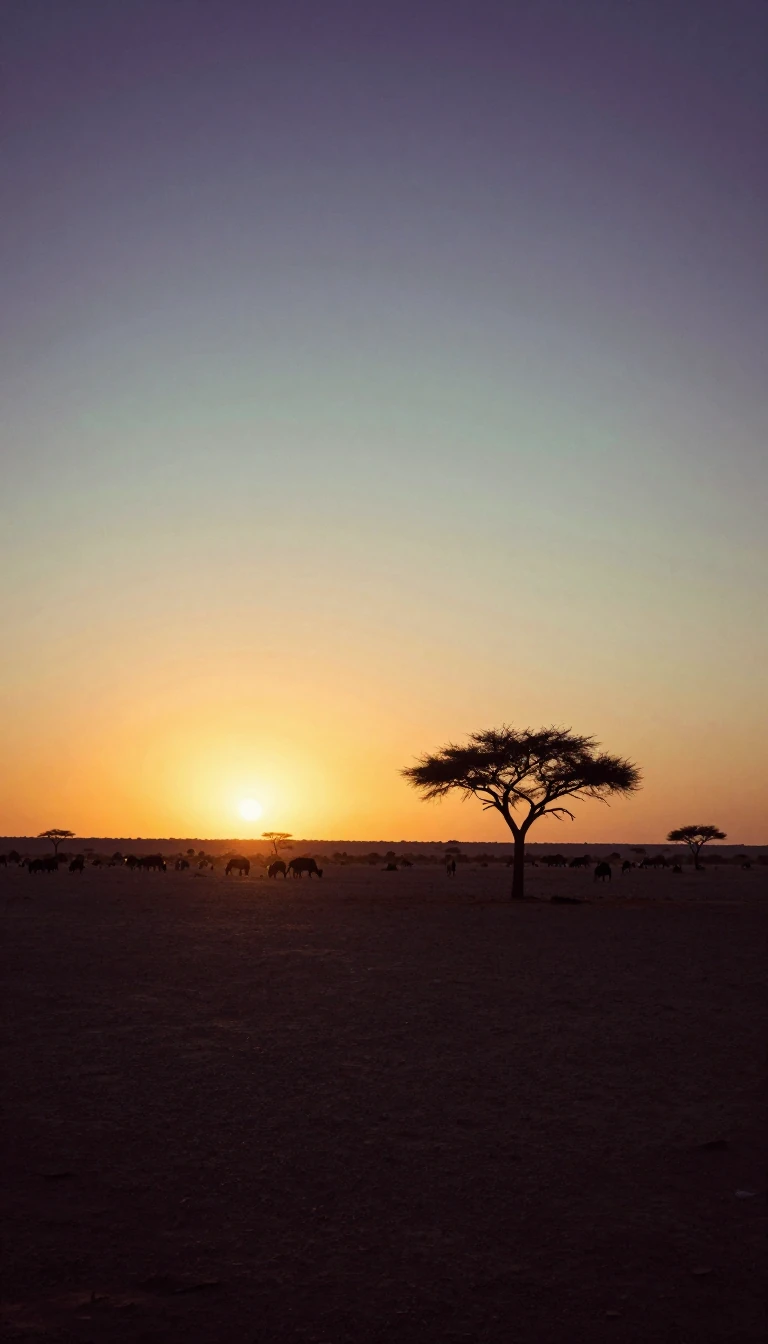
In short: Jubaland is a federal member state in southern Somalia with a complex history of shifting colonial boundaries, civil war, and recent political friction. Once ceded to Italy as a reward for its World War I alliance, this strategic region now navigates a fragile relationship with the Somali federal government.
Jubaland, a region spanning 110,293 square kilometers, has long been a focal point of territorial contestation. Historically controlled by the Ajuran and Geledi Sultanates, the area was later partitioned during the colonial era. In 1925, Britain ceded the territory to Italy, where it briefly existed as the colony of Trans-Juba before being incorporated into Italian Somaliland. This colonial legacy left lasting marks on the region's borders, which today stretch from the Ethiopian frontier to the Indian Ocean coastline.
The modern era has seen Jubaland emerge as a critical, often contentious, actor within the Somali federal system. Following the collapse of the Siad Barre regime in 1991, the region experienced significant instability, including brief declarations of independence and the rise of insurgent groups like the Islamic Courts Union and Al-Shabaab. By 2013, a formal administration was established under President Ahmed Mohamed Islam, known as Madobe. Despite various reconciliation agreements with the federal government in Mogadishu, tensions remain high, exemplified by the suspension of relations and mutual accusations of treason in late 2024.
Beyond internal politics, Jubaland is defined by its geography and strategic resources. The region, which now holds an estimated 2.5 million inhabitants, has been the site of maritime disputes, particularly regarding offshore drilling rights. While the International Court of Justice ruled on maritime boundaries in 2020, the interplay between local governance, federal authority, and international interests continues to shape the region's trajectory. From the collective settlements formed during the 1970s drought to the current legislative efforts in Kismayo, Jubaland remains a vital, if turbulent, component of the Somali state.
Opens the Intellect+ feed with this card first. Swipe up for the next one.
Sources
- Summary by Intellect · source: Jubaland
- Also: Wikidata — Jubaland · CC0
- Also: Wikidata — Jubaland · CC0
To cite this card, link to https://intellectplus.co.uk/app/places-jubaland.
How we source, check and correct cards: Editorial standards.
General information, not professional advice. Spotted an error? Flag the card or see corrections and complaints.
Intellect Plus is a visual educational discovery platform for exploring fascinating facts and ideas. Brain Food, Not Brain Rot. What is Intellect Plus?
Related
More in Regions and country subdivisions · More in Countries & Cities · Latest · A–Z · All topics
