Why the names Judea and Samaria carry thousands of years of political weight
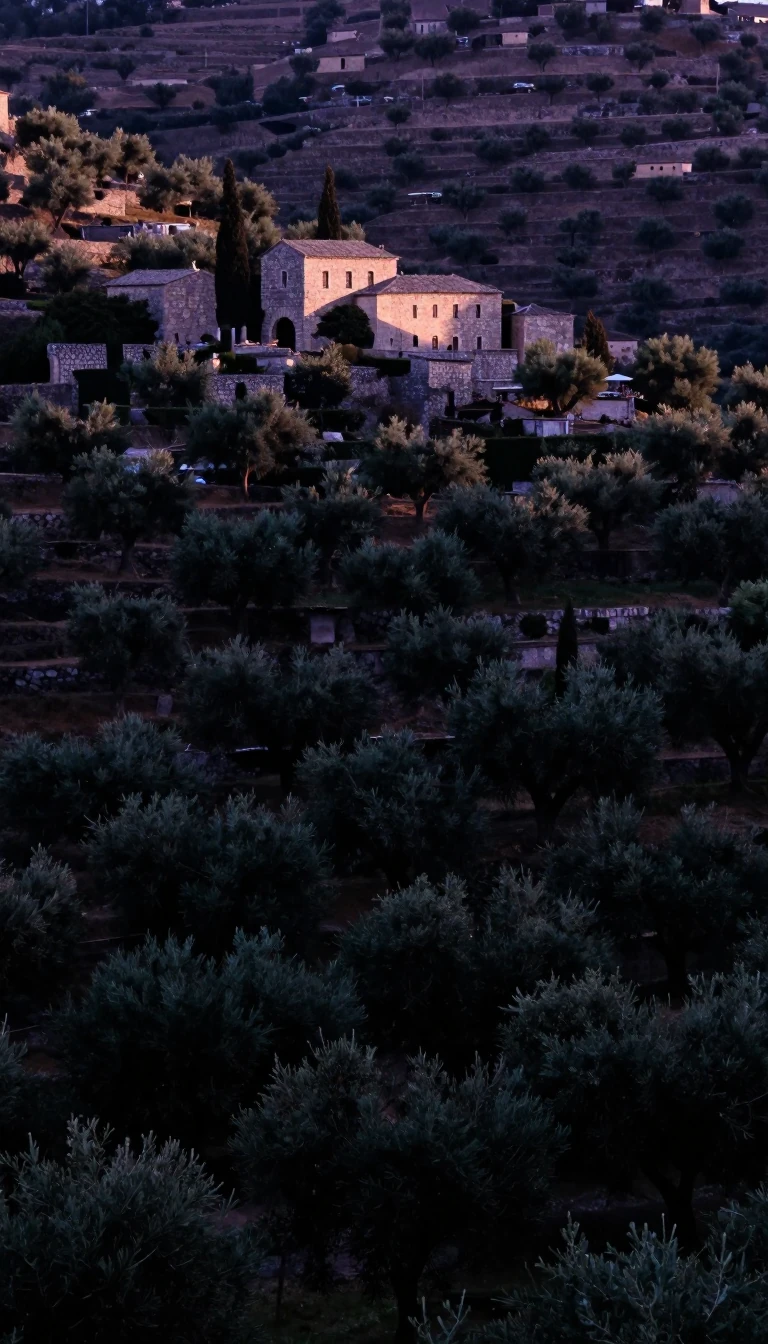
In short: The terms Judea and Samaria are not merely modern administrative labels. They are ancient geographic designations rooted in the history of Israelite kingdoms. Today, their usage reflects a deep divide in how the territory is perceived, contested, and governed, bridging the gap between biblical antiquity and contemporary geopolitical conflict.
Historically, Judaea was the southernmost division of ancient Palestine, centered on the hill country extending from Bethel to Beersheba. It encompassed significant sites like Jerusalem, Bethlehem, and Hebron. Following the Israelite conquest, the tribe of Judah claimed this territory, and in the 10th century BCE, King David established Jerusalem as the capital of the united kingdom. After the death of King Solomon, the northern tribes separated, forming the Kingdom of Israel, while the southern Kingdom of Judah persisted until the Babylonian conquest in 587/586 BCE.
The modern administrative division known as the Judea and Samaria Area was adopted by Israel following the 1967 Six-Day War. While the term draws on these ancient biblical names, it does not map precisely to historical geography, which traditionally extended beyond the modern West Bank. The adoption of this terminology in official Israeli usage became more prominent after 1977, signaling a shift in political discourse regarding the status of the territory.
The region is currently divided into a complex patchwork of Palestinian-administered areas and Israeli settlements. The legal status of this territory remains a subject of intense international debate. While many global bodies, including the United Nations and the International Court of Justice, classify it as occupied Palestinian territory, some Israeli legal perspectives, such as those presented in the 2012 Levy Report, have contested this characterization based on interpretations of the 1907 Fourth Hague Convention. This ongoing disagreement underscores why the choice of terminology—whether West Bank or Judea and Samaria—remains a potent indicator of one's position on the future of the region.
Opens the Intellect+ feed with this card first. Swipe up for the next one.
Sources
- Summary by Intellect · source: www.britannica.com — Judaea | Ancient Region, Middle East History & Culture | Britannica
- Also: Judea and Samaria Area
- Also: Judea and Samaria Area
To cite this card, link to https://intellectplus.co.uk/app/places-judea-and-samaria-area.
How we source, check and correct cards: Editorial standards.
General information, not professional advice. Spotted an error? Flag the card or see corrections and complaints.
Intellect Plus is a visual educational discovery platform for exploring fascinating facts and ideas. Brain Food, Not Brain Rot. What is Intellect Plus?
Related
More in Regions and country subdivisions · More in Countries & Cities · Latest · A–Z · All topics
