Kōchi Prefecture is Japan's most mountainous region, defined by its wild rivers and resilience.
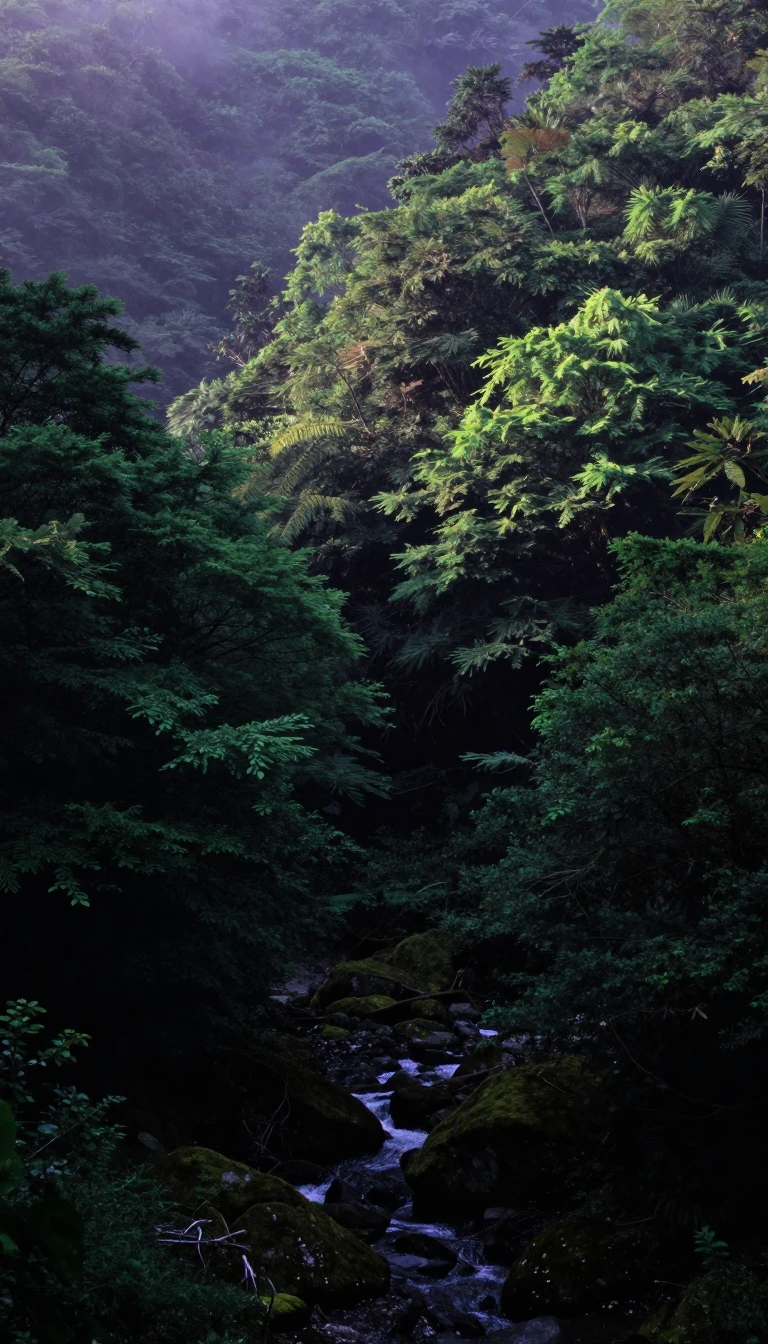
In short: Spanning the southern coast of Shikoku, Kōchi Prefecture is a land of extremes. It holds the record for the highest percentage of mountainous terrain in Japan and remains home to one of the country's few remaining undammed rivers. From ancient samurai history to modern culinary traditions, discover this rugged Pacific landscape.
Kōchi Prefecture, historically known as Tosa Province, occupies the southwestern portion of Shikoku island. With 89% of its land covered in mountains—significantly higher than the national average of 66%—the region is defined by its dramatic topography. Its geography is dominated by the Shimanto Group, a geological area rich in sedimentary rocks, which makes the prefecture prone to landslides. Despite this, the region is celebrated for its pristine waterways, including the Shimanto River, which is one of the few undammed rivers in Japan.
The prefecture's climate is heavily influenced by the warm Kuroshio Current, which keeps coastal waters temperate even in winter. However, this proximity to the ocean also makes Kōchi a frequent target for typhoons, ranking second only to Kagoshima Prefecture in frequency. The 1934 Muroto Typhoon remains a notorious historical event, recording the lowest central pressure ever measured in Japan at 911.6 hPa. To manage these environmental challenges, the region has developed sophisticated river management techniques, a practice dating back to the early Edo period under the samurai Nonaka Kenzan.
Historically, the region served as a place of exile for prisoners due to its distance from the capital. Over centuries, it transitioned through various power structures, from the early Hata and Tosa governments to the influence of the Kamakura Shogunate and later the Chōsokabe and Yamauchi clans. Today, Kōchi is known for its distinct cultural identity, which emphasizes freedom and informality. This is best exemplified by the 'Sawachi' style of communal dining, where large dishes are shared freely among friends and family, reflecting a local culture that eschews rigid formality in favor of open, shared experiences.
The prefecture also holds a significant place in Japanese history as the birthplace of Sakamoto Ryōma, a revolutionary who became a key figure in the Meiji Restoration. Beyond its historical weight, the region maintains a deep connection to its heritage through sites like Kōchi Castle, one of only 12 original Japanese castles still standing. Whether through its unique culinary specialties like katsuo no tataki or its vibrant Yosakoi dance festivals, Kōchi remains a distinct, rugged, and historically rich corner of Japan.
Opens the Intellect+ feed with this card first. Swipe up for the next one.
Sources
- Summary by Intellect · source: Kōchi Prefecture
- Also: Wikidata — Kōchi Prefecture · CC0
To cite this card, link to https://intellectplus.co.uk/app/places-k-chi-prefecture.
How we source, check and correct cards: Editorial standards.
General information, not professional advice. Spotted an error? Flag the card or see corrections and complaints.
Intellect Plus is a visual educational discovery platform for exploring fascinating facts and ideas. Brain Food, Not Brain Rot. What is Intellect Plus?
Related
More in Regions and country subdivisions · More in Countries & Cities · Latest · A–Z · All topics
