Hidden within Kenya's coastal forests are sacred, fortified settlements known as the Kaya.
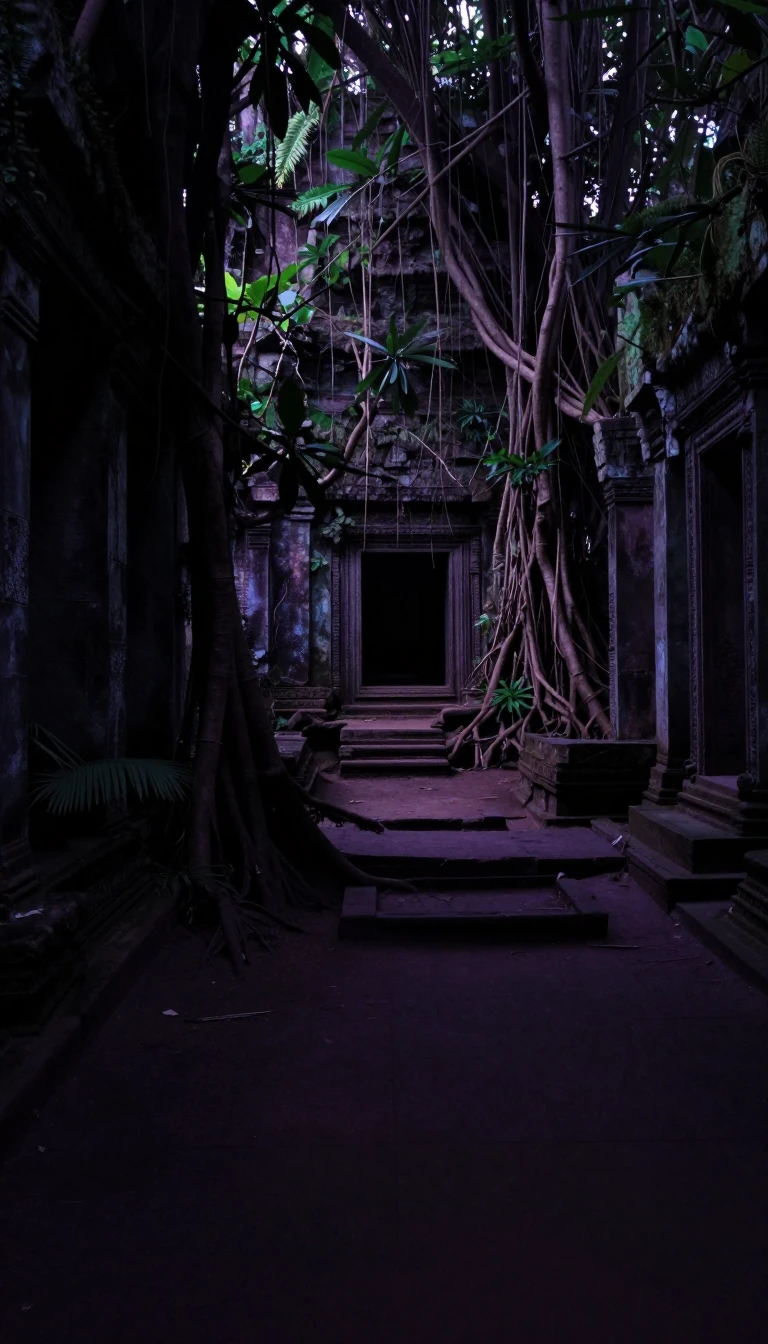
In short: The Mijikenda people once lived in these protected, ritual-rich enclaves, which served as both fortified villages and spiritual anchors. Today, these ancient sites are UNESCO World Heritage treasures, though they remain shrouded in mystery, strict traditional rules, and ongoing battles against modern deforestation and inadequate legal protection.
The Kaya are sacred sites of the Mijikenda people, a group comprising nine distinct sub-ethnicities. Historically, these settlements functioned as fortified villages, providing security from surrounding groups like the Swahili and Waata. Each Kaya was typically surrounded by dense forest, featuring stone-fortified wooden gates and a central clearing containing a dome-like house called a moroni, situated between sacred fig and baobab trees. These sites are not merely historical ruins; they are living repositories of ritual power and cultural identity, where prayers for peace, rain, and stability continue to this day.
The origins of the Kaya are debated, with some archaeologists suggesting they may date back to the ninth century, potentially predating Swahili coastal settlements. The Mijikenda themselves trace their roots to a northern homeland called Shungwaya, migrating to the Kenyan coast in the late 16th century. Central to their spiritual life are the fingo—protective talismans believed to have been brought from Shungwaya. These charms are buried within the Kaya and are guarded by community elders, though many have been lost or stolen in recent times, treated as mere art objects.
Today, the preservation of these sites is a complex challenge. While eleven of the approximately 60 identified Kaya were inscribed as a UNESCO World Heritage Site in 2008, they face severe threats from logging and agricultural expansion. Conservation efforts are complicated by inadequate policies like the 1983 Antiquities and Monuments Act, which remains open to interpretation. Furthermore, the sacred nature of the forests—where traditional rules once strictly prohibited tree cutting or livestock grazing—is now managed by local communities, who must balance the preservation of these spiritual landscapes with the pressures of modern ecotourism and external economic interests.
Opens the Intellect+ feed with this card first. Swipe up for the next one.
Sources
- Summary by Intellect · source: Kaya (Mijikenda)
- Also: Wikidata — Sacred Mijikenda Kaya Forests · CC0
To cite this card, link to https://intellectplus.co.uk/app/places-kaya-mijikenda.
How we source, check and correct cards: Editorial standards.
General information, not professional advice. Spotted an error? Flag the card or see corrections and complaints.
Intellect Plus is a visual educational discovery platform for exploring fascinating facts and ideas. Brain Food, Not Brain Rot. What is Intellect Plus?
Related
More in World Heritage Sites · More in Countries & Cities · Latest · A–Z · All topics
