The mysterious stone fortress of Kenya that once anchored a thriving communal society
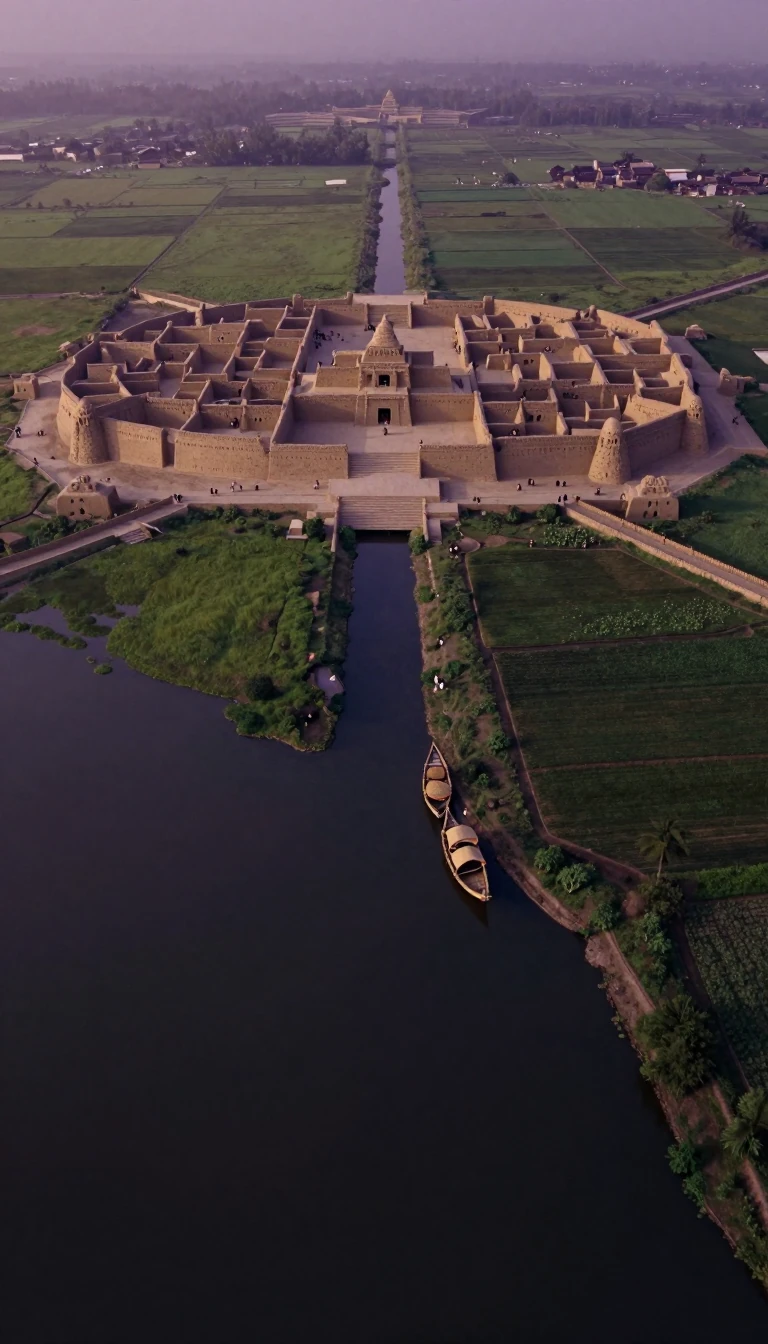
In short: Deep in Migori County, Kenya, lies Thimlich Ohinga, a sprawling complex of dry-stone walls built without mortar. Once a defensive hub for a pastoral society, this ancient site reveals a sophisticated, organized community that thrived through trade, ironworking, and communal living long before the arrival of colonial administration.
Thimlich Ohinga, meaning 'frightening dense forest' and 'a large fortress' in Dholuo, is the largest of 138 clustered stone-built sites near Lake Victoria. Dating back to at least the 15th century, the main enclosure features massive walls reaching up to 4.2 meters in height. Constructed from undressed basalt blocks, the structures rely on interlocking stones rather than mortar for stability, a technique requiring significant skill. The site was first documented in the 1960s by Neville Chittick and later gazetted as a Kenyan National Monument in 1981.
The complex functioned as a multifaceted social, economic, and religious hub. Archaeological evidence, including iron slag and imported glass beads, confirms that the inhabitants were skilled iron smiths engaged in long-distance trade. The site’s layout, which includes livestock pens, granaries, and a Mancala-like game board carved into the rock, mirrors the spatial organization of traditional Luo homesteads. While oral traditions suggest the walls provided protection against cattle rustlers and hostile groups, the site also served as a central point for a community that mobilized significant labor to manage its resources.
The site’s history is marked by waves of occupation. While some debate persists regarding the identity of the original builders, evidence suggests a transition from Bantu-speaking inhabitants to Nilotic-speaking groups. The site remained in use until the early 20th century, when colonial peace led families to move into individual homesteads, marking a shift toward individualism. Today, Thimlich Ohinga stands as a testament to defensive savanna architecture, earning its status as a UNESCO World Heritage Site in 2018 for its unique cultural and historical significance.
Opens the Intellect+ feed with this card first. Swipe up for the next one.
Sources
- Summary by Intellect · source: Thimlich Ohinga
- Also: Wikidata — Thimlich Ohinga · CC0
To cite this card, link to https://intellectplus.co.uk/app/places-thimlich-ohinga.
How we source, check and correct cards: Editorial standards.
General information, not professional advice. Spotted an error? Flag the card or see corrections and complaints.
Intellect Plus is a visual educational discovery platform for exploring fascinating facts and ideas. Brain Food, Not Brain Rot. What is Intellect Plus?
Related
More in World Heritage Sites · More in Countries & Cities · Latest · A–Z · All topics
