The mysterious stone city of Gedi: a medieval African trade hub abandoned to spirits
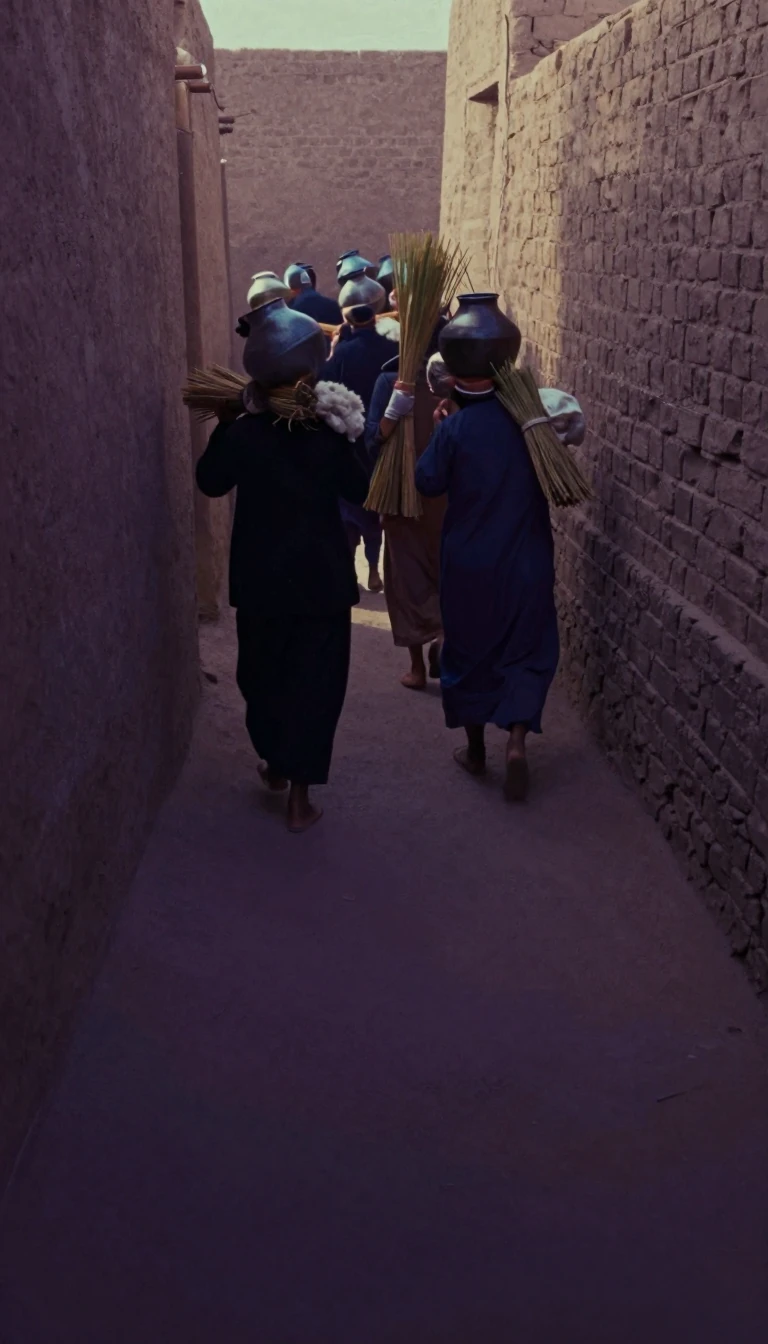
In short: Hidden within Kenya's Arabuko-Sokoke Forest lie the ruins of Gedi, a sophisticated medieval Swahili town. Once a thriving center of Indian Ocean trade, the city was mysteriously abandoned by the seventeenth century. Today, local tradition claims the site is protected by ancestral spirits who curse those who disturb its peace.
Gedi was a prominent Swahili coastal settlement that flourished from the eleventh century until its abandonment in the early seventeenth century. At its peak, the city supported an estimated 2,500 inhabitants. While early colonial researchers mistakenly attributed the site's stone architecture to foreign Arab influence, modern archaeology confirms it as a product of indigenous African coastal communities. These people integrated Islamic traditions and global trade networks while maintaining deep-rooted local social and material practices.
The urban layout of Gedi was complex, featuring a grid-like street system, drainage, and a clear distinction between the elite stone core and the surrounding mud-and-thatch neighborhoods. The city's prosperity was fueled by its participation in Indian Ocean trade, evidenced by the discovery of Chinese porcelain, Islamic glazed wares, and beads from across the continent. Interestingly, cowrie shells—rather than struck coins—are believed to have served as the primary currency, with researchers estimating an exchange rate of 400,000 shells to one gold dinar.
The cause of Gedi's abandonment remains a subject of intense debate among historians. While Portuguese intervention in the sixteenth century, which disrupted trade routes and involved armed conflict, is often cited as a primary factor, it was likely not the sole cause. Other contributing pressures included a falling water table, Oromo migrations from Somalia, and a devastating Wazimba raid in 1589. No single event emptied the town; instead, it was likely a combination of environmental, economic, and political stressors that led to the city's eventual decline.
Today, the site is managed as a UNESCO World Heritage site, but for the local Giriama people, it remains a sacred space. The ruins are believed to be guarded by the spirits of ancient priests, known as the Old Ones. This spiritual significance persists alongside the archaeological value, as researchers continue to study the site to understand how Swahili urbanism successfully balanced public religious life, elite compounds, and ordinary domestic existence.
Opens the Intellect+ feed with this card first. Swipe up for the next one.
Sources
- Summary by Intellect · source: Ruins of Gedi
- Also: Wikidata — Ruins of Gedi · CC0
To cite this card, link to https://intellectplus.co.uk/app/places-ruins-of-gedi.
How we source, check and correct cards: Editorial standards.
General information, not professional advice. Spotted an error? Flag the card or see corrections and complaints.
Intellect Plus is a visual educational discovery platform for exploring fascinating facts and ideas. Brain Food, Not Brain Rot. What is Intellect Plus?
Related
More in World Heritage Sites · More in Countries & Cities · Latest · A–Z · All topics
