The 2009 killing of Oscar Grant became a pivotal moment for modern digital activism.
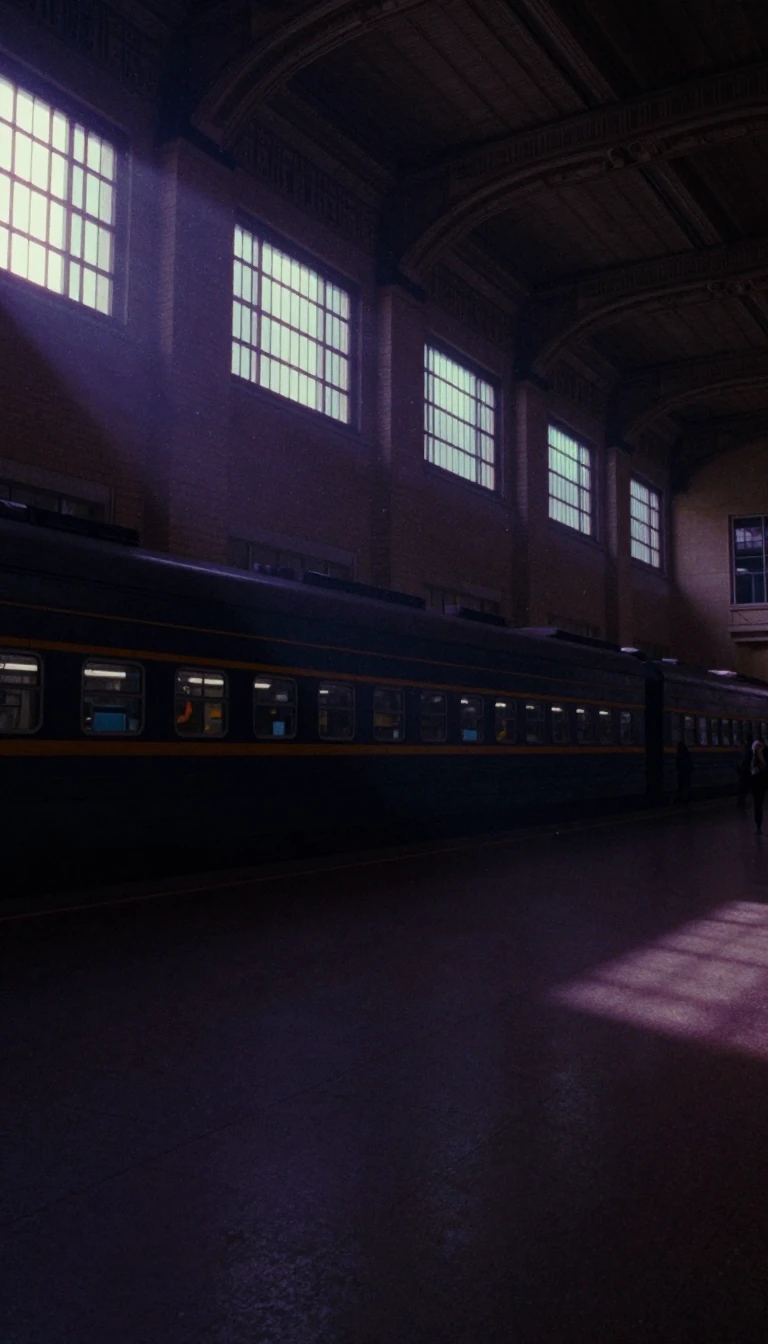
In short: When BART police officer Johannes Mehserle shot 22-year-old Oscar Grant on a crowded Oakland platform, the event was captured by multiple bystanders. These mobile phone videos, uploaded to the internet, transformed a local tragedy into a national flashpoint, fueling widespread protests and foreshadowing the rise of the Black Lives Matter movement.
On New Year's Day 2009, Oscar Grant was detained by BART police at the Fruitvale station following reports of a fight on a train. During the encounter, officer Anthony Pirone kneed Grant in the head, and officer Johannes Mehserle drew his firearm, shooting Grant in the back while he was restrained and unarmed. Grant died hours later at Highland Hospital. The incident was recorded by passengers on their mobile phones, and the subsequent dissemination of this footage online was immediate and massive; one video was downloaded over 500,000 times in just four days.
The legal aftermath was contentious. Mehserle resigned from the force and was charged with second-degree murder in January 2010. By July 2010, a jury found him guilty of involuntary manslaughter rather than murder. This verdict sparked significant unrest, leading to riots in Oakland where nearly 80 people were arrested. Mehserle was sentenced to two years in prison, serving 11 months before his release on parole in June 2011. A wrongful death claim filed by Grant's family against BART resulted in a $2,800,000.00 settlement.
The case remains a landmark in the history of police accountability. Beyond the immediate legal proceedings, the incident served as a precursor to the Black Lives Matter movement, which emerged in 2013. The public availability of bystander video footage fundamentally altered the investigation and the public's perception of the event, forcing a national conversation on police conduct. The 2013 film Fruitvale Station later dramatized the final 24 hours of Grant's life, cementing the event's place in the cultural consciousness.
The investigation process itself faced intense scrutiny. BART's internal review was completed within 11 days, a timeline many community members found insufficient. Furthermore, the role of other officers, particularly Pirone, was heavily debated, with internal reports later confirming he had struck Grant despite his attorney's initial claims of provocation. The case highlights the complex intersection of digital evidence, public protest, and the evolving standards of police accountability in the 21st century.
Opens the Intellect+ feed with this card first. Swipe up for the next one.
Sources
- Summary by Intellect · source: Killing of Oscar Grant
To cite this card, link to https://intellectplus.co.uk/app/places-killing-of-oscar-grant.
How we source, check and correct cards: Editorial standards.
General information, not professional advice. Spotted an error? Flag the card or see corrections and complaints.
Intellect Plus is a visual educational discovery platform for exploring fascinating facts and ideas. Brain Food, Not Brain Rot. What is Intellect Plus?
Related
More in Cities · More in Countries & Cities · Latest · A–Z · All topics
