How a desert pilgrimage hub became an architectural marvel of tent-like engineering
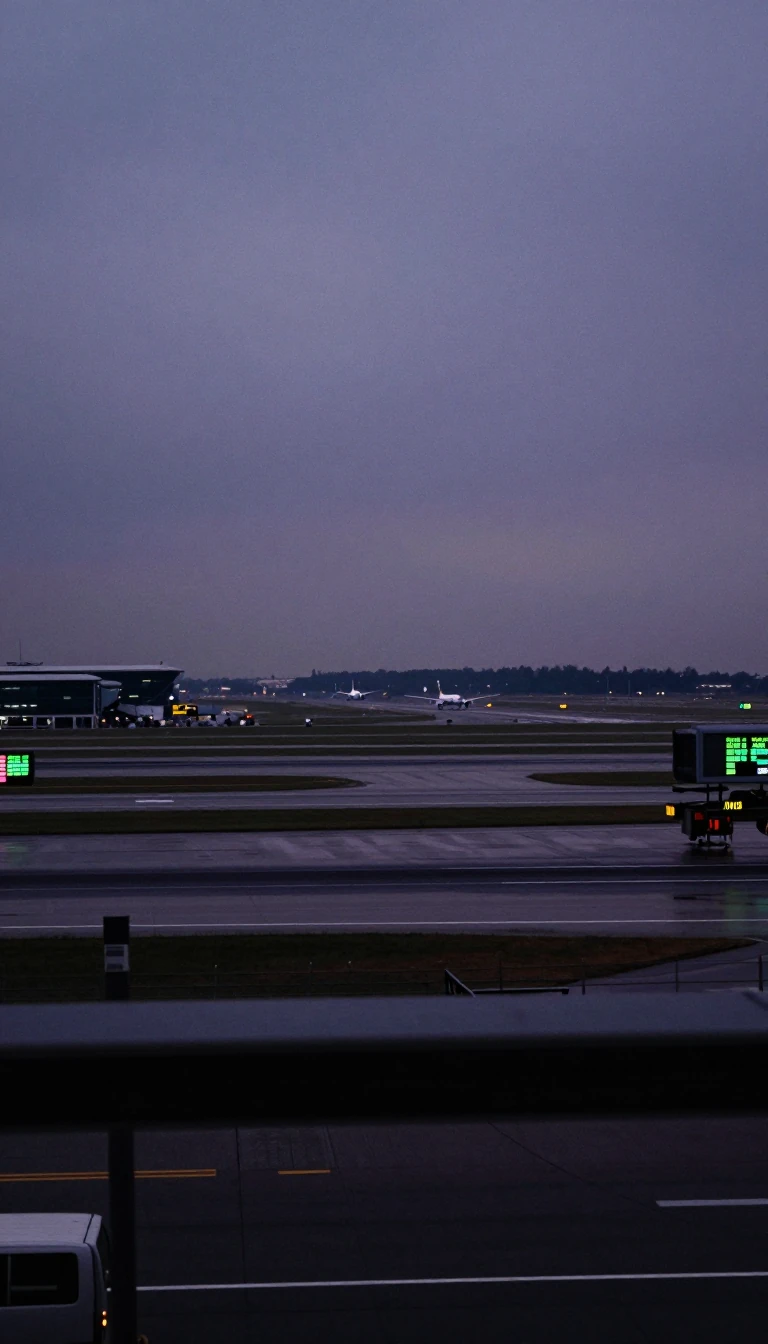
In short: King Abdulaziz International Airport is more than a transit point; it is a massive gateway for millions of Hajj pilgrims. Featuring a world-renowned terminal designed to mimic traditional tents, the airport balances modern high-speed rail connectivity with a unique, open-air architectural philosophy that has earned international design acclaim.
Opened in 1981 to replace the original Jeddah International Airport, King Abdulaziz International Airport (KAIA) serves as a vital link for the Islamic holy cities of Mecca and Medina. The airport spans 112 square kilometres and has evolved through decades of ambitious development. While its early infrastructure was modest, a massive 1976 government initiative allocated $5 billion USD to construct a facility capable of handling the intense seasonal traffic of the Hajj pilgrimage.
The airport's most striking feature is its dedicated Hajj Terminal, designed by architect Fazlur Rahman Khan. Completed with a roof engineered by Horst Berger, the structure utilizes twenty-one white, Teflon-coated fiberglass tent modules. This design is not merely aesthetic; the open-air, wall-less configuration creates a village-like environment that relies on natural ventilation to combat the intense desert heat. This innovative approach to climate control and cultural integration earned the terminal the Aga Khan Award for Architecture in 1983.
Modernization has continued into the 21st century. A major development project initiated in 2006 introduced Terminal 1, an 810,000-square-metre facility that now serves as the primary hub for Saudia and other international carriers. This terminal features the world's tallest air traffic control tower at 136 metres and connects directly to the Haramain High Speed Railway. This rail link provides high-speed transit to Mecca, Medina, and King Abdullah Economic City, cementing the airport's role as a central node in Saudi Arabia's transport infrastructure.
The airport's operational history is marked by both growth and tragedy. It has navigated complex transitions, such as the 2020 closure of the original South Terminal and the ongoing expansion plans for a fourth runway and a new Terminal 2, slated for completion by 2031. Despite past accidents, including the 1991 Nigeria Airways Flight 2120 crash, the facility remains a critical, constantly evolving gateway that blends deep-rooted religious significance with cutting-edge engineering.
Opens the Intellect+ feed with this card first. Swipe up for the next one.
Sources
- Summary by Intellect · source: King Abdulaziz International Airport
- Also: Wikidata — Haramain High Speed Railway - King Abdulaziz International Airport · CC0
To cite this card, link to https://intellectplus.co.uk/app/places-king-abdulaziz-international-airport.
How we source, check and correct cards: Editorial standards.
General information, not professional advice. Spotted an error? Flag the card or see corrections and complaints.
Intellect Plus is a visual educational discovery platform for exploring fascinating facts and ideas. Brain Food, Not Brain Rot. What is Intellect Plus?
Related
More in Cities · More in Countries & Cities · Latest · A–Z · All topics
