The Lost Capital of the Silk Road That Once Rivaled Bukhara and Samarkand
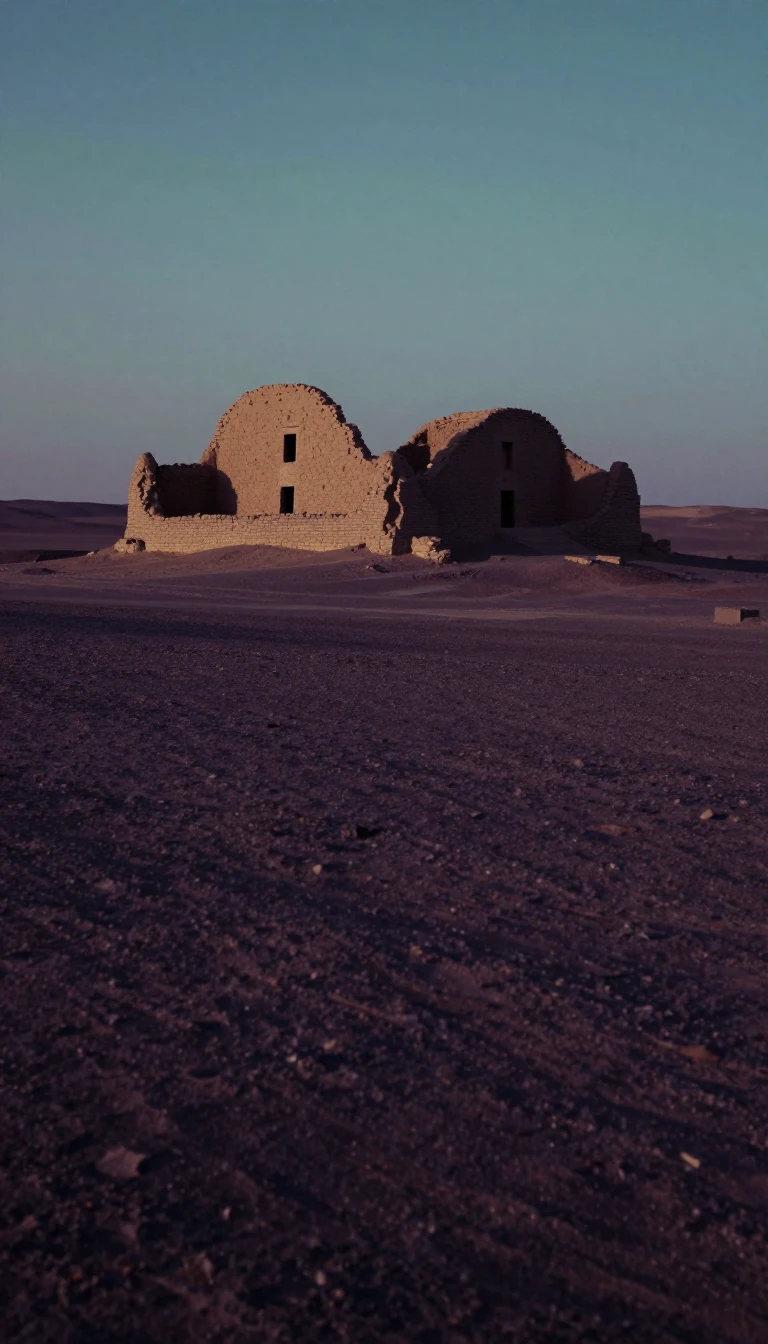
In short: Konye-Urgench, a remote site in modern Turkmenistan, was once the thriving capital of the Khwarazmian Empire. Though largely abandoned after centuries of Mongol destruction and environmental shifts, its surviving monuments reveal a sophisticated architectural legacy that profoundly influenced the design of the Mughal Empire in 16th-century India.
Konye-Urgench, or Old Urgench, sits near the Amu Darya River as a testament to a vanished medieval powerhouse. Archaeological evidence from Kyrkmolla Hill suggests the site was already a structured settlement by the 5th and 4th centuries BC. By the 10th century, it had emerged as a vital Silk Road trading hub, eventually replacing Kath as the capital of the Khwarazmian Empire. At its peak, the city was a center for science and culture, competing in fame and population with major regional powers like Bukhara.
The city's history is marked by extreme volatility. In 1221, Genghis Khan razed the city in a massacre so severe it is cited as one of the bloodiest in human history. Despite this, the city recovered, and by the 14th century, the traveler Ibn Battuta described it as the greatest city of the Turks. However, its ultimate decline began in 1388 when Timur razed the city, destroyed its irrigation systems, and planted barley over the ruins. This destruction, combined with the Amu Darya River shifting its course, led to the city's eventual abandonment by the 18th century.
Today, the site is a UNESCO World Heritage treasure featuring monuments from the 11th to the 16th centuries. The Kutlug Timur minaret, standing 60 meters high, and the elegant Turabek-Khanum mausoleum showcase advanced engineering and artistic refinement. The influence of Konye-Urgench’s master builders was immense; their techniques in brickwork and mosaic spread across the Muslim world, shaping architecture in regions as distant as modern-day Iran, Afghanistan, and India. Even today, traditional kilns at the site continue to produce bricks used for the restoration of these historic structures.
Opens the Intellect+ feed with this card first. Swipe up for the next one.
Sources
- Summary by Intellect · source: Konye-Urgench
To cite this card, link to https://intellectplus.co.uk/app/places-konye-urgench.
How we source, check and correct cards: Editorial standards.
General information, not professional advice. Spotted an error? Flag the card or see corrections and complaints.
Intellect Plus is a visual educational discovery platform for exploring fascinating facts and ideas. Brain Food, Not Brain Rot. What is Intellect Plus?
Related
More in World Heritage Sites · More in Countries & Cities · Latest · A–Z · All topics
