Why this historic Indian city is known as the Kashi of the South
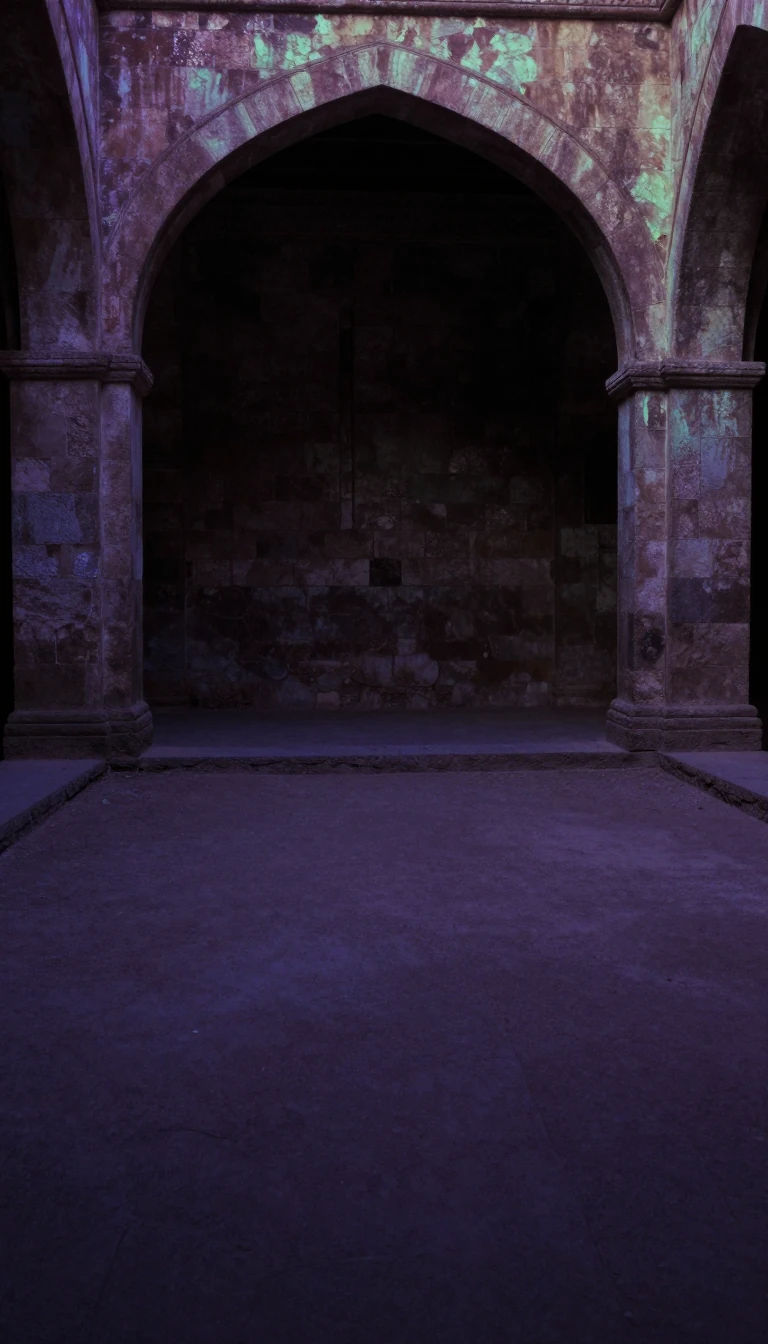
In short: Nestled in the Sahayadri mountains, Kolhapur is a city defined by its deep spiritual roots and industrial prowess. From its ancient temples dedicated to the goddess Ambabai to its modern-day status as a hub for foundries and Marathi cinema, this Maharashtra city balances centuries of tradition with vibrant economic growth.
Kolhapur, situated on the banks of the Panchganga River, carries a history as layered as its many names. Known as Dakshin Kashi, or the Kashi of the South, the city is anchored by the ancient Mahalaxmi temple, also called Ambabai. Its mythological origins are often tied to the demon Kolhasur, who requested the city be named after him before his defeat by the goddess. Historically, the region served as a significant center for Jainism under the Shilahara dynasty, which ruled from approximately 940 to 1220 CE. Inscriptions from this era reveal a sophisticated society where Jain monks and scholars, such as Maghanandi, influenced local kings and nobles.
The city's strategic importance has long attracted power struggles. In 1052 CE, following the Battle of Koppam, the Chola emperor Rajendra Chola II erected a victory pillar in the city. Centuries later, the princely state of Kolhapur was established in 1707 by Tarabai during a succession crisis within the Maratha Confederacy. Under leaders like Rajarshi Shahu Maharaj, the state became a pioneer in social reform, promoting free education and actively fighting against untouchability. Following India's independence in 1947, the state acceded to the Dominion of India and eventually merged with the Bombay State in 1949.
Today, Kolhapur is a bustling industrial and cultural center. It is famous for its unique cuisine, featuring spicy meat dishes like Tambda Rassa and Pandhara Rassa, and its traditional handcrafted buffalo leather slippers, which earned a Geographical Indication designation in 2019. Economically, the city thrives on its foundry and casting industries, boasting approximately 300 foundries. It also serves as the heart of the Marathi film industry, a legacy that began in 1917 with the establishment of the Maharashtra Film Company. Despite facing modern challenges like urban expansion constraints and seasonal flooding, Kolhapur maintains a high Human Development Index, reflecting its enduring role as a significant regional hub.
Opens the Intellect+ feed with this card first. Swipe up for the next one.
Sources
- Summary by Intellect · source: Kolhapur
- Also: Wikidata — Kolhapur · CC0
To cite this card, link to https://intellectplus.co.uk/app/places-kolhapur.
How we source, check and correct cards: Editorial standards.
General information, not professional advice. Spotted an error? Flag the card or see corrections and complaints.
Intellect Plus is a visual educational discovery platform for exploring fascinating facts and ideas. Brain Food, Not Brain Rot. What is Intellect Plus?
Related
More in Asia · More in Countries & Cities · Latest · A–Z · All topics
