How an ancient Indian port city became a global hub for trade and faith
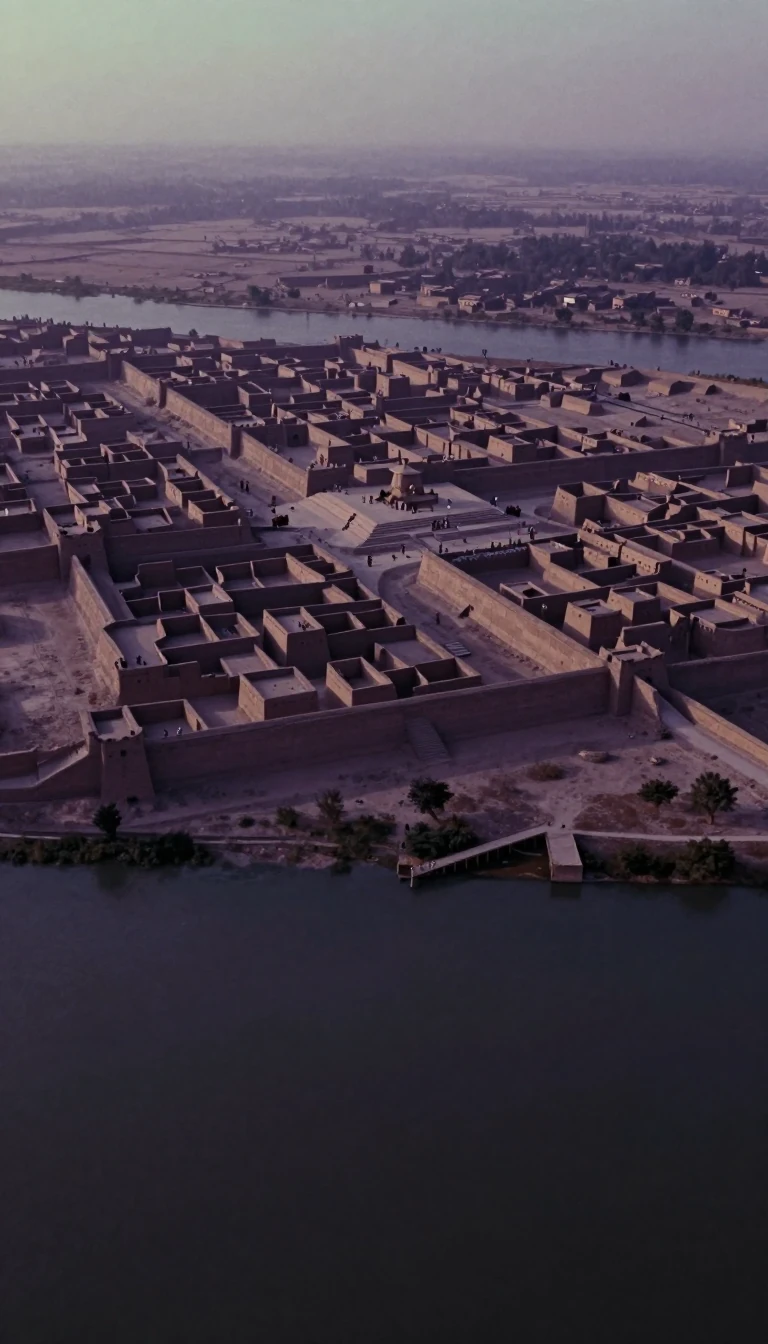
In short: Kollam has served as a vital maritime gateway for millennia, connecting the Malabar Coast to the world. From Roman coins to Chinese junks, this ancient city has hosted merchants and missionaries alike, eventually anchoring its own calendar and becoming a center for global spice trade and early Christian history.
Kollam, located on the banks of Ashtamudi Lake, is one of India's oldest continuously inhabited cities. Its history as a maritime entrepôt stretches back to the Phoenicians and Romans, with archaeological evidence including Roman coins confirming its ancient commercial reach. By the 9th century, the city had become a premier hub for international trade, serving as a critical transshipment point for massive Chinese junks traveling toward the Persian Gulf. This era of prosperity was solidified in 825 AD, when the Syrian Christian merchant Maruvān Sapir Iso developed the port and established the Malayalam calendar, known as Kollavarsham, which remains in use today.
The city’s cultural landscape was shaped by a unique convergence of faiths. It hosted one of the seven churches founded by St. Thomas and one of the ten oldest mosques in Kerala, attributed to Malik Deenar. In 1329, Pope John XXII established Kollam as the first Roman Catholic bishopric in India, appointing Jordan of Catalonia as its leader. The city’s influence was so widespread that it appeared in the 1375 Catalan Atlas as 'Columbo,' a Christian city ruled by a Christian king, and was famously described in Mandeville’s Travels as containing a mythical Fountain of Youth.
Throughout the centuries, Kollam transitioned through various colonial and regional powers. The Portuguese established a trading center in 1502, followed by the Dutch in 1661 and the British in 1795. The city’s strategic importance led to the 1809 Battle of Quilon, where local forces led by Velu Thampi Dalawa clashed with the British East India Company. Today, Kollam remains a vital commercial center for cashew processing and marine exports, while maintaining its reputation as one of India's least polluted and most welcoming cities, with a high literacy rate of 93.77% as of 2010.
Opens the Intellect+ feed with this card first. Swipe up for the next one.
Sources
- Summary by Intellect · source: Kollam
- Also: Wikidata — Kollam · CC0
To cite this card, link to https://intellectplus.co.uk/app/places-kollam.
How we source, check and correct cards: Editorial standards.
General information, not professional advice. Spotted an error? Flag the card or see corrections and complaints.
Intellect Plus is a visual educational discovery platform for exploring fascinating facts and ideas. Brain Food, Not Brain Rot. What is Intellect Plus?
Related
More in Asia · More in Countries & Cities · Latest · A–Z · All topics
