How a fishing village became the bustling capital of Sabah, Malaysia
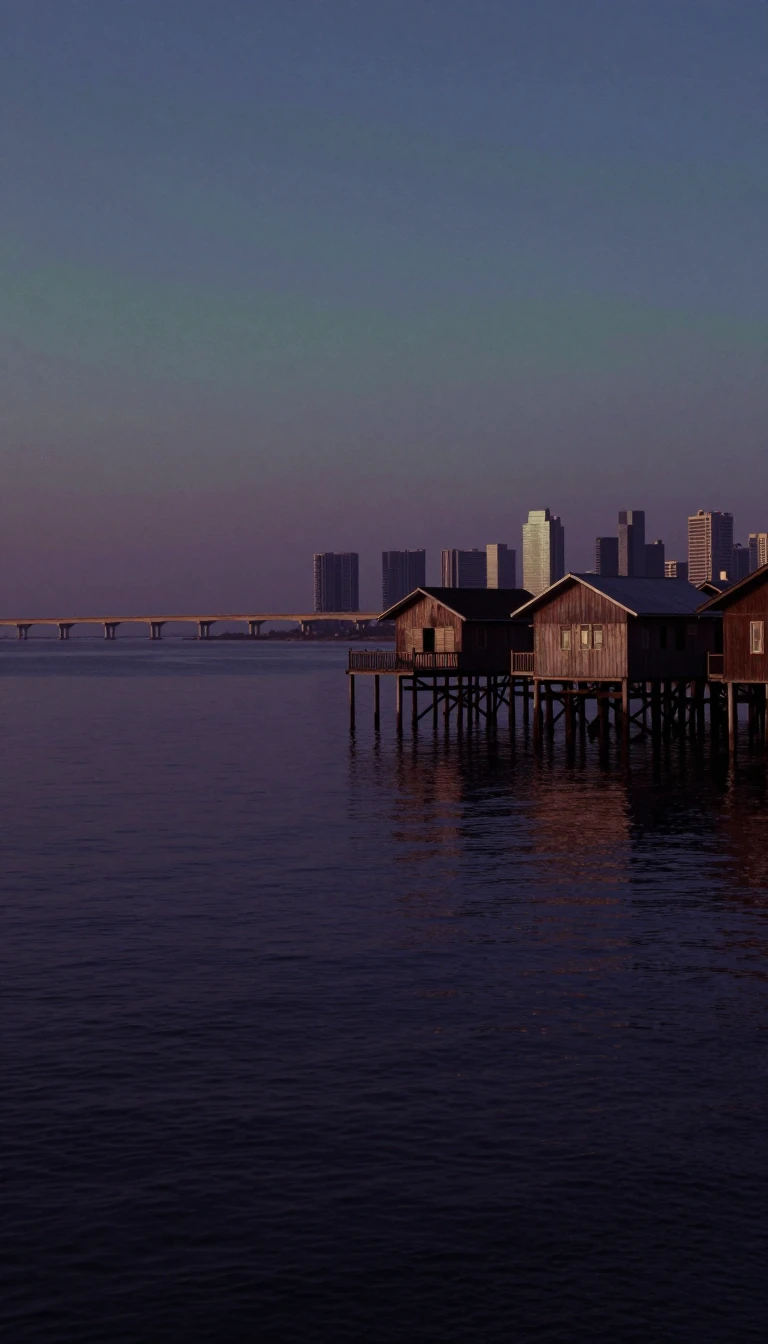
In short: Known colloquially as KK, Kota Kinabalu is a rapidly growing gateway to Borneo. Once a small settlement named Api-Api, this coastal city has transformed from a colonial trading post into a diverse, multi-ethnic metropolis that serves as the political and economic heart of the Malaysian state of Sabah.
The history of Kota Kinabalu is one of constant reinvention. Originally known as Api-Api—a name possibly derived from a local seaside tree or a nearby river—the site was identified in 1899 by Land Commissioner Henry Walker as a strategic location for the British North Borneo Chartered Company. Renamed Jesselton after the company's vice-chairman, Sir Charles Jessel, the town became a vital port for exporting rubber, rattan, and wax. Its development was repeatedly interrupted by conflict, including the Jesselton Revolt against Japanese occupation during World War II and the subsequent Allied bombings in 1945 that left only three buildings standing.
Following the war, the British Crown took control in 1946 and initiated a reconstruction plan. After the formation of Malaysia in 1963, the city remained the capital of the newly named Sabah. In 1967, it was officially renamed Kota Kinabalu, combining the Malay word for city with the name of the nearby Mount Kinabalu. The city’s growth has been defined by its geography; hemmed in by the Crocker Range and the South China Sea, much of its modern central business district is built on land reclaimed from the sea.
Today, Kota Kinabalu is a melting pot of cultures. Its population of over 500,000 includes significant communities of Chinese, Bajau, Kadazan-Dusun, and Malay residents, alongside a sizeable Filipino and Indonesian presence. This diversity is reflected in the city's religious landscape, which features a mix of churches, mosques, and temples. As a major industrial and commercial hub, the city continues to expand, with projects like the Kota Kinabalu Industrial Park aiming to solidify its status as a growth centre within the BIMP-EAGA region.
Opens the Intellect+ feed with this card first. Swipe up for the next one.
Sources
- Summary by Intellect · source: Kota Kinabalu
- Also: Wikidata — Kota Kinabalu · CC0
- Also: Wikidata — Kota Kinabalu · CC0
To cite this card, link to https://intellectplus.co.uk/app/places-kota-kinabalu.
How we source, check and correct cards: Editorial standards.
General information, not professional advice. Spotted an error? Flag the card or see corrections and complaints.
Intellect Plus is a visual educational discovery platform for exploring fascinating facts and ideas. Brain Food, Not Brain Rot. What is Intellect Plus?
Related
More in Asia · More in Countries & Cities · Latest · A–Z · All topics
