How a Costa Rican conservation project restored an entire landscape of diverse tropical ecosystems
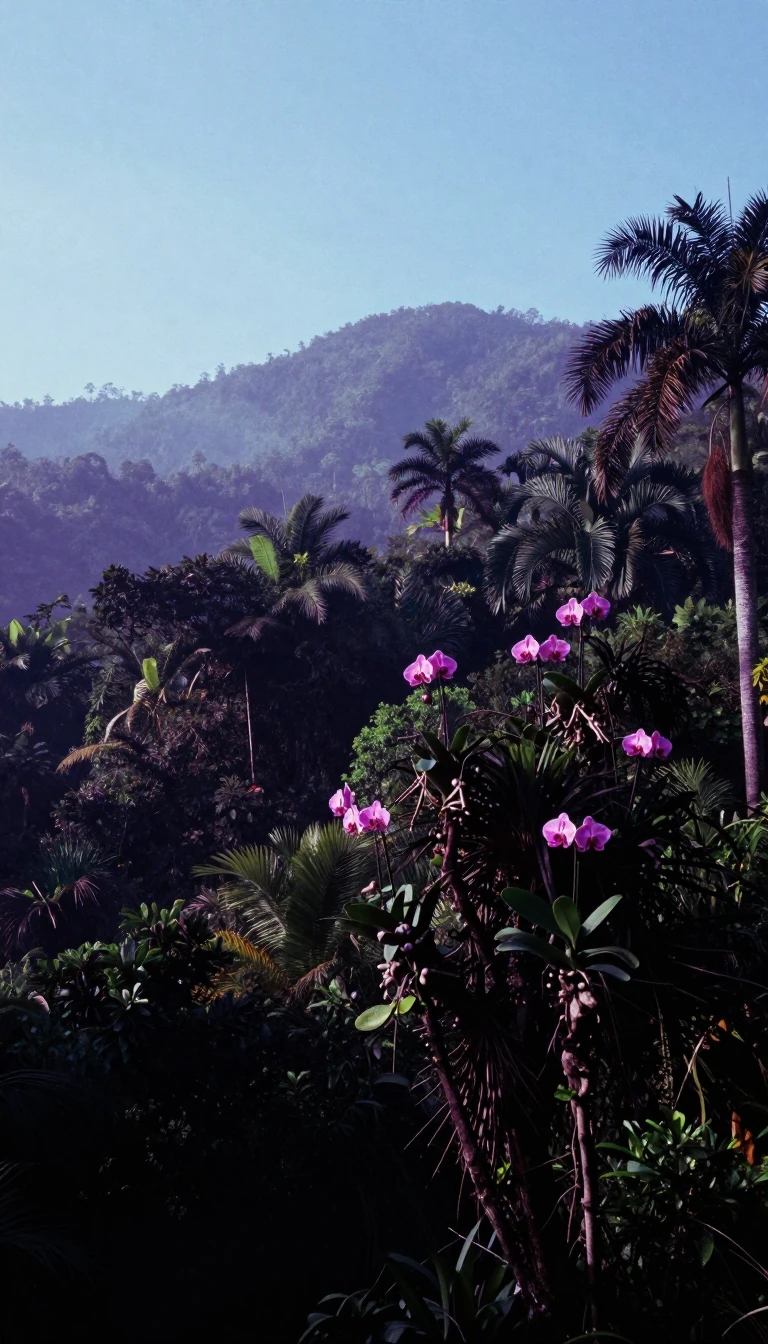
In short: Located in northwestern Costa Rica, the Area de Conservación Guanacaste is a sprawling network of protected lands that shelters two-thirds of the nation's endangered species. From tropical dry forests to marine habitats, this World Heritage Site represents a decades-long effort to connect fragmented ecosystems into one thriving, unbroken biological corridor.
The origins of this conservation success story trace back to 1971 with the founding of Santa Rosa National Park. Rather than remaining an isolated island of nature, the park served as the nucleus for a much larger vision. Over the following decades, surrounding lands were systematically acquired and integrated, allowing the protected area to expand significantly. By 2004, the combined national parks within the network covered 1,470 square kilometers, or approximately 570 square miles.
This expansion was not merely about increasing acreage; it was about ecological connectivity. The site now encompasses a remarkable spectrum of environments, including tropical dry forest, rainforest, cloud forest, and marine habitats. This diversity is essential for the survival of the area's rich biodiversity, which includes over 7,000 plant species and 900 vertebrate species. The site provides a critical refuge for vulnerable animals such as the great green macaw, the mangrove hummingbird, and the Central American tapir.
The formal recognition of the area's importance grew alongside its physical size. In 1994, it became a key component of the National System of Conservation Areas, known as SINAC. International status followed in 1999 when it was designated a World Heritage Site. The commitment to growth continued into the 21st century; in 2004, the site was further extended through the addition of a 15,000-hectare private property located in the Santa Elena rain forest. This ongoing process of land acquisition and protection ensures that the region remains a vital stronghold for Costa Rica's endangered wildlife, housing about two-thirds of the country's threatened species within its borders.
The success of the Area de Conservación Guanacaste highlights the effectiveness of long-term landscape-scale conservation. By linking disparate habitats, the project has created a resilient environment capable of supporting a vast array of life. It stands as a testament to how strategic land management can reverse fragmentation and secure the future of complex tropical ecosystems.
Opens the Intellect+ feed with this card first. Swipe up for the next one.
Sources
- Summary by Intellect · source: Area de Conservación Guanacaste World Heritage Site
To cite this card, link to https://intellectplus.co.uk/app/places-area-de-conservaci-n-guanacaste-world-heritage-site.
How we source, check and correct cards: Editorial standards.
General information, not professional advice. Spotted an error? Flag the card or see corrections and complaints.
Intellect Plus is a visual educational discovery platform for exploring fascinating facts and ideas. Brain Food, Not Brain Rot. What is Intellect Plus?
Related
More in World Heritage Sites · More in Countries & Cities · Latest · A–Z · All topics
