Honduras's largest rainforest reserve is a World Heritage site struggling against illegal human activity.
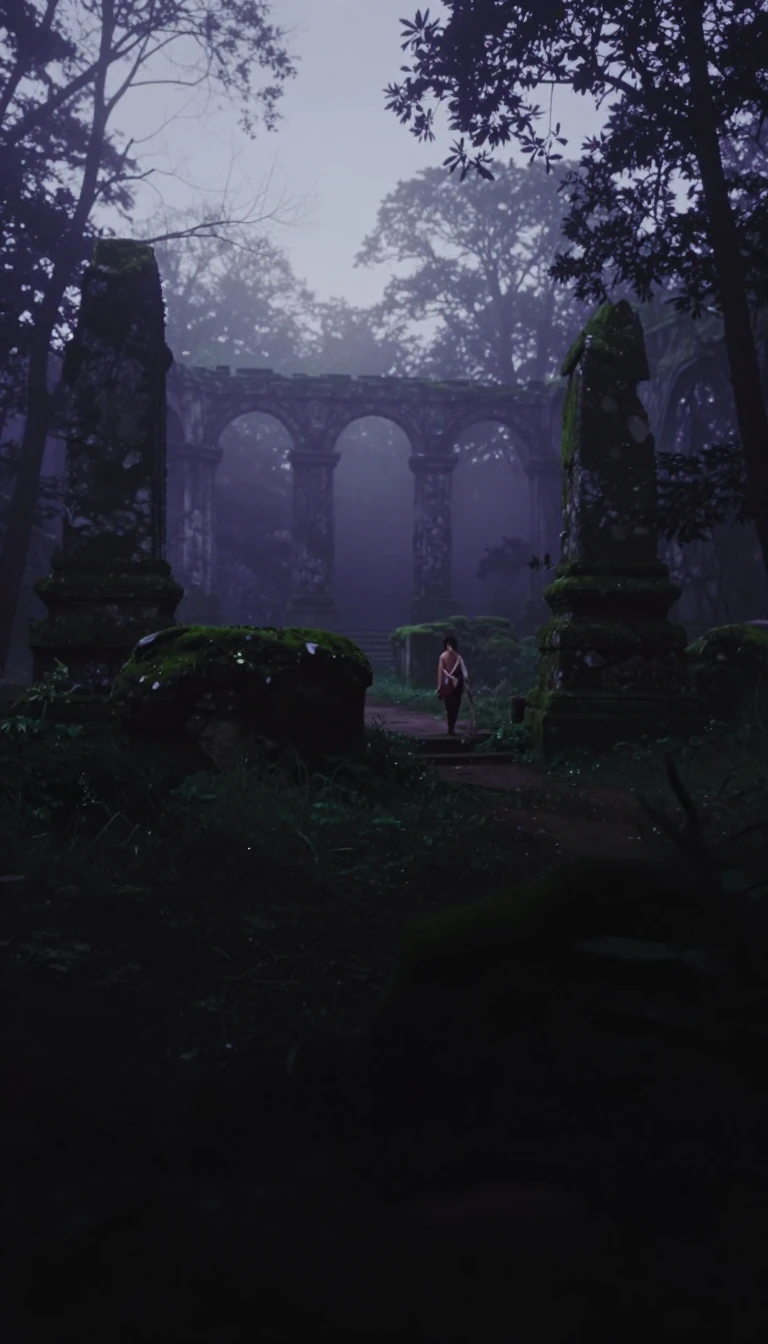
In short: Spanning over 5,000 square kilometers, the Río Plátano Biosphere Reserve protects vital Central American tropical forests and endangered wildlife. Despite its status as a UNESCO World Heritage site, the area faces severe threats from illegal logging, cattle grazing, and land clearing, leaving its future and unique biodiversity in a precarious state.
Established as a biosphere reserve in 1982, the Río Plátano region in Honduras encompasses a vast, rugged landscape of mountainous and lowland tropical rainforests. It serves as a critical component of the Mesoamerican Biological Corridor, hosting over 2,000 species of vascular plants and diverse fauna, including jaguars, Baird's tapirs, and scarlet macaws. Beyond its ecological significance, the reserve is home to more than 2,000 indigenous people from the Miskito, Pech, Garifuna, and ladino groups, whose traditional land rights are frequently challenged by incoming migrants and refugees.
The reserve's conservation history is marked by cycles of intervention and decline. While management efforts led to a temporary removal from the List of World Heritage in Danger in 2007, the site was returned to the list in 2011. UNESCO missions have documented persistent illegal activities, including drug smuggling, commercial hunting, and the clearing of land for cattle grazing within the protected core zone. These pressures are compounded by the lack of official park guards or active patrols, making the enforcement of existing logging moratoriums and land-use regulations exceptionally difficult.
Economic and environmental factors further complicate the reserve's survival. Poverty in Honduras and neighboring Nicaragua drives population growth within the area, leading to destructive agricultural practices like slash-and-burn. Additionally, the region is prone to severe tropical storms, which disrupt local infrastructure and development projects. Although ecotourism is viewed as a potential source of funding and awareness, the current lack of regulation has resulted in damage to the reserve's more than 200 archaeological sites. Ultimately, the reserve remains a fragile sanctuary where the struggle to balance human needs with environmental preservation continues to evolve.
Opens the Intellect+ feed with this card first. Swipe up for the next one.
Sources
- Summary by Intellect · source: Río Plátano Biosphere Reserve
- Also: Wikidata — Río Plátano Biosphere Reserve · CC0
To cite this card, link to https://intellectplus.co.uk/app/places-r-o-pl-tano-biosphere-reserve.
How we source, check and correct cards: Editorial standards.
General information, not professional advice. Spotted an error? Flag the card or see corrections and complaints.
Intellect Plus is a visual educational discovery platform for exploring fascinating facts and ideas. Brain Food, Not Brain Rot. What is Intellect Plus?
Related
More in World Heritage Sites · More in Countries & Cities · Latest · A–Z · All topics
